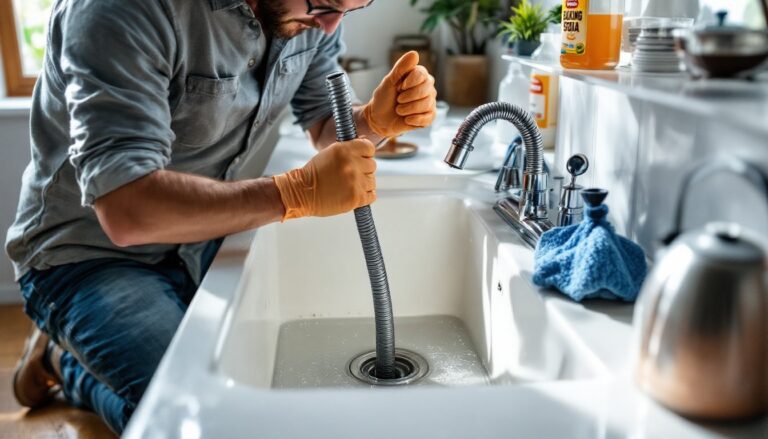
The right cleaning tools make all the difference between a quick tidy-up and a truly spotless home. Whether someone is tackling daily messes or preparing for a deep clean, having the proper equipment saves time and delivers better results. This guide covers everything from basic supplies to specialized gear, plus tips on selecting and maintaining cleaning tools for long-lasting performance. A well-stocked cleaning arsenal doesn’t require a massive investment, just smart choices based on actual needs.
Table of Contents
ToggleKey Takeaways
- Investing in quality cleaning tools saves money long-term and delivers better results than frequently replacing cheap alternatives.
- Essential cleaning tools include angled brooms, microfiber mops, color-coded microfiber cloths, reliable vacuums, and various scrub brushes.
- Specialized cleaning tools like steam cleaners, carpet machines, and pressure washers tackle deep cleaning tasks that basic supplies can’t handle.
- Match your cleaning tools to your specific surfaces and living situation—pet owners, families with children, and different floor types all have unique needs.
- Maintain cleaning tools by washing microfiber cloths after each use, replacing worn items promptly, and storing brooms and mops hanging rather than leaning.
Must-Have Basic Cleaning Tools
Every home needs a core set of cleaning tools that handle everyday tasks. These basics form the foundation of any effective cleaning routine.
Brooms and Dustpans
A quality broom remains essential for hard floors. Angled brooms reach corners better than straight-edge versions. Pair a broom with a sturdy dustpan that has a rubber lip, this design captures fine dust instead of pushing it around.
Mops for Every Floor Type
Flat mops with microfiber pads work well on hardwood, laminate, and tile. They use less water than traditional string mops, which protects wood surfaces. String mops still have their place for textured floors where scrubbing power matters. Keep at least one mop dedicated to each floor type in the home.
Microfiber Cloths
Microfiber cloths have replaced paper towels in many households. They grab dust and dirt effectively without chemical cleaners. Buy them in bulk, they’re machine washable and last for years. Different colors help prevent cross-contamination between bathrooms and kitchens.
Vacuum Cleaners
A reliable vacuum cleaner handles carpets, rugs, and upholstery. Upright vacuums offer strong suction for carpeted homes. Canister models provide more flexibility for stairs and furniture. Cordless stick vacuums work great for quick daily pickups.
Scrub Brushes and Sponges
Keep several scrub brushes in various sizes. A stiff-bristled brush tackles grout and tile, while soft brushes protect delicate surfaces. Dual-sided sponges with an abrasive layer handle baked-on messes in the kitchen.
Specialized Tools for Deep Cleaning
Basic cleaning tools handle routine maintenance, but deep cleaning requires specialized equipment. These tools address specific challenges that regular supplies can’t solve.
Steam Cleaners
Steam cleaners sanitize surfaces using heat alone, no chemicals needed. They kill bacteria, dust mites, and mold spores on contact. Handheld steamers work on grout, upholstery, and mattresses. Larger floor steamers refresh tile and sealed hardwood.
Carpet Cleaning Machines
Rental carpet cleaners or personal units extract embedded dirt that vacuums miss. They spray cleaning solution into carpet fibers, then suction it back with the loosened grime. Most households benefit from deep carpet cleaning two to four times per year.
Pressure Washers
Outdoor cleaning tools like pressure washers blast away years of grime from driveways, siding, and decks. Electric models suit most residential tasks. Gas-powered versions deliver more force for heavy-duty jobs.
Grout Brushes and Tile Scrapers
Narrow grout brushes reach between tiles where regular brushes fail. Electric grout cleaners spin at high speeds to remove stubborn stains. Plastic scrapers lift stuck-on residue from tile without scratching the surface.
Air Purifiers with HEPA Filters
These cleaning tools capture airborne particles that settle as dust. Running an air purifier reduces how often surfaces need dusting. HEPA filters trap 99.97% of particles as small as 0.3 microns.
How to Choose the Right Cleaning Tools
Selecting cleaning tools requires matching equipment to specific household needs. The wrong tools waste money and produce poor results.
Assess Your Surfaces
Different surfaces demand different cleaning tools. Hardwood floors need gentle, low-moisture cleaning. Tile can handle more aggressive scrubbing. Stainless steel appliances show streaks from the wrong cloths. Make a list of every surface type before shopping.
Consider Your Living Situation
Pet owners need cleaning tools that handle fur and dander, vacuums with pet-specific attachments and lint rollers become essential. Homes with children benefit from quick-access tools for fast cleanups. Small apartments don’t need the same equipment as large houses.
Quality Over Quantity
Cheap cleaning tools often cost more over time through frequent replacement. A $40 mop that lasts five years beats a $15 mop that falls apart in six months. Read reviews and choose established brands for items used daily.
Ergonomic Design Matters
Cleaning tools with comfortable grips reduce hand fatigue. Adjustable handles accommodate different heights. Lightweight vacuums make whole-house cleaning less exhausting. These details matter for anyone who cleans regularly.
Maintaining and Storing Your Cleaning Tools
Cleaning tools need care to perform well and last long. Dirty or damaged tools spread germs instead of removing them.
Clean Your Cleaning Tools
Wash microfiber cloths after every use, skip the fabric softener, which clogs the fibers. Rinse mop heads and hang them to dry completely. Empty vacuum canisters before they reach capacity, and replace filters according to manufacturer schedules. Soak scrub brushes in diluted bleach monthly.
Inspect for Wear
Frayed broom bristles push dirt around instead of sweeping it up. Worn mop pads leave streaks. Cracked vacuum hoses lose suction. Replace these items promptly, damaged cleaning tools create extra work.
Proper Storage Solutions
Hang brooms and mops rather than leaning them against walls. Standing on bristles bends them permanently. Store cleaning tools in a dedicated closet or cabinet to keep them organized and accessible. Wall-mounted organizers maximize vertical space.
Extend Tool Lifespan
Rinse tools immediately after use to prevent residue buildup. Store them in dry locations to discourage mold growth. Wind vacuum cords loosely, tight wrapping damages internal wiring over time.