Finding the best cleaning methods can transform a chaotic house into a calm, organized space. A clean home reduces stress, improves air quality, and creates a welcoming environment for family and guests. Yet many people struggle to keep up with household chores due to busy schedules and unclear priorities.
This guide breaks down proven cleaning strategies room by room. It covers essential supplies, practical techniques, and time-saving hacks that actually work. Whether someone cleans daily or tackles everything on weekends, these tips help create lasting results without wasting effort.
Table of Contents
ToggleKey Takeaways
- The best cleaning results start with quality tools like microfiber cloths, a good vacuum, and versatile solutions such as baking soda and white vinegar.
- Use the top-to-bottom cleaning method to prevent dust from falling on already-cleaned surfaces and eliminate double work.
- Apply the two-minute rule—if a task takes less than two minutes, do it immediately to prevent clutter buildup.
- Create a weekly cleaning schedule that assigns specific tasks to specific days so no single day feels overwhelming.
- Link cleaning habits to existing routines, like wiping the bathroom sink after brushing teeth, to build consistency without extra effort.
- Keep supplies visible and portable in caddies to encourage quick cleanups and reduce time spent gathering products.
Essential Cleaning Supplies You Need
The best cleaning results start with the right tools. Stocking up on quality supplies saves time and delivers better outcomes than cheap alternatives that fall apart after a few uses.
Basic Cleaning Tools
Every household needs these fundamental items:
- Microfiber cloths (they trap dust instead of spreading it)
- A quality vacuum with attachments
- Scrub brushes in various sizes
- A mop with washable pads
- A bucket and spray bottles
- Rubber gloves
Cleaning Solutions
For the best cleaning power, keep these products on hand:
- All-purpose cleaner for daily tasks
- Glass cleaner for mirrors and windows
- Disinfectant for high-touch surfaces
- Baking soda for scrubbing and deodorizing
- White vinegar for natural cleaning solutions
- Dish soap for grease removal
Microfiber cloths deserve special attention. They pick up dust, dirt, and bacteria more effectively than cotton rags. One damp microfiber cloth can clean most surfaces without chemical sprays.
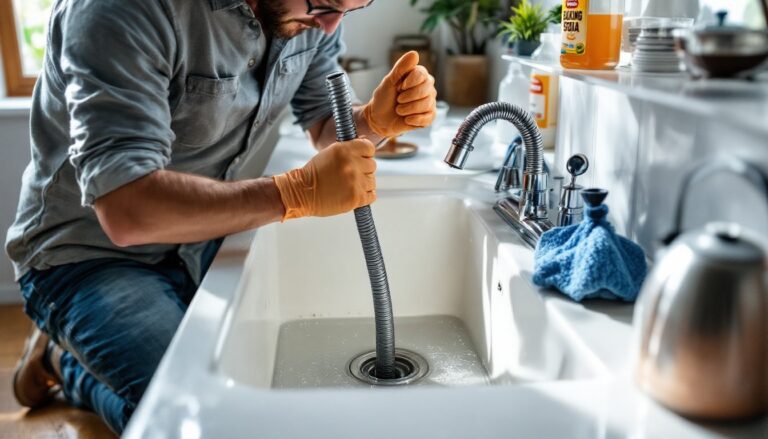
Baking soda and white vinegar handle many cleaning challenges cheaply. Mix them for drain cleaning or use baking soda alone as a gentle abrasive on sinks and tubs. These natural options work well for households with children or pets.
Room-by-Room Cleaning Strategies
Different rooms require different approaches. The best cleaning routine addresses each space’s unique challenges with targeted methods.
Kitchen Cleaning Essentials
Kitchens accumulate grease, food particles, and bacteria quickly. Daily maintenance prevents major buildup.
Daily Tasks:
- Wipe counters after meal prep
- Wash dishes or load the dishwasher
- Clean stovetop spills immediately
- Take out garbage before it overflows
Weekly Deep Cleaning:
- Scrub the sink with baking soda
- Clean appliance exteriors
- Wipe cabinet fronts
- Mop the floor
- Disinfect handles and light switches
The microwave collects food splatters fast. Heat a bowl of water with lemon slices for three minutes, then wipe the interior clean. Steam loosens stuck-on food without scrubbing.
Refrigerators need attention monthly. Remove expired items, wipe shelves with warm soapy water, and clean door seals where mold can grow.
Bathroom Deep Cleaning Tips
Bathrooms require the best cleaning products to fight soap scum, mildew, and bacteria. Regular attention keeps these spaces hygienic.
Toilet Cleaning:
Apply toilet bowl cleaner under the rim. Let it sit for five minutes while cleaning other surfaces. Scrub with a toilet brush and flush. Wipe the exterior, seat, and handle with disinfectant.
Shower and Tub:
Spray surfaces with bathroom cleaner after each use to prevent buildup. For weekly cleaning, apply cleaner, wait ten minutes, then scrub grout lines with a brush. Rinse thoroughly.
Sink and Mirror:
Wipe faucets daily to prevent water spots. Use glass cleaner on mirrors in an S-pattern to avoid streaks. Clean the drain monthly to prevent clogs and odors.
Ventilation matters in bathrooms. Run the exhaust fan during and after showers to reduce moisture and prevent mold growth.
Time-Saving Cleaning Hacks
The best cleaning doesn’t require hours of work. Smart shortcuts deliver impressive results in less time.
The Two-Minute Rule
If a task takes less than two minutes, do it immediately. Wiping a counter, putting away shoes, or hanging up a coat takes seconds. These small actions prevent clutter from accumulating.
Top-to-Bottom Cleaning
Always clean from ceiling to floor. Dust falls downward, so starting high means dirt doesn’t land on already-cleaned surfaces. This approach eliminates double work.
Room Reset Baskets
Keep a basket in each main room. Toss items that belong elsewhere into the basket. Once daily, take the basket around the house and return everything to its proper place.
Multitasking Methods
Let cleaning products work while doing other tasks. Spray the shower, then clean the toilet while the solution breaks down soap scum. Soak dirty pans while wiping counters.
Speed Cleaning Sessions
Set a timer for fifteen minutes and clean as fast as possible. This technique creates urgency and prevents perfectionism from slowing progress. Most rooms look dramatically better after one focused session.
Cleaning Caddies
Store supplies in a portable caddy. Carrying everything from room to room eliminates trips back to the closet. Keep duplicate supplies on each floor of multi-story homes.
How to Maintain a Consistent Cleaning Routine
The best cleaning habits stick because they fit into daily life naturally. Building a sustainable routine matters more than occasional deep cleans.
Create a Schedule
Assign specific tasks to specific days:
- Monday: Vacuum main areas
- Tuesday: Clean bathrooms
- Wednesday: Dust surfaces
- Thursday: Kitchen deep clean
- Friday: Laundry and linens
- Weekend: Catch-up or projects
This approach spreads work throughout the week. No single day feels overwhelming.
Make It Automatic
Link cleaning tasks to existing habits. Wipe the bathroom sink after brushing teeth. Sort mail immediately after bringing it inside. These connections build habits without requiring willpower.
Lower the Barrier
Keep supplies visible and accessible. A cleaning spray under every sink encourages quick wipe-downs. A vacuum stored in a main area gets used more than one hidden in a garage.
Involve the Household
Distribute age-appropriate tasks among family members. Children can put away toys, sort laundry, and dust low surfaces. Shared responsibility prevents burnout and teaches valuable skills.
Track Progress
A simple checklist provides satisfaction and accountability. Checking off completed tasks motivates continued effort. Apps or paper lists both work, choose whatever feels easiest.
Forgive Imperfection
Missing a day doesn’t ruin everything. The best cleaning routine allows flexibility. Life happens. Getting back on track matters more than maintaining a perfect streak.