Cleaning a home doesn’t have to feel like an endless chore. With the right approach, anyone can maintain a spotless living space without spending entire weekends scrubbing surfaces. This guide covers everything from essential supplies to room-by-room strategies that actually work. Whether someone struggles to keep up with daily messes or wants to deep clean more efficiently, these practical tips will transform their cleaning routine.
Table of Contents
ToggleKey Takeaways
- Regular cleaning improves health, reduces stress, and prevents pest infestations while extending the life of furniture and appliances.
- Stock a cleaning caddy with essentials like microfiber cloths, all-purpose cleaner, and baking soda to make cleaning faster and more efficient.
- Clean kitchens and bathrooms weekly using a top-to-bottom approach, and always ventilate bathrooms to prevent mold growth.
- Apply the two-minute rule—if a cleaning task takes less than two minutes, do it immediately to prevent bigger messes.
- Schedule daily cleaning sessions of 15-20 minutes and weekly deep cleaning of about an hour to make the routine feel manageable.
- Use liners in trash cans, ovens, and refrigerators to catch messes before they stick, making cleanup quick and effortless.
Why Regular Cleaning Matters
A clean home does more than look nice. It directly affects health, mood, and productivity. Dust, allergens, and bacteria build up quickly on surfaces. Regular cleaning removes these irritants before they cause problems.
Studies show that people living in cluttered, dirty environments experience higher stress levels. The brain struggles to focus when surrounded by mess. Cleaning provides a sense of control and accomplishment that boosts mental well-being.
Beyond psychology, there are practical benefits. Cleaning prevents pest infestations. Roaches, ants, and mice thrive in homes with food crumbs and spills. Regular cleaning eliminates their food sources.
Maintenance becomes easier too. Grease stains, soap scum, and mildew grow harder to remove over time. Tackling these issues weekly takes far less effort than monthly deep cleaning sessions. Consistent cleaning also extends the life of furniture, appliances, and flooring.
For families with children or pets, cleaning becomes even more critical. Kids touch everything. Pets track in dirt and shed constantly. A regular cleaning schedule keeps everyone healthier.
Essential Cleaning Supplies You Need
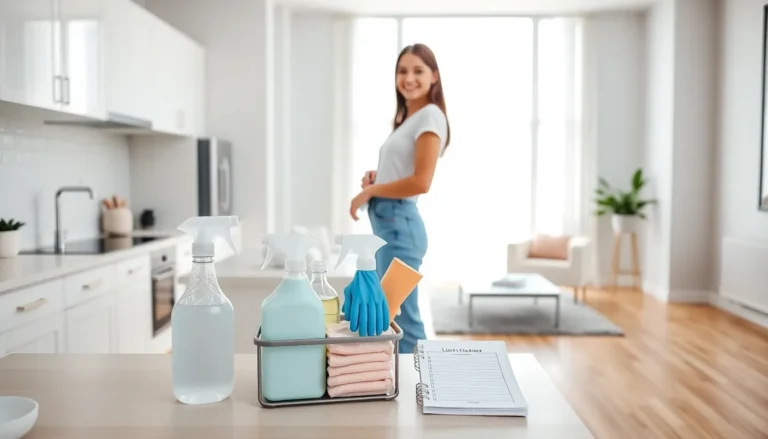
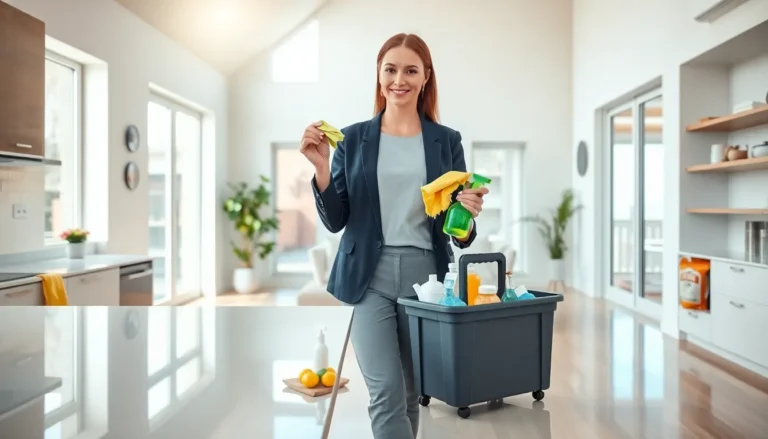
Having the right tools makes cleaning faster and more effective. Nobody wants to stop mid-task to hunt for supplies. A well-stocked cleaning caddy saves time and frustration.
Basic Supplies:
- All-purpose cleaner (or white vinegar diluted with water)
- Glass cleaner
- Disinfectant spray or wipes
- Dish soap
- Baking soda
- Microfiber cloths (at least 5-6)
- Scrub brushes in various sizes
- Sponges
- Rubber gloves
- Toilet bowl cleaner
- Mop and bucket
- Vacuum cleaner
- Broom and dustpan
Microfiber cloths deserve special mention. They trap dust and bacteria better than cotton rags. They also work dry for dusting or damp for wiping surfaces. Most can be washed hundreds of times before replacement.
For eco-conscious households, white vinegar and baking soda handle most cleaning tasks. Vinegar cuts grease and kills many bacteria. Baking soda scrubs without scratching surfaces. Together, they tackle stubborn stains.
Invest in quality where it counts. A good vacuum cleaner with HEPA filtration removes more allergens than cheap models. Durable scrub brushes last years. Cheap tools break quickly and make cleaning harder than necessary.
Room-by-Room Cleaning Strategies
Each room presents unique cleaning challenges. A systematic approach ensures nothing gets missed.
Kitchen and Bathroom
Kitchens and bathrooms require the most attention. Both collect moisture, grease, and bacteria. They need cleaning at least weekly, more often in busy households.
Kitchen Cleaning Steps:
- Clear counters completely
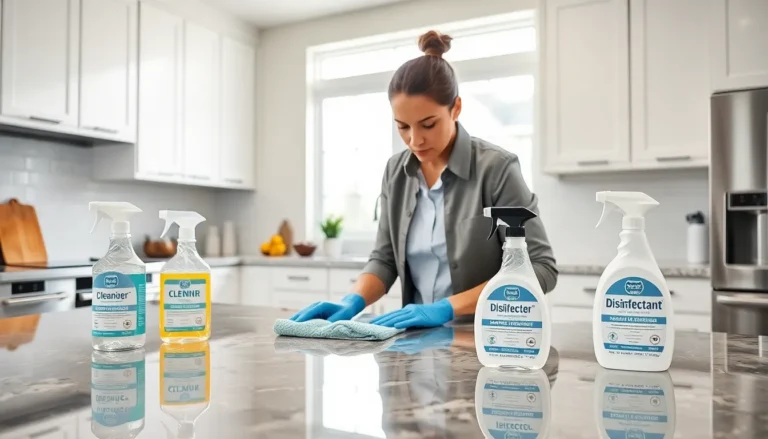
- Wipe down all surfaces with disinfectant
- Clean the stovetop and hood
- Scrub the sink
- Wipe appliance exteriors
- Sweep and mop the floor
Don’t forget the microwave interior. Splattered food becomes nearly impossible to remove after it hardens. A quick wipe after each use prevents buildup. For stuck-on messes, heat a bowl of water with lemon slices for two minutes. The steam loosens grime.
Bathroom Cleaning Steps:
- Spray surfaces with disinfectant and let sit
- Scrub the toilet inside and out
- Clean the shower and tub
- Wipe down the sink and counter
- Polish the mirror
- Mop the floor
Ventilation matters in bathrooms. Running the exhaust fan during and after showers prevents mold growth. Cleaning becomes much easier when mold never gets a foothold.
Living Spaces and Bedrooms
Living rooms and bedrooms collect dust, pet hair, and general clutter. Weekly cleaning keeps these spaces comfortable.
Start by decluttering. Put items in their proper places before actual cleaning begins. This habit alone transforms how a home looks and feels.
Dust from top to bottom. Start with ceiling fans and light fixtures. Work down to shelves, furniture, and finally floors. Dust falls, so this order makes sense. Use a damp microfiber cloth rather than a feather duster, which just spreads dust around.
Vacuum carpets and rugs weekly. For homes with pets, twice weekly works better. Move furniture periodically to vacuum underneath. Dust bunnies love hiding under couches and beds.
Wash bedding every one to two weeks. Sheets collect dead skin cells, oils, and dust mites. Fresh bedding improves sleep quality and reduces allergy symptoms.
Time-Saving Cleaning Hacks
Smart cleaning isn’t about working harder. It’s about working smarter. These hacks cut cleaning time significantly.
The Two-Minute Rule: If a task takes less than two minutes, do it immediately. Wiping a spill, hanging up a coat, or rinsing a dish takes seconds. These small actions prevent larger messes later.
Clean While You Wait: Cooking involves lots of waiting. While water boils or food bakes, wipe down counters or unload the dishwasher. Multitasking turns dead time into productive cleaning moments.
Keep Supplies in Every Bathroom: Stashing cleaning supplies under each bathroom sink enables quick touch-ups. People clean more often when supplies sit within reach.
Use Liners Everywhere: Trash can liners, oven liners, and refrigerator shelf liners make cleaning faster. They catch messes before they stick to surfaces. Simply replace the liner instead of scrubbing.
Spray and Walk Away: Apply bathroom cleaners before starting other tasks. Let products sit for 5-10 minutes while cleaning other areas. The chemicals do the hard work. Wiping becomes effortless.
Adopt the “One In, One Out” Rule: Every new item entering the home means one old item leaves. This prevents clutter accumulation. Less stuff means less to clean around.
Schedule It: Put cleaning tasks on a calendar. Daily tasks take 15-20 minutes. Weekly deep cleaning takes about an hour. When cleaning becomes routine, it feels less overwhelming.