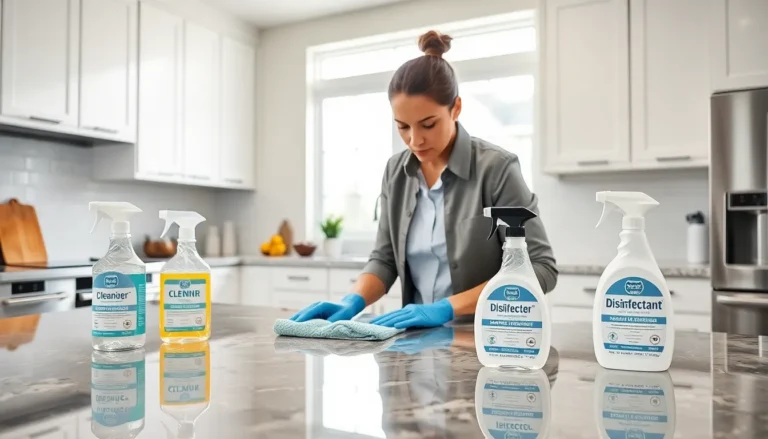
Cleaning examples offer practical guidance for tackling dirt, grime, and clutter throughout the home. Whether someone faces sticky stovetops, soap-scum-covered showers, or dusty living rooms, the right approach saves time and delivers better results. This guide presents specific cleaning examples for kitchens, bathrooms, bedrooms, and more. Readers will find actionable techniques they can apply today, no vague advice or generic tips. From daily maintenance to deep cleaning stubborn messes, these methods work on real surfaces in real homes.
Table of Contents
ToggleKey Takeaways
- Daily cleaning examples like wiping counters and washing dishes immediately prevent small messes from becoming major problems.
- Kitchen cleaning examples include soaking gas burner grates in hot soapy water and using baking soda paste for baked-on stovetop spills.
- A mixture of equal parts white vinegar and dish soap effectively removes soap scum from shower doors and tiles.
- Dust from top to bottom using microfiber cloths to trap particles instead of spreading them around the room.
- For deep cleaning stubborn oven messes, apply a baking soda paste overnight, then spray with vinegar and wipe clean.
- Running bathroom exhaust fans during and after showers prevents mold and mildew growth.
Daily Cleaning Tasks That Make a Difference
Consistent daily cleaning prevents small messes from becoming major problems. These cleaning examples take just minutes but create noticeable improvements.
Morning Routines
Wiping down bathroom counters after getting ready removes toothpaste splatters and water spots. This takes about 30 seconds. Making the bed immediately creates a tidier bedroom appearance and sets a productive tone.
Kitchen Habits
Washing dishes right after meals stops food from hardening on surfaces. A quick countertop wipe with a damp cloth catches crumbs before they spread. Cleaning examples like these prevent pest problems and reduce weekend workloads.
Evening Tasks
Doing a 10-minute pickup before bed keeps clutter under control. This includes returning items to their proper places, straightening throw pillows, and folding any blankets left on furniture. Empty trash cans when they reach capacity, not when they overflow.
These daily cleaning examples compound over time. Homes that follow consistent routines require less intensive cleaning sessions later.
Kitchen Cleaning Examples
Kitchens accumulate grease, food residue, and bacteria faster than other rooms. These cleaning examples target the most common kitchen challenges.
Stovetop and Range Hood
Gas burner grates benefit from soaking in hot water with dish soap for 15 minutes. Scrub with a non-abrasive brush, rinse, and dry completely. For electric stovetops, a paste of baking soda and water lifts baked-on spills. Apply the paste, wait 10 minutes, then wipe clean.
Range hood filters trap grease and reduce efficiency over time. Remove the filter monthly and soak it in hot water mixed with degreasing dish soap. Scrub gently and let it dry before reinstalling.
Refrigerator Maintenance
Remove all items and check expiration dates weekly. Wipe shelves with a solution of two tablespoons baking soda dissolved in one quart of warm water. This cleaning example eliminates odors without leaving chemical residues near food.
Sink and Garbage Disposal
Scrub stainless steel sinks with the grain using a soft sponge and dish soap. For garbage disposals, drop ice cubes and lemon peels down the drain while running cold water. Turn on the disposal for 30 seconds. The ice sharpens blades while lemon freshens the drain.
These kitchen cleaning examples keep the space sanitary and functional.
Bathroom Cleaning Techniques
Bathrooms require frequent attention due to moisture and personal care product buildup. These cleaning examples address common bathroom surfaces.
Toilet Cleaning
Apply toilet bowl cleaner under the rim and let it sit for five minutes. Scrub with a toilet brush, focusing on the waterline and under-rim area. Wipe the exterior, including the base and behind the toilet, with disinfecting wipes or spray.
Shower and Tub Surfaces
Soap scum responds well to a mixture of equal parts white vinegar and dish soap. Spray on shower doors and tiles, wait 10 minutes, then scrub with a non-scratch sponge. Rinse thoroughly with warm water.
For grout lines, apply a paste of hydrogen peroxide and baking soda. Let it sit for 15 minutes, then scrub with an old toothbrush. These cleaning examples restore grout to its original color.
Mirror and Glass
Spray glass cleaner or a 50/50 vinegar-water solution onto a microfiber cloth, not directly on the mirror. Wipe in an S-pattern from top to bottom. This technique prevents drips and streaks.
Preventing Mold and Mildew
Run the bathroom exhaust fan during showers and for 20 minutes afterward. Squeegee shower walls after each use. These simple cleaning examples reduce moisture and stop mold before it starts.
Living Space and Bedroom Cleaning Tips
Living rooms and bedrooms collect dust, allergens, and everyday clutter. These cleaning examples help maintain comfortable, healthy spaces.
Dusting Strategies
Dust from top to bottom so particles fall onto surfaces not yet cleaned. Use a microfiber cloth for furniture, it traps dust rather than spreading it. For ceiling fans, slip an old pillowcase over each blade and pull back slowly. Dust stays inside the pillowcase.
Upholstery Care
Vacuum sofas and chairs weekly using the upholstery attachment. Remove cushions and vacuum underneath where crumbs and debris collect. For fabric upholstery, sprinkle baking soda on surfaces, wait 15 minutes, then vacuum. This cleaning example removes odors without harsh chemicals.
Floor Cleaning Examples
Hardwood floors need sweeping or dust mopping before wet cleaning. Use a damp (not wet) mop with a pH-neutral cleaner made for wood. Excess water damages wood flooring.
Carpets benefit from vacuuming twice weekly in high-traffic areas. Move furniture occasionally to reach hidden sections. Consider professional carpet cleaning annually for deep dirt removal.
Bedroom-Specific Tasks
Wash bed linens weekly in hot water to eliminate dust mites. Flip or rotate mattresses every three months for even wear. Vacuum the mattress surface every few months to remove allergens and dead skin cells.
Deep Cleaning Examples for Stubborn Messes
Some messes require extra effort beyond routine cleaning. These cleaning examples tackle tough problems effectively.
Oven Cleaning
Create a paste using half a cup of baking soda and enough water to form a spreadable consistency. Coat the oven interior, avoiding heating elements. Let the paste sit overnight, at least 12 hours. Spray white vinegar over the dried paste. The fizzing reaction loosens baked-on grease. Wipe clean with damp cloths.
Carpet Stain Removal
Blot stains immediately, never rub, which spreads the mess. For fresh stains, apply cold water and blot with clean cloths. Club soda works well on wine and coffee stains. For older stains, try a mixture of one tablespoon dish soap, one tablespoon white vinegar, and two cups warm water. Apply with a cloth, blot, and rinse with cold water.
Hard Water Deposits
Showerheads clogged with mineral deposits need vinegar soaking. Fill a plastic bag with white vinegar, secure it around the showerhead with a rubber band, and leave overnight. Scrub remaining deposits with an old toothbrush the next morning.
Baseboards and Trim
Dust baseboards with a dryer sheet, the anti-static properties repel future dust. For scuff marks, a melamine foam eraser (like a Magic Eraser) removes marks without damaging paint.
These deep cleaning examples restore surfaces to like-new condition.