Cleaning for beginners doesn’t have to feel overwhelming. Everyone starts somewhere, and the truth is, keeping a tidy home comes down to a few basic habits and the right approach. This guide breaks down everything new cleaners need to know, from stocking up on supplies to building a routine that actually sticks. Whether someone just moved into their first apartment or simply wants to get better at maintaining their space, these practical tips will help transform any home into a clean, comfortable place to live.
Table of Contents
ToggleKey Takeaways
- Cleaning for beginners starts with a basic supply kit including microfiber cloths, all-purpose cleaner, white vinegar, and baking soda.
- Build a manageable routine by spreading tasks across the week—daily tidying takes just 10-15 minutes.
- Always clean from top to bottom to prevent dirt from falling onto already-cleaned surfaces.
- Let disinfectants sit for 3-10 minutes before wiping to actually kill germs effectively.
- Avoid burnout by rotating deep cleaning tasks monthly instead of tackling everything at once.
- Consistency beats intensity—small daily efforts prevent overwhelming messes from piling up.
Essential Cleaning Supplies You Need
Before tackling any cleaning task, having the right tools makes all the difference. Cleaning for beginners starts with building a basic supply kit that covers most household needs without very costly.
Must-Have Cleaning Tools:
- Microfiber cloths (at least 4-6)
- A good quality mop and bucket
- Vacuum cleaner or broom and dustpan
- Scrub brush
- Spray bottles
- Rubber gloves
- Toilet brush
Essential Cleaning Products:
- All-purpose cleaner
- Glass cleaner
- Disinfectant spray or wipes
- Dish soap
- Baking soda
- White vinegar
Microfiber cloths deserve special attention. They pick up dust and grime far better than paper towels, and they’re reusable. One cloth can handle dozens of cleaning sessions before needing replacement.
For those just starting out, skip the fancy specialty products. An all-purpose cleaner handles about 80% of cleaning tasks. White vinegar mixed with water works great on windows and mirrors. Baking soda tackles tough stains and odors.
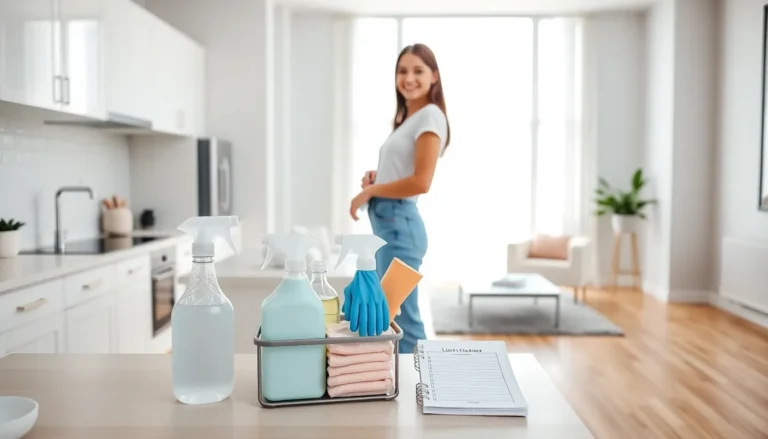
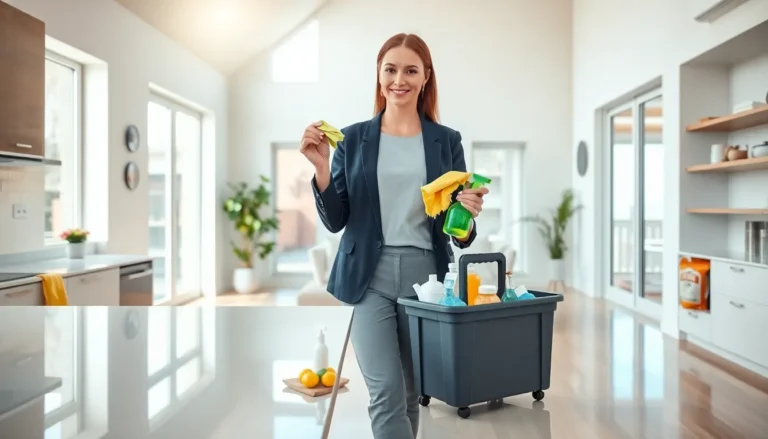
Store supplies in a portable caddy or bucket. This way, everything stays organized and ready to grab when it’s cleaning time. Nobody wants to hunt for supplies in three different closets.
How to Create a Manageable Cleaning Routine
The biggest challenge in cleaning for beginners isn’t knowing how to clean, it’s actually doing it consistently. A good routine removes the guesswork and prevents messes from piling up.
Daily Tasks (10-15 minutes):
- Make the bed
- Wipe kitchen counters after cooking
- Wash dishes or load the dishwasher
- Quick bathroom wipe-down
- Put items back in their places
Weekly Tasks:
- Vacuum or sweep all floors
- Mop hard floors
- Clean toilets and showers
- Dust surfaces
- Change bed linens
- Take out trash and recycling
Monthly Tasks:
- Clean inside the microwave and oven
- Wipe down cabinet fronts
- Wash windows
- Deep clean refrigerator
- Dust ceiling fans and light fixtures
The key? Don’t try to do everything at once. Spread weekly tasks across different days. Monday could be vacuuming day. Wednesday handles bathrooms. Saturday covers laundry and mopping.
Set a timer for 15 minutes each day and focus only on cleaning during that time. This approach works better than marathon weekend sessions that leave people exhausted and dreading the next cleaning day.
Consistency beats intensity every time. Small daily efforts prevent the overwhelming mess that makes cleaning feel impossible.
Room-by-Room Cleaning Basics
Each room has its own cleaning needs. Understanding these specifics helps beginners clean more efficiently and thoroughly.
Kitchen and Bathroom
Kitchens and bathrooms require the most frequent attention because they get dirty fastest. Both spaces deal with moisture, food residue, or bodily waste, prime conditions for bacteria growth.
Kitchen Cleaning Steps:
- Clear counters completely
- Wipe down all surfaces with disinfectant
- Clean stovetop and wipe appliance fronts
- Scrub the sink
- Sweep and mop the floor
- Empty the trash
Don’t forget the often-missed spots: cabinet handles, light switches, and the refrigerator handle. These high-touch areas collect germs quickly.
Bathroom Cleaning Steps:
- Spray toilet, sink, and shower with cleaner
- Let products sit for 5 minutes (this does half the work)
- Scrub toilet inside and out
- Wipe sink and counter
- Clean mirror
- Scrub shower or tub
- Mop floor
Always clean from top to bottom. Dust and dirt fall downward, so starting high means less re-cleaning.
Living Spaces and Bedrooms
These rooms are typically easier to maintain than kitchens and bathrooms. The main enemies here are dust, clutter, and dirt tracked in from outside.
Living Room Basics:
- Dust all surfaces including shelves and electronics
- Vacuum upholstered furniture
- Fluff and arrange pillows
- Vacuum or sweep floors
- Clean under couch cushions weekly
Bedroom Essentials:
- Change sheets weekly
- Dust nightstands and dressers
- Vacuum floors, including under the bed
- Organize closet regularly
- Open windows when possible for fresh air
Clutter is the enemy of a clean-looking room. Spend five minutes each day returning items to their proper places. A tidy space always looks cleaner, even before actual cleaning begins.
Common Cleaning Mistakes to Avoid
Even with good intentions, cleaning for beginners often goes wrong in predictable ways. Knowing these pitfalls helps people clean smarter from the start.
Mistake #1: Using Too Much Product
More cleaner doesn’t mean more clean. Excess product leaves residue that actually attracts more dirt. A few sprays of all-purpose cleaner does the job. If surfaces feel sticky after cleaning, that’s product buildup.
Mistake #2: Not Letting Cleaners Work
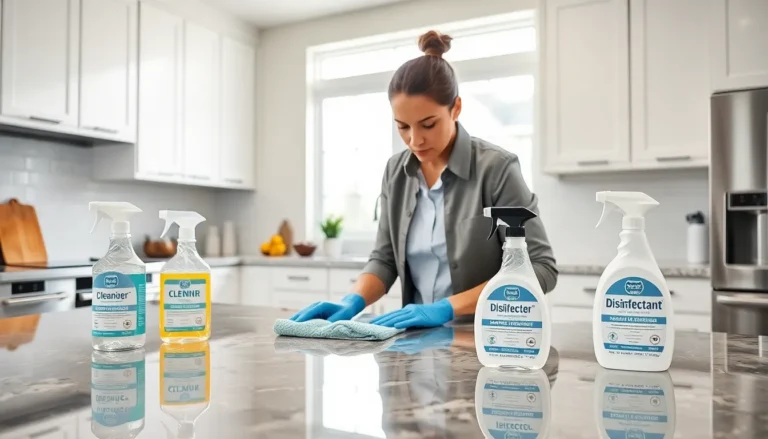
Disinfectants need contact time to kill germs. Spraying and immediately wiping achieves almost nothing. Read product labels, most require 3-10 minutes of wet contact time.
Mistake #3: Using Dirty Tools
A filthy mop just spreads grime around. Wash microfiber cloths after each use. Replace sponges every 2-4 weeks. Rinse mop heads thoroughly and let them dry completely between uses.
Mistake #4: Cleaning in the Wrong Order
Many beginners mop floors first, then dust, sending dirt right onto freshly cleaned floors. Always work top to bottom: dust first, then wipe surfaces, then vacuum, then mop.
Mistake #5: Ignoring High-Touch Surfaces
Doorknobs, light switches, remote controls, and phone screens harbor more germs than toilet seats. Wipe these spots regularly with disinfectant.
Mistake #6: Trying to Deep Clean Everything at Once
This leads to burnout fast. Rotate deep cleaning tasks throughout the month instead of attempting everything on one Saturday afternoon.