Cleaning strategies can transform a chaotic home into a manageable space, even with a packed schedule. Most households struggle with clutter, dust, and the never-ending laundry pile. The problem isn’t a lack of effort. It’s the absence of a system that fits real life.
A good cleaning strategy saves time, reduces stress, and keeps living spaces healthy. This guide breaks down proven cleaning strategies that work for busy families, couples, and individuals. Readers will learn specific methods, daily routines, and the tools that make cleaning faster and more effective.
Table of Contents
ToggleKey Takeaways
- Effective cleaning strategies break tasks into smaller, achievable chunks to keep homes consistently clean without marathon sessions.
- The zone cleaning method assigns specific areas to different days, limiting daily cleaning time to 20–45 minutes while improving thoroughness.
- Daily maintenance routines—like wiping counters and doing quick pickups—can reduce overall cleaning time by 30% or more.
- Choose a cleaning strategy based on household size, work schedule, personal preferences, and your home’s specific needs.
- Essential tools like microfiber cloths, a quality vacuum, and an all-purpose cleaner make any cleaning strategy faster and more effective.
- Store cleaning supplies in a central, accessible location to remove barriers and make it easier to stick to your routine.
Why Having a Cleaning Strategy Matters
A cleaning strategy is more than a to-do list. It’s a planned approach that assigns tasks, sets schedules, and prevents overwhelm. Without one, households often fall into a reactive pattern, cleaning only when things get out of control.
Here’s why cleaning strategies matter:
- Time savings: A structured plan eliminates guesswork. People spend less time deciding what to clean and more time actually cleaning.
- Reduced stress: Clutter and mess affect mental health. Studies show that disorganized spaces increase cortisol levels and anxiety. A cleaning strategy keeps chaos at bay.
- Better results: Random cleaning misses spots. A strategy ensures every area gets attention on a regular basis.
- Shared responsibility: In multi-person households, a strategy clarifies who does what. This prevents arguments and resentment.
Think of cleaning strategies as a roadmap. Without directions, people wander. With a clear path, they reach their destination faster.
Many busy households fail at cleaning because they aim for perfection. They wait until they have “enough time” for a deep clean. That time rarely comes. Effective cleaning strategies break tasks into smaller, achievable chunks. This approach keeps homes consistently clean without marathon sessions.
Top Cleaning Strategies for Every Home
Different cleaning strategies suit different lifestyles. Some people prefer tackling one room at a time. Others focus on specific tasks across the entire house. Below are two proven methods that work for most households.
The Zone Cleaning Method
Zone cleaning divides the home into sections or “zones.” Each zone gets a designated day for deep cleaning. For example:
- Monday: Kitchen and dining area
- Tuesday: Bathrooms
- Wednesday: Living room and entryway
- Thursday: Bedrooms
- Friday: Laundry and utility spaces
This strategy prevents burnout. Instead of cleaning the entire house in one exhausting session, people focus on one area per day. The daily time commitment stays manageable, usually 20 to 45 minutes.
Zone cleaning also improves thoroughness. When someone focuses on just the bathroom, they notice details like grout buildup or cabinet clutter. These details get overlooked during rushed whole-house cleaning sessions.
Daily Maintenance Routines
Daily maintenance keeps messes from piling up. These are quick tasks that take five to ten minutes but make a big difference. Common daily maintenance tasks include:
- Making beds immediately after waking
- Wiping kitchen counters after meals
- Loading the dishwasher instead of leaving dishes in the sink
- Sorting mail and tossing junk immediately
- Doing a quick pickup before bed, putting items back in their places
Daily maintenance works alongside deeper cleaning strategies. It keeps surfaces tidy between zone cleaning days. Many people find that consistent daily routines reduce their overall cleaning time by 30% or more.
The key to daily maintenance is consistency. It must become automatic, like brushing teeth. After two to three weeks of practice, these tasks feel natural rather than like extra work.
How to Choose the Right Strategy for Your Lifestyle
Not every cleaning strategy fits every household. A single professional with a studio apartment has different needs than a family of five in a suburban home. Choosing the right approach requires honest assessment.
Consider household size and composition. Larger families generate more mess. They need cleaning strategies that distribute tasks among members. Chore charts and rotating responsibilities work well here. Single individuals or couples might prefer simpler systems with fewer moving parts.
Factor in work schedules. Someone working from home can handle quick cleaning tasks during breaks. A person commuting long hours might batch cleaning on weekends. Shift workers need flexible strategies that don’t depend on specific days.
Assess personal preferences. Some people enjoy cleaning in short bursts. Others prefer longer sessions less frequently. Neither approach is wrong. The best cleaning strategies align with natural tendencies rather than fighting them.
Evaluate the home itself. Older homes with carpet require different cleaning strategies than modern spaces with hardwood floors. Homes with pets need more frequent vacuuming and lint removal. Consider these factors when building a routine.
Start with one strategy and test it for two weeks. If it causes stress or falls apart quickly, adjust. Cleaning strategies should reduce friction, not add to it. Most households need to experiment before finding their ideal system.
Essential Tools and Supplies for Efficient Cleaning
Even the best cleaning strategies fail without proper tools. Quality supplies save time and deliver better results. Here’s what every household should have:
Microfiber cloths: These outperform paper towels and traditional rags. Microfiber traps dust and dirt instead of pushing it around. They’re reusable and work on most surfaces.
A quality vacuum: Invest in a vacuum that suits the home’s flooring. Cordless models offer convenience for quick pickups. Bagged vacuums often provide stronger suction for deep cleaning.
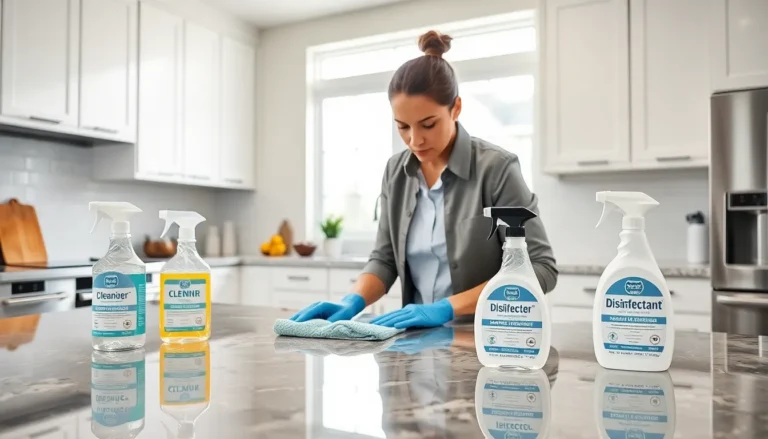
All-purpose cleaner: One versatile cleaner handles most surfaces. This reduces the clutter of multiple specialty products. Look for formulas that work on counters, appliances, and glass.
Toilet brush and bathroom cleaner: Bathrooms need dedicated tools. A sturdy toilet brush and effective bowl cleaner make this unpleasant task faster.
Mop system: Spray mops with washable pads combine convenience with effectiveness. They work well for hard floors and require minimal setup.
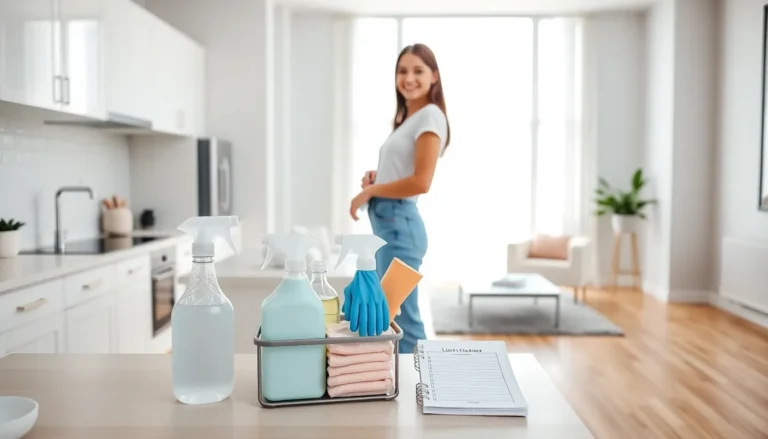
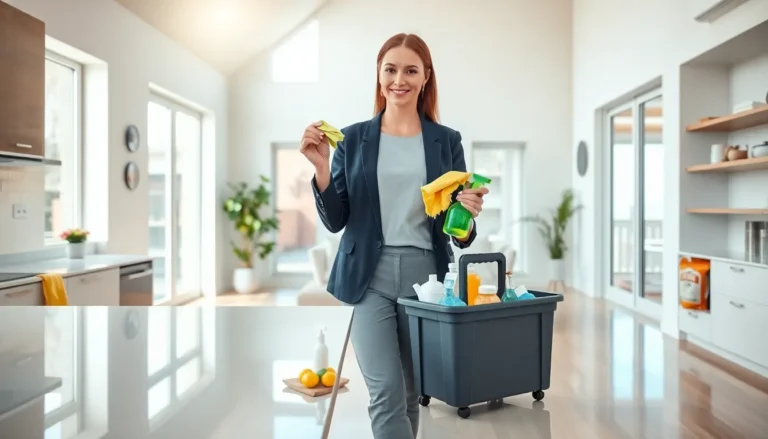
Caddy or cleaning bucket: Carrying supplies from room to room wastes time. A portable caddy keeps everything together and speeds up the process.
Rubber gloves: Protecting hands from chemicals and grime makes cleaning more comfortable. People who dislike the physical sensation of cleaning often find gloves help them stick to their strategies.
Organize supplies in a central location. When tools are accessible, people are more likely to use them. Cluttered or scattered supplies create barriers to starting, and cleaning strategies only work when people actually follow them.