Good cleaning techniques make the difference between a home that looks clean and one that actually is clean. Many people spend hours scrubbing surfaces without seeing real results. The problem isn’t effort, it’s method.
This guide covers proven cleaning techniques that deliver visible results. From everyday surface cleaning to deep cleaning strategies, these approaches work for any home. Readers will also find eco-friendly options and time-saving tips that cut cleaning time in half.
Table of Contents
ToggleKey Takeaways
- Effective cleaning techniques focus on method over effort—always clean top to bottom to prevent double work.
- Microfiber cloths outperform cotton rags by trapping 99% of bacteria on hard surfaces instead of spreading dust around.
- Deep cleaning techniques should be applied every one to three months, targeting hidden dirt in kitchens, bathrooms, and living areas.
- Natural cleaners like white vinegar, baking soda, and lemon juice handle most household cleaning tasks without harsh chemicals.
- Time-saving cleaning techniques include the 15-minute daily reset and batching similar tasks to cut cleaning time in half.
- Match your cleaner to the surface—wood, glass, stainless steel, and stone each require different approaches for best results.
Surface Cleaning Methods That Work
Surface cleaning techniques form the foundation of home maintenance. Most dirt, dust, and grime sit on visible surfaces. Cleaning these areas correctly prevents buildup and keeps spaces looking fresh.
The Top-Down Rule
Always clean from top to bottom. Dust and debris fall downward during cleaning. Starting with ceiling fans, light fixtures, and high shelves means dirt lands on uncleaned surfaces below. This simple cleaning technique prevents double work.
Microfiber Makes a Difference
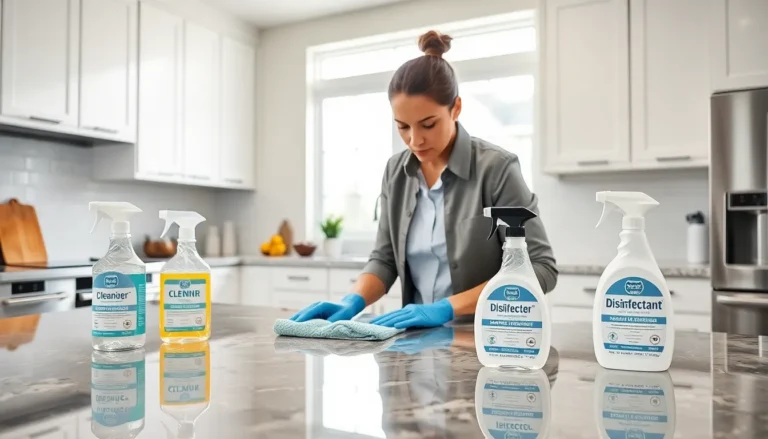
Microfiber cloths trap particles instead of pushing them around. Cotton rags and paper towels often spread dust across surfaces. A damp microfiber cloth picks up 99% of bacteria on hard surfaces. They’re reusable, too, just toss them in the washing machine.
Match the Cleaner to the Surface
Different materials need different cleaning techniques:
- Glass: Use a vinegar-water solution or commercial glass cleaner. Wipe in a Z-pattern to avoid streaks.
- Wood: Damp cloth only. Excess water damages wood finishes.
- Stainless steel: Wipe with the grain using a specialized cleaner or dish soap solution.
- Countertops: Mild soap works for most materials. Granite and marble need pH-neutral cleaners.
The Two-Cloth Method
Professional cleaners use two cloths, one wet for cleaning, one dry for buffing. This technique removes residue and prevents water spots on mirrors, faucets, and appliances.
Deep Cleaning Strategies for Every Room
Regular surface cleaning handles daily messes. Deep cleaning techniques tackle the hidden dirt that builds up over weeks and months. Most homes benefit from a deep clean every one to three months.
Kitchen Deep Cleaning Techniques
The kitchen collects grease, food particles, and bacteria faster than any other room. Focus on these areas:
- Clean inside the oven with a baking soda paste. Let it sit overnight for best results.
- Pull out the refrigerator and clean behind it. Dust on condenser coils makes fridges work harder.
- Sanitize garbage disposals by running ice cubes and lemon peels through them.
- Degrease range hood filters by soaking them in hot water with dish soap.
Bathroom Deep Cleaning Techniques
Moisture creates perfect conditions for mold and mildew. Deep cleaning techniques for bathrooms should address:
- Grout lines: Apply a paste of baking soda and hydrogen peroxide. Scrub with an old toothbrush after 10 minutes.
- Showerheads: Remove mineral buildup by soaking the head in a bag of white vinegar overnight.
- Toilet base: The area where the toilet meets the floor often gets overlooked. A disinfecting cleaner and small brush handle this spot.
Bedroom and Living Area Deep Cleaning
These rooms collect dust, allergens, and dead skin cells. Effective cleaning techniques include:
- Flip and rotate mattresses seasonally.
- Vacuum upholstered furniture using the upholstery attachment.
- Clean under heavy furniture at least twice yearly.
- Wash pillows and comforters according to care labels.
Eco-Friendly and Natural Cleaning Approaches
Many effective cleaning techniques skip harsh chemicals entirely. Natural alternatives cost less and reduce exposure to toxins. They work surprisingly well for most household tasks.
The Big Three Natural Cleaners
- White vinegar: Cuts grease, kills most bacteria, and removes mineral deposits. Mix equal parts water and vinegar for an all-purpose spray.
- Baking soda: Works as a gentle abrasive and deodorizer. It absorbs odors in fridges and freshens carpets.
- Lemon juice: Natural bleaching agent and grease cutter. The acidity breaks down soap scum and hard water stains.
DIY Cleaning Technique Recipes
- All-purpose cleaner: 1 cup water, 1 cup white vinegar, 10 drops essential oil for scent.
- Soft scrub: Mix baking soda with enough dish soap to form a paste.
- Glass cleaner: 2 cups water, ½ cup white vinegar, ¼ cup rubbing alcohol.
When Natural Cleaning Techniques Fall Short
Natural cleaners handle most jobs. But, some situations require stronger products. Mold remediation, sanitizing after illness, and cleaning up bodily fluids often need commercial disinfectants. Balance eco-friendly cleaning techniques with practical safety needs.
Time-Saving Tips for Efficient Cleaning
Efficient cleaning techniques save hours each week. The goal isn’t to clean more, it’s to clean smarter.
Clean as You Go
This single habit prevents messes from piling up. Wipe counters after cooking. Put items away immediately. Spend 10 minutes tidying before bed. Small actions prevent marathon cleaning sessions.
Use the Right Tools
Poor tools waste time. Invest in these essentials:
- A quality vacuum with multiple attachments
- Spray bottles for homemade solutions
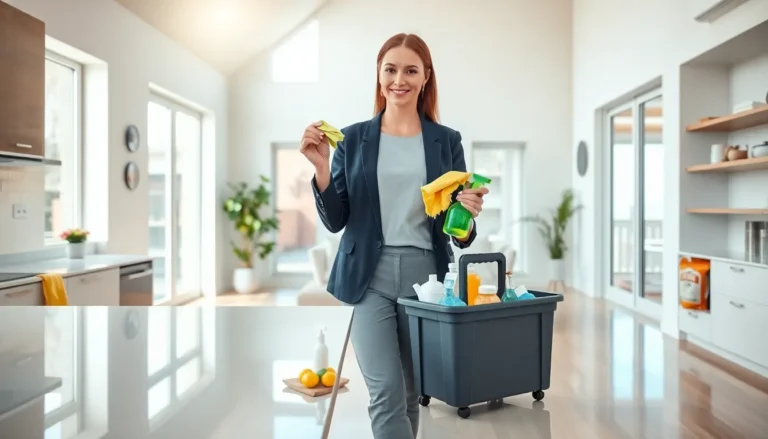
- A caddy to carry supplies room to room
- Extendable dusters for high areas
The Room-by-Room System
Complete one room before moving to the next. Bouncing between rooms breaks focus and wastes time walking back and forth. Set a timer for each space to maintain momentum.
Batch Similar Tasks
Grouping similar cleaning techniques improves efficiency:
- Dust all rooms first, then vacuum everything.
- Clean all bathrooms in one session while already in “bathroom mode.”
- Do all laundry on designated days rather than random loads.
The 15-Minute Daily Reset
A quick daily cleanup prevents weekend cleaning marathons. Spend 15 minutes each evening on high-traffic areas. Load the dishwasher, wipe kitchen surfaces, and straighten living spaces. This technique keeps homes consistently presentable.