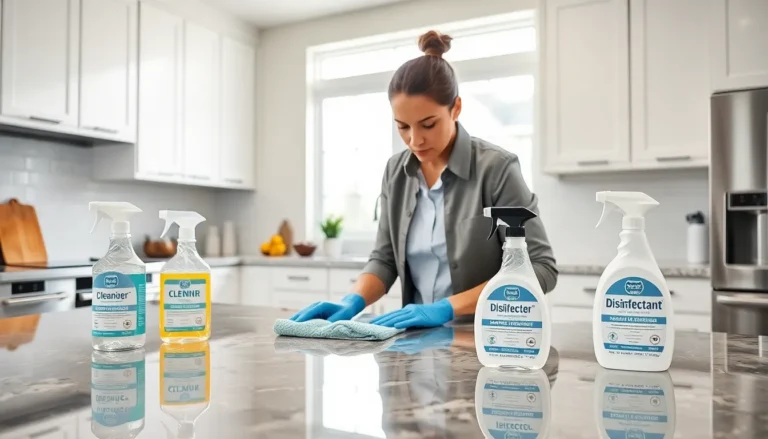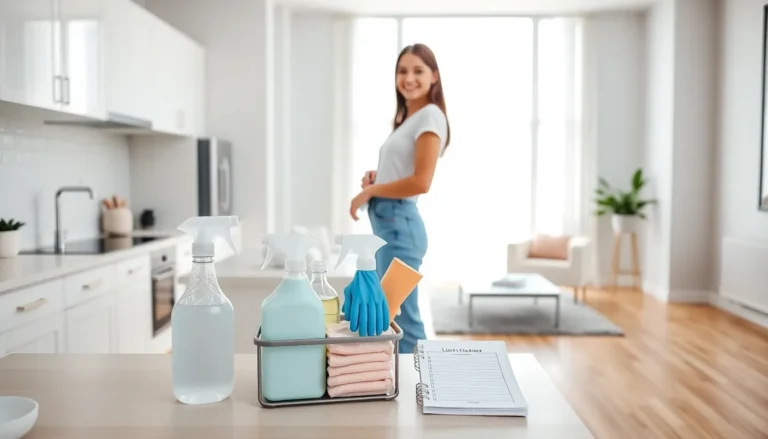
Cleaning tips can transform a chaotic house into a peaceful retreat. A clean home reduces stress, improves air quality, and creates a space people actually want to spend time in. Yet many homeowners struggle to maintain consistent cleanliness without spending entire weekends scrubbing surfaces.
The good news? Effective cleaning doesn’t require hours of labor. It requires the right approach. This guide covers practical cleaning tips that work for busy schedules. From choosing supplies to building routines, these strategies help anyone achieve a spotless home with less effort.
Table of Contents
ToggleKey Takeaways
- Stock each floor of your home with essential cleaning supplies to save time and maintain consistency.
- Apply the “top to bottom” rule when cleaning—always start from ceiling height and work downward to avoid re-cleaning surfaces.
- Use the two-minute rule: tackle small cleaning tasks immediately to prevent messes from piling up.
- Create a daily, weekly, and monthly cleaning schedule and attach tasks to existing routines to build lasting habits.
- Let cleaning products sit and work while you handle other tasks to maximize efficiency.
- Divide cleaning responsibilities among family members to share the workload and teach valuable life skills.
Start With the Right Supplies
Good cleaning tips always begin with proper supplies. The right tools make every task faster and more effective. The wrong ones waste time and leave surfaces looking worse than before.
Every home needs these basics:
- Microfiber cloths – These trap dust and dirt instead of spreading it around. They work on almost any surface without scratching.
- A quality vacuum – Look for one with strong suction and attachments for corners, upholstery, and hard floors.
- Multi-surface cleaner – One versatile spray handles counters, appliances, and most hard surfaces.
- Glass cleaner – For streak-free mirrors and windows.
- Toilet brush and bowl cleaner – Dedicated bathroom tools prevent cross-contamination.
- Mop or steam cleaner – For hard floors that need more than vacuuming.
- Rubber gloves – Protect hands from harsh chemicals and hot water.
Here’s a tip many people miss: buy duplicates for each floor of the house. Carrying supplies up and down stairs wastes time. A small caddy with basics on each level keeps cleaning supplies within reach.
Quality matters more than quantity. A cheap mop that falls apart after two uses costs more in the long run than a durable one. Invest in tools that last, and cleaning becomes less of a chore.
One more thing, check expiration dates on cleaning products. Yes, they expire. Old products lose effectiveness and can leave residue instead of removing it.
Room-by-Room Cleaning Strategies
Different rooms need different cleaning tips. A one-size-fits-all approach leaves some areas sparkling and others neglected. These room-specific strategies target the problems that matter most.
Kitchen
The kitchen collects grease, food particles, and bacteria faster than any other room. Daily attention prevents buildup that becomes difficult to remove.
Start with dishes. Dirty dishes attract pests and create odors. Wash them immediately after meals or load the dishwasher right away. Wipe counters after every food preparation session.
Appliances need weekly attention. Clean the microwave by heating a bowl of water with lemon juice for three minutes. The steam loosens stuck-on food. Wipe the stovetop after it cools each evening.
The refrigerator deserves a monthly deep clean. Remove everything, toss expired items, and wipe shelves with a baking soda solution. This prevents odors and keeps food fresh longer.
Don’t forget cabinet fronts and handles. These spots collect fingerprints and grease that spread bacteria. A quick wipe with multi-surface cleaner keeps them sanitary.
Bathroom
Bathrooms breed mold and mildew without regular cleaning tips applied consistently. Moisture creates the perfect environment for growth.
Ventilation helps. Run the exhaust fan during showers and for 30 minutes after. Open windows when possible. This simple step reduces mold growth significantly.
Clean the toilet twice weekly at minimum. Spray the bowl, let the cleaner sit for five minutes, then scrub. Don’t skip the exterior, the base and behind the bowl collect dust and splashes.
Shower doors and curtains develop soap scum quickly. A squeegee after each shower prevents most buildup. For existing scum, a paste of baking soda and dish soap cuts through it without harsh chemicals.
Sinks and faucets need daily wiping to prevent toothpaste spots and water stains. Chrome fixtures stay shiny with a dry microfiber cloth after each use.
Time-Saving Cleaning Hacks
Smart cleaning tips save hours each week. These hacks come from professional cleaners who get paid to work efficiently.
The “top to bottom” rule – Always clean from ceiling to floor. Dust falls downward. Cleaning floors first means cleaning them twice when debris drops from higher surfaces.
The two-minute rule – If a task takes less than two minutes, do it immediately. Wiping a spill, putting away shoes, hanging a coat, small actions prevent messes from growing.
Multitask with cleaning products – Spray bathroom tiles before cleaning the sink. Let products sit and work while handling other tasks. Return to wipe surfaces that practically clean themselves.
Use basket systems – Place a basket in each room for items that belong elsewhere. Once weekly, carry baskets room to room returning everything at once.
Clean while waiting – Microwave running? Wipe the counter. Coffee brewing? Unload the dishwasher. These stolen moments add up to significant cleaning time.
Lint rollers beyond laundry – They remove pet hair from furniture, dust from lampshades, and crumbs from upholstery faster than vacuuming.
Here’s a game-changer: set a timer for 15 minutes. Focus on one area with intensity until the timer stops. Most people accomplish more in focused bursts than in hour-long sessions with distractions.
Creating a Consistent Cleaning Schedule
The best cleaning tips fail without consistency. A schedule turns good intentions into habits that maintain a spotless home automatically.
Daily tasks (10-15 minutes total):
- Make beds
- Wipe kitchen counters
- Do dishes or run dishwasher
- Quick bathroom wipe-down
- Pick up clutter before bed
Weekly tasks (assign one per day):
- Monday: Vacuum all floors
- Tuesday: Clean bathrooms thoroughly
- Wednesday: Dust surfaces and furniture
- Thursday: Mop hard floors
- Friday: Change bed linens
- Weekend: One deep-clean project
Monthly tasks:
- Clean inside refrigerator
- Wash windows
- Dust ceiling fans and light fixtures
- Clean under furniture
- Wipe baseboards
The key? Attach cleaning tasks to existing routines. Wipe the bathroom sink right after brushing teeth. Run the dishwasher before bed every night. These connections build habits that feel automatic.
Families should divide responsibilities. Even young children can handle age-appropriate tasks. Shared duties prevent resentment and teach valuable life skills.
Write the schedule down. Post it where everyone sees it. Apps work too, many offer reminders and let family members check off completed tasks.
Flexibility matters. Life happens. A missed day doesn’t mean failure. Just pick up where the schedule left off without guilt.