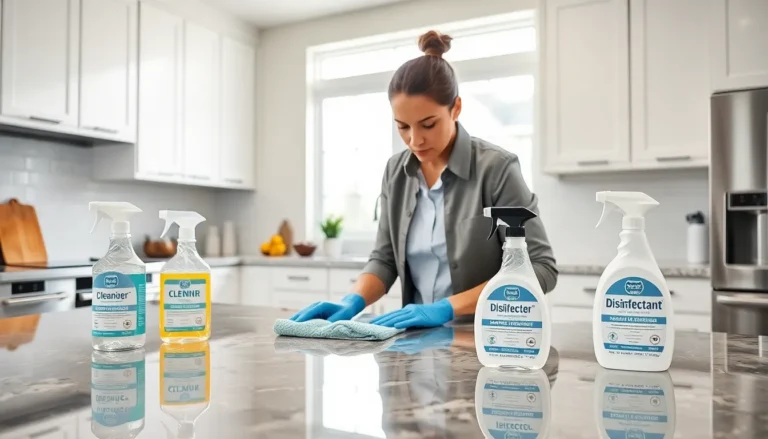
Cleaning vs. disinfecting, these terms often get tossed around interchangeably, but they serve very different purposes. One removes visible dirt and grime, while the other kills microscopic germs that can make people sick. Understanding the distinction matters for maintaining a healthy home, office, or commercial space.
Many people assume a quick wipe-down with a wet cloth counts as disinfecting. It doesn’t. Others spray disinfectant on visibly dirty surfaces and wonder why illness keeps spreading. The truth is, effective hygiene requires knowing when to clean, when to disinfect, and when to do both. This guide breaks down the differences between cleaning vs. disinfecting and explains how to use each method correctly.
Table of Contents
ToggleKey Takeaways
- Cleaning removes visible dirt and grime, while disinfecting kills germs—both serve different purposes in maintaining hygiene.
- Always clean surfaces before disinfecting, as dirt creates a barrier that prevents disinfectants from reaching germs.
- Contact time is critical: disinfectants need 1-10 minutes to work, so avoid the spray-and-wipe habit.
- High-touch surfaces like doorknobs, light switches, and phones require regular disinfection, especially during illness.
- When comparing cleaning vs. disinfecting, assess the risk—reserve disinfection for high-risk situations and use basic cleaning for everyday maintenance.
- Avoid mixing chemicals and over-disinfecting, as both can create health hazards and contribute to antimicrobial resistance.
What Is Cleaning?
Cleaning refers to the physical removal of dirt, dust, crumbs, and other visible debris from surfaces. It typically involves water, soap, or a general-purpose cleaner and some form of scrubbing or wiping action.
The primary goal of cleaning is to make surfaces look and feel tidy. A clean countertop has no food residue. A clean floor shows no visible dust bunnies. Cleaning removes the gunk people can actually see.
But here’s the catch: cleaning doesn’t kill germs. Soap and water can wash away some bacteria and viruses, but they don’t destroy pathogens on contact. Think of cleaning as the first step in any good hygiene routine, it clears the way for more targeted germ-fighting later.
Common cleaning tasks include:
- Wiping down kitchen counters after meal prep
- Sweeping or vacuuming floors
- Washing dishes with dish soap
- Dusting shelves and furniture
- Mopping bathroom tiles
Cleaning should happen daily in high-traffic areas. It keeps spaces presentable and removes the organic matter that germs love to hide in.
What Is Disinfecting?
Disinfecting kills germs. That’s the simple explanation. Disinfectants are chemical agents specifically designed to destroy bacteria, viruses, and fungi on hard surfaces.
The EPA regulates disinfectant products in the United States. Products must meet specific standards before manufacturers can claim germ-killing abilities on their labels. Common active ingredients in disinfectants include quaternary ammonium compounds, hydrogen peroxide, and sodium hypochlorite (bleach).
Disinfecting does not remove dirt. This is a critical point many people miss. Spraying disinfectant on a grimy surface won’t work as intended. The organic material, food particles, grease, dust, creates a barrier that prevents the disinfectant from reaching the germs underneath.
How disinfecting works:
- Apply the disinfectant to a pre-cleaned surface
- Allow proper contact time (usually 1-10 minutes, depending on the product)
- Wipe or let air dry according to label instructions
Contact time matters. Most people spray and immediately wipe. That approach doesn’t give the chemicals enough time to kill pathogens. Always read product labels for specific dwell time requirements.
Disinfecting proves essential during cold and flu season, after someone in the household has been ill, or in spaces where food gets prepared.
When to Clean vs. When to Disinfect
Knowing when to clean vs. when to disinfect saves time and ensures proper hygiene. Not every situation requires disinfection, and not every mess needs just a quick wipe.
When Cleaning Alone Works
Regular maintenance cleaning handles most everyday situations:
- Low-touch surfaces: Walls, windows, and decorative items rarely need disinfection. Standard cleaning keeps them looking fresh.
- After light use: A coffee table that held a magazine doesn’t need chemical treatment.
- General tidying: Dusty bookshelves and cluttered desks benefit from cleaning rather than disinfecting.
When Disinfecting Becomes Necessary
Certain situations call for germ-killing power:
- High-touch surfaces: Doorknobs, light switches, remote controls, and phone screens harbor significant germ populations. These need regular disinfection.
- After illness: When someone in the home has been sick, disinfect bathrooms, kitchen surfaces, and shared items.
- Food preparation areas: Cutting boards and counters used for raw meat require disinfection to prevent foodborne illness.
- Shared spaces: Office break rooms, gym equipment, and public restrooms benefit from frequent disinfection.
The cleaning vs. disinfecting decision often comes down to risk assessment. Higher risk situations demand disinfection. Lower risk scenarios need only basic cleaning.
Common Mistakes to Avoid
Even well-intentioned people make errors that reduce the effectiveness of their cleaning vs. disinfecting efforts.
Skipping the cleaning step before disinfecting. Disinfectants can’t penetrate layers of dirt. Always clean surfaces first, then apply disinfectant to the clean surface.
Ignoring contact time. That spray-and-wipe habit undermines the whole process. Disinfectants need time to work, sometimes several minutes. Read the label. Set a timer if needed.
Using the wrong products. Not all cleaners are disinfectants. Multi-surface sprays might clean beautifully but kill zero germs. Check for EPA registration numbers on products claimed as disinfectants.
Mixing chemicals. Combining bleach with ammonia-based cleaners creates toxic fumes. Never mix cleaning products unless the manufacturer specifically approves the combination.
Over-disinfecting. Disinfecting everything constantly isn’t necessary, or healthy. Overuse of disinfectants can contribute to antimicrobial resistance and irritate respiratory systems. Reserve disinfection for appropriate situations.
Forgetting personal protective equipment. Strong disinfectants can irritate skin and eyes. Gloves and adequate ventilation make the process safer.
How to Combine Both for Best Results
The most effective hygiene strategy uses cleaning and disinfecting together in the right sequence.
Step 1: Remove loose debris. Sweep, vacuum, or wipe away visible dirt and dust.
Step 2: Clean the surface. Use soap and water or an appropriate cleaner to remove grease, grime, and organic matter. Rinse if necessary.
Step 3: Apply disinfectant. Spray or wipe the disinfectant onto the now-clean surface. Cover the entire area.
Step 4: Wait. Let the disinfectant sit for the required contact time. Don’t rush this step.
Step 5: Final wipe (if needed). Some disinfectants require rinsing or wiping after application, especially on food-contact surfaces.
This cleaning vs. disinfecting approach works particularly well in kitchens, bathrooms, and any area exposed to illness.
For daily maintenance, focus cleaning efforts on the surfaces people touch most. Reserve full disinfection for weekly deep cleans or after specific contamination events. This balanced approach keeps spaces hygienic without excessive chemical exposure.
Two-in-one products that claim to clean and disinfect exist, but they work best on lightly soiled surfaces. Heavily dirty areas still benefit from the two-step process.