Learning how to cleaning properly saves time, reduces stress, and keeps living spaces healthy. Many people struggle with cleaning because they lack a clear system or the right tools. This guide covers essential supplies, room-specific strategies, time-saving hacks, and scheduling tips. Readers will discover practical techniques that transform cleaning from a dreaded chore into a manageable routine. Whether someone cleans daily or weekly, these methods work for any lifestyle.
Table of Contents
ToggleKey Takeaways
- Stock essential supplies like microfiber cloths, all-purpose cleaner, and a quality vacuum in a portable caddy for efficient room-to-room cleaning.
- Learn how to clean each room strategically—kitchens need daily counter wipes, bathrooms benefit from daily shower sprays to prevent buildup.
- Use time-saving hacks like cleaning top to bottom, setting timers, and letting products soak to cut your cleaning time significantly.
- Create a realistic cleaning schedule with daily 5-10 minute tasks, weekly deep cleans, and monthly attention to appliances and windows.
- Clean as you go by wiping spills immediately and putting items away to prevent small messes from becoming major projects.
- Flexibility is key—aim for progress over perfection and adjust your schedule to fit your lifestyle.
Essential Cleaning Supplies You Need
The right cleaning supplies make every task easier and faster. Before diving into how to cleaning each room, gathering these basic items ensures success.
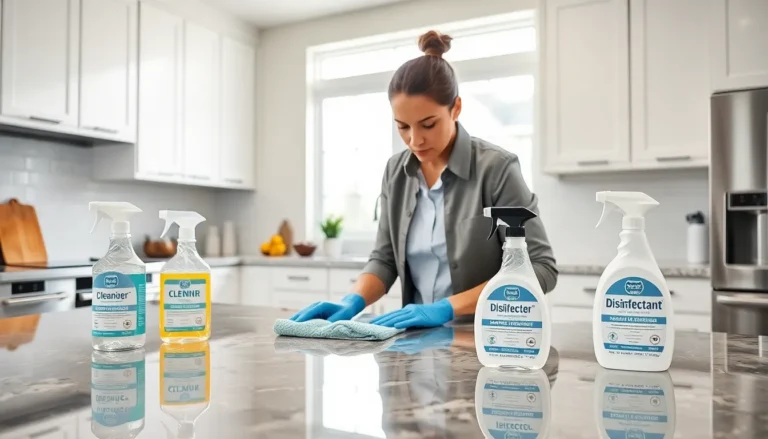
Microfiber cloths outperform paper towels in almost every situation. They trap dust and dirt without leaving streaks. One cloth handles multiple surfaces when dampened with water.
All-purpose cleaner works on countertops, appliances, and most hard surfaces. Look for formulas that cut through grease without harsh chemicals. Some people prefer making their own with vinegar and water.
Disinfectant spray or wipes kill germs on high-touch surfaces like doorknobs, light switches, and faucet handles. These products require contact time to work effectively, usually 30 seconds to a few minutes.
A quality vacuum cleaner handles floors, upholstery, and even curtains. HEPA filters capture allergens and fine particles. Bagless models save money on replacements.
Scrub brushes in various sizes tackle different jobs. A stiff brush removes grime from grout, while a soft brush works on delicate surfaces. Old toothbrushes reach tight corners.
Rubber gloves protect hands from chemicals and hot water. They also provide better grip on slippery bottles and surfaces.
A bucket and mop remain essential for hard floors. Spin mops reduce wringing effort, and flat mops work well in smaller spaces.
Glass cleaner leaves windows and mirrors spotless. Ammonia-based formulas cut through fingerprints quickly.
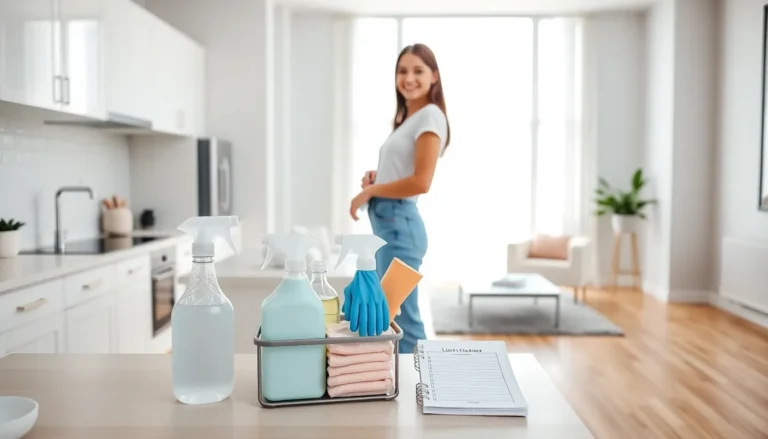
Stocking these supplies in a portable caddy allows easy transport from room to room. This approach eliminates wasted time searching for products during cleaning sessions.
Room-by-Room Cleaning Strategies
Each room presents unique challenges. Understanding how to cleaning different spaces correctly produces better results with less effort.
Kitchen Cleaning Tips
The kitchen collects grease, food particles, and bacteria faster than other rooms. Start with dishes, an empty sink makes other tasks easier.
Wipe down countertops daily with all-purpose cleaner. Pay extra attention to areas near the stove where grease splatters accumulate. Move appliances like toasters and coffee makers to clean underneath them weekly.
Clean the stovetop after cooking while surfaces remain warm. Burnt food releases more easily before it hardens. Remove burner grates and soak them in soapy water for stubborn stains.
The microwave needs attention inside and out. Heat a bowl of water with lemon juice for two minutes. The steam loosens dried food, making it easy to wipe away.
Refrigerators require monthly cleaning. Remove all items, check expiration dates, and wipe shelves with baking soda solution. This practice prevents odors and bacterial growth.
Mop kitchen floors weekly or more often in busy households. Focus on areas under the table and in front of the sink where spills happen most.
Bathroom Cleaning Tips
Bathrooms harbor moisture, mold, and germs. Good ventilation prevents many problems before they start.
Spray shower walls with daily cleaner after each use. This simple step reduces soap scum buildup dramatically. Deep clean the shower weekly by scrubbing tiles and grout.
Toilets need attention inside and out. Apply bowl cleaner, let it sit while cleaning other surfaces, then scrub with a toilet brush. Wipe the exterior, seat, and base with disinfectant.
Sinks and counters collect toothpaste, soap residue, and hair. Wipe them daily and disinfect twice weekly. Clean the drain by pouring baking soda followed by vinegar.
Mirrors show every water spot and smudge. Clean them with glass cleaner and a microfiber cloth for streak-free results.
Wash bathroom rugs and towels weekly in hot water. Replace old bath mats that hold moisture and develop odors.
Time-Saving Cleaning Hacks
Smart shortcuts make how to cleaning faster without sacrificing quality. These hacks cut cleaning time significantly.
Clean as you go. Wipe spills immediately. Put items back after using them. This habit prevents messes from becoming major cleaning projects.
Set a timer. Short, focused cleaning bursts accomplish more than marathon sessions. Fifteen minutes of concentrated effort produces visible results.
Work top to bottom. Dust and debris fall downward. Starting with ceiling fans and high shelves means dirt lands on surfaces still awaiting cleaning.
Left to right method. Moving in one direction around a room prevents missing spots and eliminates backtracking.
Multitask with soaking. Let cleaning products do the work. Spray the shower, then clean the sink while chemicals break down grime. Return to rinse with less scrubbing needed.
Use liners strategically. Trash can liners, refrigerator mats, and oven liners catch messes before they stick. Replacing a liner takes seconds: scrubbing takes minutes.
Keep supplies where they’re used. Store bathroom cleaner in the bathroom, kitchen cleaner in the kitchen. Eliminating trips to a central closet saves time.
Delegate tasks. Everyone in a household can contribute. Children handle age-appropriate chores like putting away toys or wiping tables.
Group similar tasks. Dust all rooms before switching to vacuuming all rooms. This approach reduces tool changes and mental shifts.
Creating a Cleaning Schedule That Works
A realistic schedule makes how to cleaning sustainable. Without a plan, tasks pile up and become overwhelming.
Daily tasks take five to ten minutes total:
- Make beds
- Wipe kitchen counters
- Load or unload dishwasher
- Quick bathroom surface wipe
- Pick up clutter
Weekly tasks require more time but maintain overall cleanliness:
- Vacuum all floors
- Mop hard surfaces
- Clean bathrooms thoroughly
- Change bed linens
- Dust furniture and surfaces
Monthly tasks address areas that accumulate dirt slowly:
- Clean inside appliances
- Wash windows
- Dust ceiling fans and light fixtures
- Wipe down cabinets and doors
- Deep clean one room completely
Seasonal tasks prevent long-term buildup:
- Clean behind and under furniture
- Shampoo carpets
- Wash curtains and blinds
- Organize closets and storage
- Clean outdoor spaces
The best schedule fits individual lifestyles. Some people prefer doing a little each day. Others dedicate one weekend day to completing all weekly tasks. Night owls might clean after dinner, while early risers tackle chores before work.
Written schedules work better than mental ones. Post a checklist on the refrigerator or use a phone app. Checking off completed tasks provides satisfaction and accountability.
Flexibility matters too. Life gets busy, and skipping a task occasionally causes no harm. The goal is progress, not perfection.