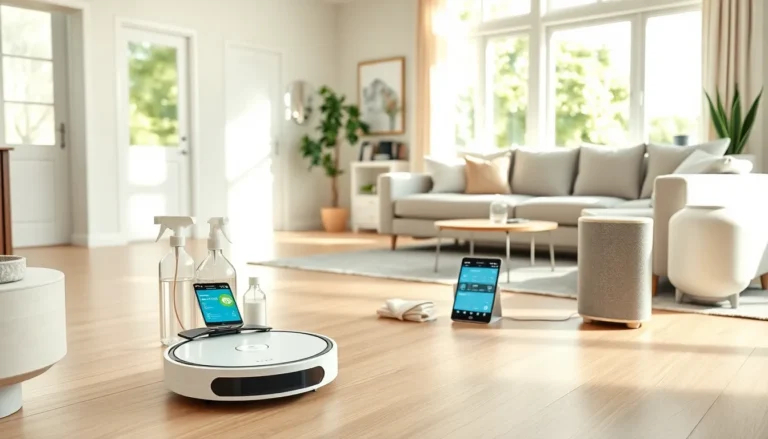
Great interiors examples can spark ideas that completely reshape how people see their homes. Whether someone wants clean lines or layered textures, the right design inspiration makes all the difference. This guide explores five distinct interior styles, from minimalist spaces to eclectic rooms bursting with personality. Each section breaks down what defines these looks and how to bring them home. Readers will find practical ideas they can adapt to any budget or room size.
Table of Contents
ToggleKey Takeaways
- Great interiors examples range from modern minimalist to bold bohemian, offering inspiration for every taste and budget.
- Minimalist interiors prioritize neutral colors, clean lines, and functional pieces that create calm, clutter-free spaces.
- Rustic and farmhouse designs use reclaimed wood, natural textures, and vintage accents to build warmth and character.
- Open-concept layouts improve natural light and social connection while using rugs, lighting, and furniture placement to define zones.
- Traditional interiors feature symmetry, rich fabrics, and dark wood furniture for a timeless, refined aesthetic.
- Eclectic and bohemian styles mix patterns, textures, and global influences to create personalized spaces full of character.
Modern Minimalist Interiors
Modern minimalist interiors examples focus on “less is more.” These spaces strip away clutter and keep only what matters. The result? Rooms that feel calm, open, and purposeful.
Key Features of Minimalist Design
Minimalist interiors rely on a few core principles:
- Neutral color palettes: Whites, grays, and beiges dominate walls and furniture. Occasional black accents add contrast.
- Clean lines: Furniture has simple shapes without ornate details. Think flat-front cabinets and streamlined sofas.
- Functional pieces: Every item serves a purpose. Decorative objects are few but intentional.
- Open space: Negative space matters as much as filled space. Rooms breathe.
How to Achieve This Look
Start by decluttering ruthlessly. Remove items that don’t serve a function or bring genuine joy. Next, invest in quality over quantity. One well-made coffee table beats three cheap ones. Choose furniture with hidden storage to keep surfaces clear.
Lighting plays a big role in minimalist interiors examples. Natural light should flood the space. Use sheer curtains or skip window treatments entirely. For artificial lighting, simple pendant lights or recessed fixtures work best.
Materials matter too. Concrete, glass, and light wood appear frequently. These create visual interest without overwhelming the senses.
Cozy Rustic and Farmhouse Designs
Rustic and farmhouse interiors examples bring warmth and character into living spaces. These designs celebrate natural materials and handcrafted touches. They make rooms feel lived-in and welcoming.
Defining Elements
Rustic interiors share several traits:
- Reclaimed wood: Barn doors, exposed beams, and distressed furniture anchor the style.
- Natural textures: Linen, burlap, jute, and wool add tactile interest.
- Earthy tones: Browns, creams, sage greens, and muted blues create a grounded palette.
- Vintage accents: Antique finds, mason jars, and galvanized metal containers contribute charm.
Practical Tips
Farmhouse interiors examples don’t require a complete renovation. Small changes make a big impact. Swap out cabinet hardware for oil-rubbed bronze pulls. Add a reclaimed wood shelf to the kitchen. Layer throw blankets on sofas.
The kitchen often becomes the heart of farmhouse design. Open shelving displays everyday dishes. A farmhouse sink anchors the workspace. Butcher block countertops add warmth against white cabinets.
Bedrooms benefit from cozy layering. Mix floral patterns with plaid or gingham. Add a vintage quilt at the foot of the bed. Use wicker baskets for storage that doubles as decor.
Contemporary Open-Concept Living Spaces
Open-concept interiors examples continue to dominate modern home design. These layouts remove walls between kitchens, dining rooms, and living areas. The result creates flow and connection throughout the home.
Benefits of Open Floor Plans
Open layouts offer several advantages:
- Better traffic flow: People move freely between zones without doorways interrupting.
- Increased natural light: Windows in one area brighten the entire space.
- Social connection: Cooks can chat with guests while preparing meals.
- Flexible furniture arrangement: Owners can reconfigure layouts as needs change.
Design Strategies
Successful open-concept interiors examples use visual cues to define zones without walls. Area rugs anchor seating arrangements. Pendant lights mark kitchen islands or dining tables. Changes in flooring, wood to tile, for instance, signal transitions.
Color consistency matters in open spaces. A unified palette prevents visual chaos. Accent colors can vary between zones, but they should complement each other.
Furniture placement creates implied boundaries. A sofa’s back can separate the living room from the dining area. A console table behind the couch adds function and definition.
Storage requires creative solutions in open layouts. Built-in shelving, kitchen islands with cabinets, and multi-functional furniture keep belongings organized without adding clutter.
Elegant Traditional and Classic Interiors
Traditional interiors examples draw from European design history. These spaces feel refined, symmetrical, and timeless. They suit homeowners who appreciate craftsmanship and rich materials.
Signature Characteristics
Classic interiors share these hallmarks:
- Symmetry: Matching lamps, paired chairs, and balanced arrangements create order.
- Rich fabrics: Velvet, silk, damask, and brocade appear on upholstery and window treatments.
- Dark wood furniture: Mahogany, cherry, and walnut pieces with carved details stand out.
- Architectural details: Crown molding, wainscoting, and coffered ceilings add dimension.
Bringing Tradition Home
Traditional interiors examples don’t have to feel stuffy. Modern interpretations lighten the palette while keeping classic bones. Cream walls replace dark green. Updated fabrics refresh antique furniture frames.
The living room typically features a focal point, often a fireplace with an ornate mantel. Furniture arranges around this anchor. Wing chairs, camelback sofas, and claw-foot tables fit the aesthetic.
Accessories complete traditional spaces. Crystal chandeliers, oil paintings in gilded frames, and porcelain collections add polish. Fresh flowers in silver vases bring life to formal rooms.
Bold Eclectic and Bohemian Styles
Eclectic and bohemian interiors examples break rules on purpose. These spaces mix patterns, periods, and cultures with confident abandon. The goal isn’t perfection, it’s personality.
What Makes Eclectic Work
Successful eclectic interiors balance chaos with intention:
- Color cohesion: A shared color thread ties diverse pieces together.
- Varied textures: Smooth leather meets chunky knits meets woven baskets.
- Collected over time: Rooms look curated through travel and years of gathering.
- Statement pieces: One bold item, a vintage rug, an oversized painting, anchors the space.
Bohemian Specifics
Bohemian interiors examples lean toward global influences, natural materials, and free-spirited vibes. Moroccan poufs sit beside Indian textiles. Macramé hangs near rattan furniture. Plants, lots of them, bring life everywhere.
Layering defines boho spaces. Rugs overlap. Pillows pile on sofas and floors. Throws drape across chairs. The effect feels warm and inviting, never stark.
Getting Started
Eclectic interiors examples often begin with one beloved piece. Maybe it’s a grandmother’s armchair or a flea market find. Build around that starting point. Add items slowly, testing how they work together.
Gallery walls showcase eclectic taste perfectly. Mix frame styles, artwork types, and sizes. Include mirrors, woven pieces, and dimensional objects alongside flat prints.