Top cleaning habits separate pristine homes from cluttered ones. A clean living space improves mental clarity, reduces allergens, and creates a welcoming environment for everyone who walks through the door. Yet many people struggle to maintain consistent cleaning routines. They waste time searching for supplies, tackle rooms inefficiently, or simply feel overwhelmed by the sheer amount of work involved.
This guide breaks down proven strategies for keeping every room spotless. From essential supplies to time-saving hacks, these top cleaning methods will transform how you approach household chores. Whether you’re a busy professional or a stay-at-home parent, these practical tips work for any lifestyle and schedule.
Table of Contents
ToggleKey Takeaways
- Top cleaning habits rely on having essential supplies organized in a portable caddy for efficiency.
- Tackle each room systematically—kitchens and bathrooms need the most frequent attention due to bacteria and moisture buildup.
- Use time-saving hacks like the two-minute rule and 15-minute cleaning sprints to maintain a spotless home without feeling overwhelmed.
- Follow a structured cleaning schedule: daily wipe-downs, weekly deep cleans, and monthly maintenance tasks.
- Consistency beats perfection—regular top cleaning routines deliver better results than occasional marathon sessions.
Essential Cleaning Supplies You Need
Quality cleaning supplies make every job faster and more effective. Building a well-stocked cleaning kit eliminates last-minute store runs and keeps motivation high.
Start with these core items:
- Microfiber cloths: These trap dust and dirt better than cotton rags. They work wet or dry and last through hundreds of washes.
- All-purpose cleaner: One versatile spray handles countertops, appliances, and most hard surfaces. Look for formulas that cut grease without harsh chemicals.
- Glass cleaner: Streak-free mirrors and windows require a dedicated product. Ammonia-based options work fast, while vinegar solutions offer a natural alternative.
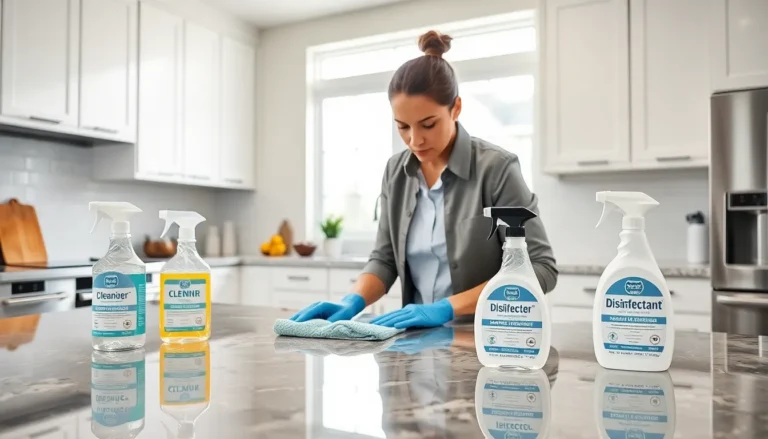
- Disinfectant: Bathrooms, kitchens, and high-touch surfaces need germ-killing power. EPA-registered products provide reliable protection.
- Scrub brushes: Different sizes tackle different jobs. A stiff brush handles grout, while softer bristles work on delicate fixtures.
- Vacuum with attachments: A quality vacuum removes dust from floors, upholstery, and tight corners. HEPA filters capture allergens that cheaper models miss.
- Mop system: Flat mops with washable pads beat traditional string mops for most floors. They’re lighter, more maneuverable, and more hygienic.
- Rubber gloves: Protect your hands from chemicals and hot water. Choose a durable pair that fits snugly.
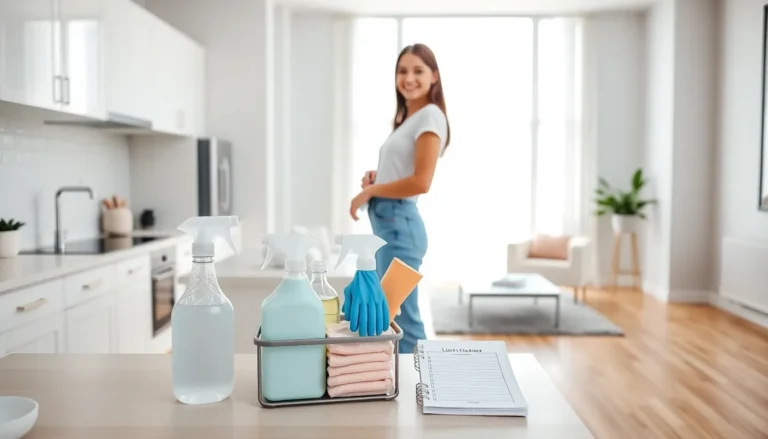
Organize these supplies in a portable caddy or bucket. Carrying everything from room to room saves time and prevents forgotten items. Store backup supplies in a central location so you never run out mid-clean.
Room-by-Room Cleaning Strategies
Top cleaning results come from systematic approaches. Each room presents unique challenges and requires specific techniques.
Kitchen and Bathroom Deep Cleaning
Kitchens accumulate grease, food particles, and bacteria faster than any other room. Start with the stove and oven, these collect the most stubborn grime. Apply degreaser, let it sit for five minutes, then wipe clean. Don’t forget the range hood filter, which traps airborne grease.
Clean the refrigerator inside and out every two weeks. Remove shelves and drawers for thorough washing. Wipe door handles and the top of the fridge, where dust settles heavily.
Sinks deserve daily attention. Food residue breeds bacteria quickly. A nightly scrub with dish soap prevents buildup. Once weekly, sanitize the drain with baking soda and vinegar.
Bathrooms require frequent top cleaning attention due to moisture and organic matter. Tackle toilets first, apply bowl cleaner, let it work while you clean other fixtures, then scrub and flush. Disinfect the seat, handle, and base.
Shower walls and doors develop soap scum and mildew without regular care. A squeegee after each shower prevents most buildup. Weekly scrubbing with a bathroom cleaner keeps tiles sparkling. Pay extra attention to grout lines and caulk edges.
Living Spaces and Bedrooms
Living rooms and bedrooms collect dust, pet hair, and everyday debris. Vacuum upholstered furniture weekly using the proper attachment. Flip and rotate cushions monthly for even wear.
Dust surfaces from top to bottom, start with ceiling fans and work down to baseboards. This method prevents re-cleaning lower surfaces. Use a damp microfiber cloth to capture particles rather than spreading them around.
Bedding requires weekly washing in hot water to eliminate dust mites and allergens. Mattresses benefit from vacuuming every few months. Rotate them seasonally to extend their lifespan.
Floors need different approaches based on material. Hardwood requires gentle cleaners and minimal water. Carpet benefits from regular vacuuming and professional deep cleaning annually.
Time-Saving Cleaning Hacks
Smart shortcuts deliver top cleaning results without eating up your entire weekend. These proven hacks maximize efficiency.
Clean as you go. Wipe the bathroom mirror while brushing your teeth. Load the dishwasher immediately after meals. These small habits prevent messes from compounding.
Set a timer. Fifteen-minute cleaning sprints accomplish more than you’d expect. The time limit creates urgency and prevents procrastination. Focus on one task until the timer rings.
Use the two-minute rule. If a task takes less than two minutes, do it now. Hang up that jacket. Wipe that spill. Put those dishes away. Small actions prevent big cleaning sessions later.
Multitask with products. Apply oven cleaner or toilet bowl cleaner first, then clean other areas while chemicals work. Return to wipe away loosened grime with minimal scrubbing.
Declutter before cleaning. Stuff creates obstacles. Spend five minutes putting items away before grabbing cleaning supplies. Clear surfaces are faster to clean and look better afterward.
Keep supplies where you use them. Store bathroom cleaners under the bathroom sink. Keep kitchen supplies near the kitchen. This eliminates trips across the house.
Invest in quality tools. A powerful vacuum saves time on every pass. Good microfiber cloths clean faster than cheap alternatives. Better tools mean less effort and better results.
How Often to Clean Different Areas
Top cleaning schedules balance thoroughness with practicality. Some areas need daily attention while others require only monthly maintenance.
Daily tasks:
- Make beds
- Wipe kitchen counters and stovetop
- Wash dishes or run dishwasher
- Clean up spills immediately
- Quick bathroom sink wipe-down
Weekly tasks:
- Vacuum all floors
- Mop hard floors
- Clean toilets and showers
- Dust furniture and surfaces
- Change bed linens
- Wipe kitchen appliances
Monthly tasks:
- Deep clean refrigerator
- Wash windows
- Dust ceiling fans and light fixtures
- Clean baseboards
- Vacuum upholstery
- Wipe cabinet fronts
Quarterly tasks:
- Clean oven thoroughly
- Wash curtains and drapes
- Flip mattresses
- Clean behind large appliances
- Organize closets and storage areas
Annual tasks:
- Professional carpet cleaning
- Clean gutters
- Wash walls
- Deep clean air ducts
- Sort through stored items
Adjust this schedule based on household size, pets, and personal standards. Families with young children or multiple pets may need more frequent top cleaning sessions. Singles or couples without pets can often extend intervals between deep cleans.
Consistency matters more than perfection. A reasonable schedule maintained over time beats sporadic deep-cleaning marathons.