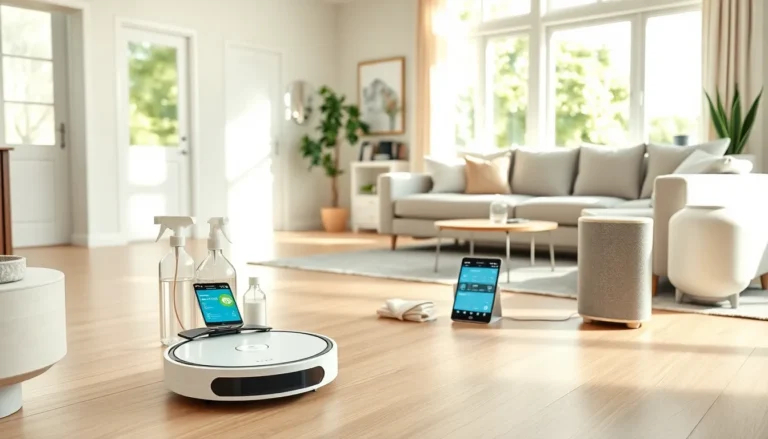
Top interiors share a common thread: they balance beauty with function. Whether someone is renovating a living room or starting fresh in a new home, understanding what makes a space truly stand out matters. Great interior design isn’t about following every trend or spending a fortune. It’s about making intentional choices that reflect personal style while creating rooms that feel good to live in.
This guide breaks down the essential elements behind top interiors, from popular design styles to practical tips anyone can use. Readers will discover what separates an average room from an exceptional one, and how to apply those principles at home.
Table of Contents
ToggleKey Takeaways
- Top interiors balance beauty with function by making intentional design choices that reflect personal style.
- Great interior design prioritizes balance, functionality, layered lighting, and a cohesive story that reflects the inhabitants’ personalities.
- Modern minimalism and warm organic aesthetics are two popular styles that define top interiors in 2025.
- Texture variety, proper scale, a strong focal point, and the 60-30-10 color rule elevate any space from average to exceptional.
- Achieving a professionally designed look requires planning, investing in quality anchor pieces, and editing ruthlessly over time.
- Top interiors evolve gradually—living in a space reveals its true needs better than any initial planning session.
What Defines a Top Interior Design
A top interior goes beyond surface-level aesthetics. It creates a cohesive experience where every element works together. But what exactly separates good design from great design?
First, top interiors prioritize balance. This means visual weight distributes evenly across a room. A large sectional sofa, for instance, might pair with a substantial coffee table and statement lighting to create equilibrium. Rooms feel off when one corner holds all the visual interest while another sits empty.
Second, functionality drives decisions. The most beautiful room fails if it doesn’t serve its occupants well. Top interiors consider traffic flow, storage needs, and daily habits. A stunning kitchen island means nothing if people constantly bump into it while cooking.
Third, lighting matters more than most people realize. Top interiors layer multiple light sources, ambient, task, and accent lighting, to create depth and flexibility. Natural light receives priority, with window treatments that maximize daylight without sacrificing privacy.
Finally, top interiors tell a story. They reflect the personalities and lives of their inhabitants. This doesn’t mean displaying every belonging, but rather curating pieces that hold meaning and create conversation.
Popular Interior Styles to Consider
Choosing a style provides direction for every decision that follows. Here are two popular approaches that continue to define top interiors in 2025.
Modern Minimalism
Modern minimalism strips away excess to highlight what truly matters. This style favors clean lines, neutral color palettes, and uncluttered surfaces. Every object earns its place through both form and function.
In a minimalist space, furniture often features simple geometric shapes. Materials like concrete, steel, and glass create a sleek foundation. Color schemes typically build from whites, grays, and blacks, with occasional bold accents for contrast.
The key to successful minimalism? Quality over quantity. A single well-crafted chair makes a stronger statement than several mediocre pieces. Storage solutions hide away everyday items, keeping surfaces clear. This approach works especially well in smaller spaces where visual clutter quickly overwhelms.
Warm and Organic Aesthetics
On the opposite end, warm organic design embraces natural textures and earthy tones. This style brings the outdoors inside through wood, stone, linen, and wool. It creates spaces that feel grounded and inviting.
Top interiors using this approach often feature exposed wood beams, terracotta accents, and woven textiles. Plants play a starring role, from large fiddle leaf figs to trailing pothos vines. Color palettes draw from nature: sage greens, warm browns, creamy whites, and sunset oranges.
This style suits people who want their homes to feel like a retreat. It pairs particularly well with open floor plans where natural light can showcase organic materials.
Key Elements That Elevate Any Space
Regardless of style preference, certain elements consistently appear in top interiors. These details separate amateur decorating from polished design.
Texture variety adds dimension. A room with only smooth surfaces feels flat and institutional. Top interiors mix rough and smooth, matte and shiny, soft and hard. A leather sofa might sit on a jute rug near velvet pillows. This layering creates visual and tactile interest.
Scale and proportion require attention. Furniture should fit the room, neither cramped nor swimming in empty space. A tiny loveseat in a large living room looks lost. A massive sectional in a small apartment feels oppressive. Top interiors get these ratios right.
A focal point anchors each room. This might be a fireplace, a statement art piece, a striking light fixture, or an accent wall. The eye needs somewhere to land first before exploring the rest of the space.
Thoughtful color application ties everything together. Top interiors follow the 60-30-10 rule: 60% dominant color (walls, large furniture), 30% secondary color (upholstery, curtains), and 10% accent color (accessories, art). This formula creates cohesion without monotony.
Personal touches prevent spaces from looking like showrooms. Family photos, travel souvenirs, collected books, these items give top interiors their soul.
How to Achieve a Professionally Designed Look
Creating top interiors doesn’t require hiring a designer, though it does require strategy. Here’s how to approach a room like a professional.
Start with a plan. Professionals never buy furniture impulsively. They measure rooms, create floor plans, and test layouts before purchasing. Free tools like floor planning apps help visualize options. This step prevents costly mistakes.
Invest in anchor pieces first. The sofa, bed, and dining table set the tone for each room. These items should be high quality since they receive daily use and define the space. Secondary pieces can come later as budget allows.
Edit ruthlessly. Top interiors often succeed through subtraction, not addition. That inherited lamp or outdated side table might be holding a room back. Give pieces the “joy test”, if they don’t bring pleasure or serve a purpose, they go.
Consider sight lines. Walk through the space and notice what catches the eye from different angles. Adjust furniture placement so attractive elements take center stage while less appealing necessities stay hidden.
Don’t rush the process. Top interiors evolve over time. Living in a space reveals its needs better than any planning session. The best rooms develop gradually as their owners discover what works.