What is cleaning, exactly? At its core, cleaning removes dirt, dust, and unwanted substances from surfaces. Most people clean every day without thinking twice about it. They wipe counters, sweep floors, and scrub dishes. But cleaning goes far beyond making things look nice. It protects health, extends the life of belongings, and creates spaces where people can thrive.
This article breaks down what cleaning means, explores different cleaning methods, and explains why it matters. Whether someone wants to understand the basics or improve their cleaning routine, this guide covers the essentials.
Table of Contents
ToggleKey Takeaways
- Cleaning removes dirt, dust, and germs from surfaces to create safer, healthier environments.
- Different cleaning methods—dry, wet, steam, green, and deep cleaning—serve specific purposes depending on the task.
- Cleaning removes visible dirt, sanitizing reduces germs to safe levels, and disinfecting kills bacteria and viruses.
- Regular cleaning prevents respiratory issues, reduces infection risks, and deters pests from entering your home.
- Clean spaces improve mental well-being by reducing stress, boosting focus, and increasing productivity.
- Essential cleaning supplies include microfiber cloths, all-purpose cleaner, a vacuum with HEPA filter, and disinfectant for high-touch surfaces.
Defining Cleaning and Its Purpose
Cleaning is the process of removing unwanted matter from objects and surfaces. This includes dirt, dust, stains, germs, and other impurities. The goal is simple: create a cleaner, safer environment.
People clean for several reasons. First, cleaning improves appearance. A clean home or office looks better and feels more inviting. Second, cleaning removes harmful substances. Dust, allergens, and bacteria build up over time. Regular cleaning eliminates these particles before they cause problems.
The purpose of cleaning extends to preservation too. Dirt and grime damage surfaces over time. Floors wear down faster when covered in debris. Fabrics stain permanently if spills aren’t addressed quickly. Cleaning protects investments and keeps belongings in good condition.
Cleaning also affects mental well-being. Studies show that cluttered, dirty spaces increase stress levels. Clean environments promote focus, calm, and productivity. So while cleaning serves practical purposes, it also supports emotional health.
Types of Cleaning Methods
Different situations require different cleaning approaches. Understanding these methods helps people choose the right technique for each task.
Dry Cleaning
Dry cleaning uses little to no water. It includes dusting, sweeping, vacuuming, and using dry chemical solvents. This method works well for delicate fabrics, electronics, and surfaces that water could damage. Professional dry cleaners use specialized solvents to clean clothing without shrinking or fading the material.
Wet Cleaning
Wet cleaning involves water and cleaning solutions. Mopping floors, washing dishes, and scrubbing bathrooms all fall into this category. Wet cleaning is effective for removing sticky residues, heavy soil, and most types of stains. It’s the most common cleaning method in households.
Steam Cleaning
Steam cleaning uses hot vapor to loosen dirt and kill germs. This method works on carpets, upholstery, tile, and grout. Steam reaches temperatures that eliminate many bacteria and dust mites without harsh chemicals. It’s a good option for people who prefer eco-friendly cleaning.
Green Cleaning
Green cleaning focuses on environmentally safe products and practices. It avoids harsh chemicals that harm people, pets, or ecosystems. Common green cleaning ingredients include vinegar, baking soda, and plant-based soaps. This approach reduces chemical exposure while still achieving effective results.
Deep Cleaning
Deep cleaning goes beyond routine maintenance. It targets areas people often overlook, behind appliances, inside cabinets, under furniture. Deep cleaning typically happens seasonally or before special events. It restores spaces to like-new condition.
The Difference Between Cleaning, Sanitizing, and Disinfecting
Many people use “cleaning,” “sanitizing,” and “disinfecting” interchangeably. But, these terms mean different things.
Cleaning removes visible dirt and some germs from surfaces. It uses soap, water, and physical action like scrubbing. Cleaning lowers the number of germs but doesn’t kill them all.
Sanitizing reduces germs to safe levels as determined by public health standards. Sanitizers lower bacteria counts significantly. This process is common in food service, where surfaces must meet specific safety requirements. Sanitizing typically follows cleaning.
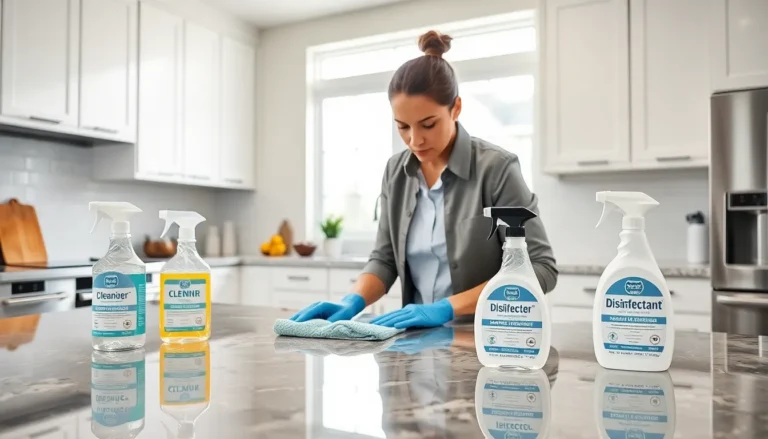
Disinfecting kills germs on surfaces using chemical products. Disinfectants destroy bacteria, viruses, and fungi. This method is essential in healthcare settings and during illness outbreaks. Disinfecting works best on pre-cleaned surfaces because dirt can reduce a disinfectant’s effectiveness.
Here’s a simple way to remember: cleaning removes, sanitizing reduces, disinfecting kills. For everyday household tasks, regular cleaning is usually sufficient. High-touch surfaces like doorknobs and light switches benefit from periodic disinfecting, especially during flu season.
Why Cleaning Matters for Health and Well-Being
Cleaning directly impacts physical health. Dust and allergens trigger respiratory problems, especially for people with asthma or allergies. Regular cleaning removes these irritants from living spaces. The American Lung Association recommends frequent vacuuming and dusting to maintain indoor air quality.
Germs spread easily on dirty surfaces. Kitchen counters, bathroom fixtures, and frequently touched objects harbor bacteria. Cleaning these areas reduces the risk of foodborne illness and infections. During cold and flu season, consistent cleaning can help prevent sickness from spreading through households.
Pest prevention is another health benefit of cleaning. Crumbs, spills, and clutter attract insects and rodents. These pests carry diseases and contaminate food supplies. Clean homes are less appealing to unwanted visitors.
Mental health benefits deserve attention too. Research from Indiana University found that people with clean homes are more physically active and healthier overall. Clutter creates visual chaos that increases cortisol levels. A clean space promotes relaxation and reduces anxiety.
Productivity improves in clean environments as well. Workers in tidy offices report better concentration and fewer distractions. Students study more effectively in organized spaces. Cleaning creates conditions where people can perform their best.
Essential Cleaning Supplies and Tools
Having the right supplies makes cleaning easier and more effective. Here are the basics every household needs:
Microfiber cloths trap dust and dirt better than regular rags. They work wet or dry and are reusable after washing. Keep several on hand for different tasks.
All-purpose cleaner handles most everyday messes. It works on counters, appliances, and hard surfaces. Choose one formula that covers multiple jobs to simplify supply storage.
Glass cleaner leaves windows and mirrors streak-free. Some people prefer vinegar-water mixtures as a natural alternative.
Disinfectant spray or wipes kill germs on high-touch surfaces. Use these on doorknobs, phones, and remote controls.
Broom and dustpan sweep hard floors quickly. Look for angled bristles that reach corners effectively.
Vacuum cleaner removes dust and debris from carpets, rugs, and upholstery. Models with HEPA filters capture tiny particles that regular vacuums miss.
Mop and bucket clean hard floors thoroughly. Flat mops with washable pads offer convenience, while string mops handle heavy-duty jobs.
Toilet brush and bowl cleaner keep bathrooms sanitary. Replace toilet brushes every six months to a year.
Rubber gloves protect hands from chemicals and dirty water. They also improve grip on slippery items.
Scrub brushes tackle tough stains on grout, tile, and textured surfaces. Different sizes handle various cleaning challenges.
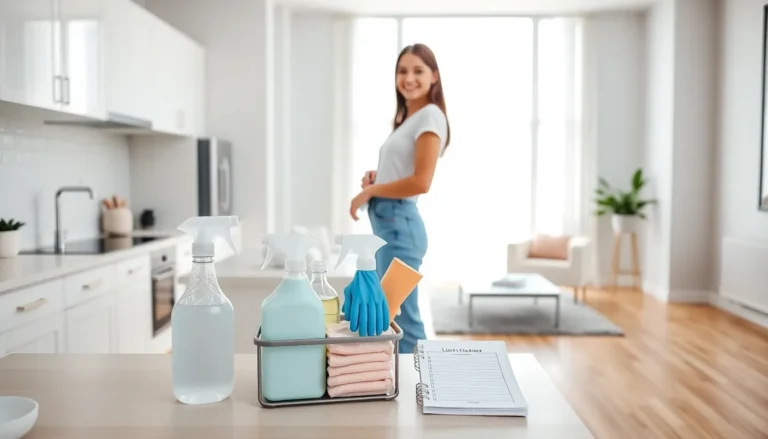
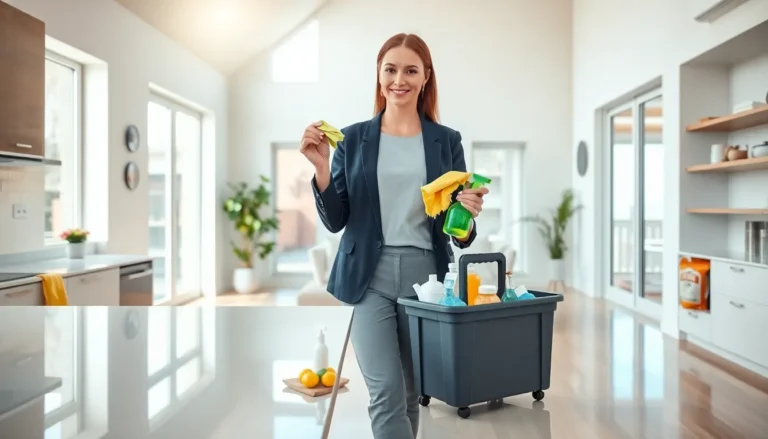
Organizing these supplies in a caddy or bucket makes moving from room to room efficient. Keeping everything in one place saves time and ensures nothing gets forgotten during cleaning sessions.