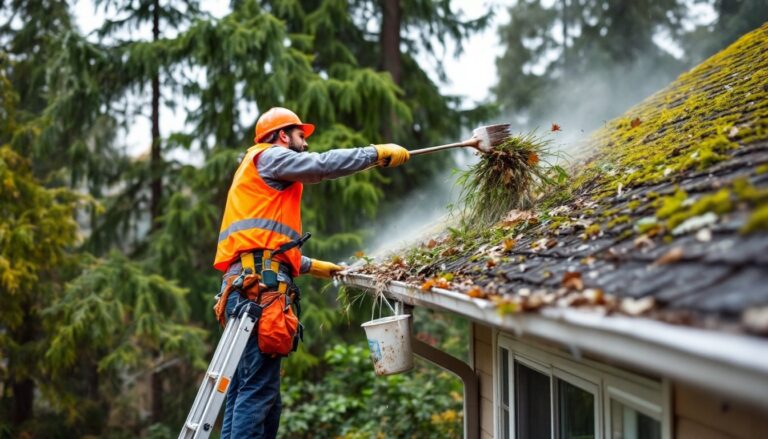
Gutter maintenance is one of those thankless jobs most homeowners put off until water starts pouring down the fascia. A clogged gutter doesn’t just look neglected, it can lead to foundation damage, roof rot, and landscape erosion. Traditionally, this meant dragging out a ladder, getting on your hands and knees, and scooping out years of leaves, twigs, and silt by hand. Gutter cleaning vacuums have changed that equation. These specialized tools use powerful suction to extract debris from gutters and downspouts without the mess, danger, or backache of manual removal. Whether you’re a weekend warrior or someone who simply values time over sweat equity, understanding how these vacuums work and what features matter can save you hours every fall.
Table of Contents
ToggleKey Takeaways
- Gutter cleaning vacuums eliminate dangerous ladder work and hand-scooping by using powerful suction to extract leaves, dirt, and standing water safely from ground level.
- Choose a gutter cleaning vacuum with at least 18–25 CFM and 120+ inches of water lift to effectively handle residential debris, wet leaves, and silt buildup.
- Verify your gutter cleaning vacuum has 25–30 feet of hose length, 2–2.5 inch diameter hose, and specialized gutter head attachments for optimal reach and grip.
- Dedicated gutter cleaning vacuums range from $300–$600 for DIY models, while attachment kits for existing shop vacs offer a budget-friendly alternative at a fraction of the cost.
- Clean gutters twice yearly—fall after leaves drop and spring before heavy rains—and always clear large debris by hand, use safety gear, and work from the ground with a partner spotting the hose.
- A full collection tank reduces suction power dramatically, so empty frequently and flush gutters with a garden hose after vacuuming to ensure proper water drainage and prevent foundation damage.
What Are Gutter Cleaning Vacuums and How Do They Work?
A gutter cleaning vacuum is a specialized wet-dry vacuum designed to extract leaves, dirt, and standing water from gutters, downspouts, and roof valleys. Unlike a standard shop vac, these units feature extended hoses, low-profile heads, and sometimes specialized nozzles that reach into tight spaces and grip gutters securely.
Most models work via a handheld or pole-mounted wand connected to a main motor unit at ground level. You stand below and guide the wand along the gutter line: suction pulls debris into a collection bag or tank. Some high-end models offer two-person systems where one person works the wand while another manages the collection bucket. The suction force, measured in cubic feet per minute (CFM) and water lift (vertical suction strength), determines how well the vacuum handles compacted leaves and wet debris. A wet-dry vacuum with at least 15 CFM and 100 inches of water lift can handle most residential gutters, though heavier debris loads may benefit from stronger motors.
Key Features to Look For in a Quality Gutter Cleaning Vacuum
Suction Power and Motor Performance
Suction power is the primary determinant of a gutter cleaning vacuum’s effectiveness. Two metrics matter: CFM (cubic feet per minute) and static water lift (how many inches a vacuum can draw water vertically). A motor rated at 18–25 CFM handles typical residential debris well, while 25+ CFM tackles wet, matted leaves and silt buildup. Water lift over 120 inches ensures the vacuum won’t lose suction when gutters contain standing water or compressed debris. Electric motors (corded or battery-powered) offer consistent performance, while gas-powered units deliver maximum suction but create noise and exhaust fumes, less ideal for suburban settings. Brushless motor technology, common in newer models, runs cooler and lasts longer than traditional brush motors.
Hose Length and Attachment Compatibility
Gutter height dictates hose length needs. A standard two-story home requires 25–30 feet of hose to reach the roof from ground level safely. Telescoping wands extend reach without excessive hose weight, and many models accept standard shop-vac hose adapters, letting you use aftermarket extensions or swap to alternative equipment. Look for 2-inch or 2.5-inch diameter hose: larger diameters maintain suction better over long runs. Specialized gutter head attachments, curved or slot-style nozzles that grip the gutter edge, work better than standard vacuum crevice tools, which can slip or require awkward positioning. Compatibility with downspout cleaning nozzles and corner bend attachments expands the vacuum’s usefulness beyond just gutter runs.
Top Gutter Cleaning Vacuum Options for Homeowners
Several manufacturers have built reliable gutter cleaning systems over the past few years. Models like the Toro PowerPlex and Worx TriVac are popular with DIY homeowners for their balance of power, portability, and price point, typically ranging from $300–$600. Battery-powered options from DeWalt and Makita integrate with existing tool ecosystems and eliminate cord hassles, though suction power may be slightly lower than corded equivalents. If you already own a Shop-Vac or similar wet-dry unit, gutter cleaning attachments kits, available from brands like Craftsman and Stanley, can adapt your existing motor for a fraction of the cost. According to reviews of home cleaning tools at Good Housekeeping, tested models emphasize durability and collection capacity: look for 16+ gallon tanks to minimize emptying mid-project. Two-person systems from specialized manufacturers like GutterMate distribute the workload but cost $800+, making them best suited for those with extensive gutters or seasonal service businesses.
Tips for Effective and Safe Gutter Cleaning With a Vacuum
Before powering on, clear large debris by hand, pieces larger than a few inches can clog the hose or damage the impeller. Soak compacted leaves with a garden hose for 10–15 minutes to loosen them: wet debris vacuums much more efficiently than dry, matted clumps. Always use safety glasses and gloves, and consider a dust mask if working in dusty conditions or with decomposed leaf matter (which can harbor mold spores). Never work from a ladder while holding the wand: position yourself on the ground with the hose routed safely overhead, using a partner to spot the line and prevent tangling. According to seasonal maintenance guides at Today’s Homeowner, gutters should be cleaned in fall after leaves drop and again in spring before heavy rains. If your gutters are older than 15 years or show visible rust or separation at seams, have them inspected before vacuuming, aggressive suction can dislodge deteriorating fasteners.
Empty the collection tank or bag frequently: a full tank loses suction dramatically. Check hoses for clogs before assuming motor failure, a blockage in the first 5 feet is common when debris compacts mid-extraction. After cleaning, flush gutters with a garden hose to clear remaining silt, and inspect downspout openings to ensure water flows freely. For multistory homes or complex roof lines, restoration techniques from This Old House recommend professional gutter service every two to three years to address structural issues or high-risk areas.
Conclusion
A gutter cleaning vacuum transforms a tedious, dangerous chore into a manageable task. Focus on suction power, hose reach, and attachment quality when evaluating models. Whether you invest in a dedicated unit or adapt an existing shop vac, consistent seasonal cleaning, fall and spring, protects your home’s foundation, roof, and landscaping for years to come. The right tool makes all the difference.