Your teeth take a beating. Coffee stains, tartar buildup, and the plaque that regular brushing misses, they all add up. Deep tooth cleaning, also called scaling and root planing, removes buildup below the gumline that a standard toothbrush can’t reach. Whether you’re managing mild plaque accumulation or preparing for professional treatment, understanding what deep tooth cleaning involves helps you make smart decisions about your oral health. This guide walks through both at-home techniques and when professional help is worth the investment.
Table of Contents
ToggleKey Takeaways
- Deep tooth cleaning, also called scaling and root planing, removes tartar and plaque buildup below the gumline that regular brushing misses, preventing gum disease and tooth loss.
- Electric toothbrushes, water flossers, and a consistent two-minute brushing routine combined with daily flossing can significantly reduce plaque accumulation at home.
- Professional deep cleaning costs $500–$2,000 but is essential when gums bleed, recede, or show signs of periodontal disease, as home tools alone cannot treat pockets exceeding 3–4 mm.
- Common mistakes like using hard-bristled brushes, skipping floss when gums bleed, or brushing immediately after acidic foods undermine deep cleaning effectiveness and gum health.
- Maintaining results requires a non-negotiable routine of twice-daily brushing, daily flossing, professional checkups every 6–12 months, and addressing early warning signs before they require costly treatment.
What Is Deep Tooth Cleaning and Why It Matters
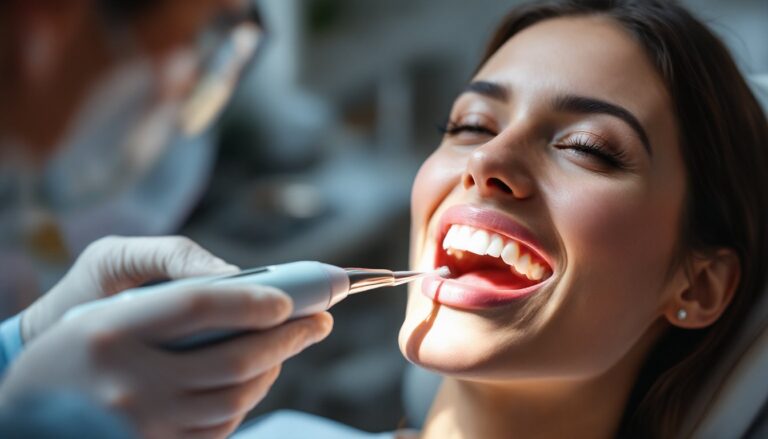
Deep tooth cleaning targets plaque and tartar, hardened bacterial deposits, that accumulate along the tooth and below the gumline. Unlike a standard cleaning, which focuses on the visible crown of the tooth, deep cleaning (scaling) removes buildup from the root surface, and root planing smooths root surfaces to help gums reattach. This matters because untreated tartar causes gum disease, which leads to bone loss, loose teeth, and eventually tooth loss. Early intervention stops this progression. The procedure takes 2-4 appointments depending on severity and is often recommended when gums bleed easily, recede, or show signs of periodontal disease. Think of it as preventive maintenance, the dental equivalent of addressing a foundation crack before the whole house shifts.
DIY Deep Cleaning vs. Professional Treatments
At-Home Techniques and Tools
You can reduce plaque and tartar buildup with the right tools and discipline. An electric toothbrush with ultrasonic vibration (2,000+ vibrations per second) removes more plaque than a manual brush. Sonic toothbrushes like the Sonicare replicate the gentle action of professional scalers but at lower intensity. A water flosser (also called an oral irrigator) uses pressurized water to clean between teeth and below the gumline, particularly helpful if traditional floss irritates sore gums. Spend 2 minutes on your teeth twice daily, angle the brush at 45 degrees to the gumline, and use gentle circular motions rather than aggressive scrubbing. Some homeowners add a tartar-control toothpaste with pyrophosphates, which slow mineral buildup, though these work best on fresh surfaces, not hardened deposits.
Good cleaning techniques applied consistently make a real difference. Essential Cleaning Techniques for a Spotless Home apply to oral care too, systematic approach, the right equipment, and follow-through prevent accumulated problems. For specific product reviews and tested recommendations on toothbrushes and flossers, Good Housekeeping and Real Simple regularly evaluate oral care devices.
When to Seek Professional Help
Professional scaling reaches areas home tools cannot. A dentist or hygienist uses an ultrasonic scaler (much more aggressive than consumer models) and hand instruments to break apart tartar bonded to teeth and roots. They can access the deepest pockets (periodontal probes measure these in millimeters) and apply root-planing techniques to smooth rough root surfaces. If your gums bleed when you floss, if you notice receding gumlines, or if your last cleaning was over a year ago, schedule a professional exam. Untreated gum disease accelerates, and home tools alone won’t stop it once pockets exceed 3–4 mm. A professional deep cleaning costs $500–$2,000 depending on severity and location, but the cost of tooth loss, implants, bridges, dentures, runs far higher. Be honest about early warning signs: catching problems early saves money and pain later.
Step-by-Step Guide to Deep Cleaning Your Teeth
-
Gather your tools. You’ll need a soft-bristled toothbrush (hard bristles damage gums), dental floss (waxed or unwaxed, whatever you’ll actually use), a water flosser (optional but helpful), and tartar-control toothpaste. Some people add a tongue scraper to remove bacteria-laden biofilm.
-
Brush for two minutes. Angle the brush 45 degrees toward the gumline. Use short, gentle strokes on the outer surface, inner surface, and chewing surface of each tooth. Don’t scrub hard: light pressure works better. Spend 30 seconds on each quadrant (upper right, upper left, lower right, lower left).
-
Floss between every tooth. Wrap floss around your finger, slide it between teeth with a gentle rocking motion, and curve it around each tooth’s base. Don’t snap it against gums: ease it down. If gums bleed, that’s inflammation signaling you need this step, not a reason to skip it.
-
Use the water flosser. Fill the reservoir, set it to low or medium pressure (start low if you’ve never used one), and direct the tip along the gumline at a 45-degree angle. Work around all teeth, including the back surfaces.
-
Rinse thoroughly. Swish with water or an antimicrobial rinse (chlorhexidine or cetylpyridinium chloride) for 30 seconds. Skip alcohol-based rinses, which dry out mouth tissue.
-
Repeat twice daily. Morning and evening, every day. This routine prevents new tartar from bonding and gives your gums a fighting chance to heal. Results take 2–4 weeks: plaque reduction is visible first, gum healing takes longer.
Common Mistakes to Avoid
Skipping floss because your gums bleed. Bleeding gums need floss more, not less. Skipping it lets inflammation worsen. Be gentle, floss daily, and bleeding usually stops within a week.
Using a hard-bristled toothbrush. Hard bristles scratch gum tissue and expose root surfaces. Soft bristles (around 0.2 mm diameter) are firm enough to remove plaque without damage.
Brushing right after acidic foods. Acid softens tooth enamel temporarily. If you have coffee, citrus, or soda, wait 30 minutes before brushing to avoid wearing away enamel.
Relying on mouthwash instead of floss. Mouthwash rinses loose particles but doesn’t remove tartar or clean between teeth. It’s complementary, not a replacement.
Ignoring early warning signs. A single bleeding spot, slight recession, or persistent bad breath points to gum disease early enough to reverse with good home care. Wait six months and you might need a professional deep cleaning. Wait a year and you might lose the tooth.
Expecting instant results from tartar-control toothpaste. These products slow new tartar formation on clean surfaces but won’t dissolve hardened deposits. They work as prevention, not treatment. The Spruce and other home improvement resources often highlight the importance of preventive maintenance across all home systems, your mouth is no different.
Maintaining Results: Long-Term Dental Care Tips
Once you’ve tackled the deep cleaning, whether at home or professionally, keep the results by staying consistent. Establish a non-negotiable routine: brush twice daily for two minutes, floss once daily, and rinse. Schedule a professional checkup and cleaning every 6–12 months (more frequently if gum disease runs in your family or if you’re a smoker). Smoking doubles gum disease risk: quitting is the single most impactful step after good hygiene. Stay hydrated: saliva buffers acid and fights bacteria, so dry mouth accelerates plaque buildup. If you grind your teeth at night (bruxism), ask your dentist about a night guard, which protects enamel and reduces gum stress. Finally, don’t wait for pain to act. By the time a tooth hurts, the infection is often advanced. Catching problems at the bleeding-gum or light-recession stage means a simple deep cleaning and habit reset can save the tooth. Ignoring warning signs turns a $500 cleaning into a $5,000 implant or bridge. The work is small: the payoff is staying in your own teeth for life.