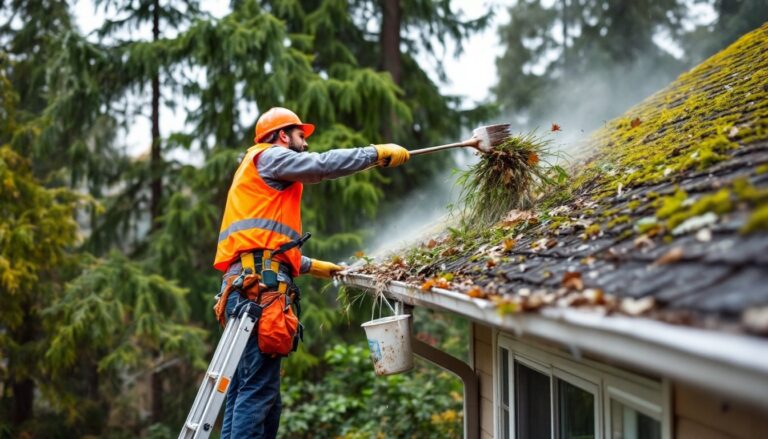
Boise’s four-season climate, with dry summers, wet springs, and heavy snow in winter, puts unique stress on home gutters. Leaves, pine needles, dirt, and debris pile up fast, especially if you live near trees. Clogged gutters don’t just look neglected: they cause water damage to fascia, soffit, and foundation. Whether you’re a hands-on homeowner or prefer professional help, understanding gutter maintenance keeps your home protected and your wallet intact. This guide walks you through why gutter cleaning matters in Boise, how to spot problems, and exactly how to tackle it yourself, or know when to call in the pros.
Table of Contents
ToggleKey Takeaways
- Boise gutter cleaning should occur twice annually—in late fall (October-November) and spring (April-May)—to prevent ice dams, water damage, and costly foundation repairs caused by the region’s unique climate.
- Regular gutter maintenance protects against structural damage, mold growth, pest infestations, and foundation degradation by ensuring water flows freely away from your home.
- Warning signs like visible debris overflow, sagging gutters, water stains on siding, and granule loss indicate it’s time for immediate attention to prevent emergency repairs.
- DIY gutter cleaning requires proper safety equipment—ladder, gloves, safety glasses, dust mask, and gutter scoop—plus a helper and adherence to safe ladder practices to avoid falls.
- Professional Boise gutter cleaning services ($150–$300) are recommended for two-story homes, steep roofs, or complex blockages that DIY efforts might miss.
- Downspout extensions directing water 4–6 feet away from the foundation are a cost-effective upgrade that significantly reduces water damage risk to your home’s structure.
Why Regular Gutter Cleaning Matters for Boise Homes
Gutters are your home’s first line of defense against water damage. In Boise, spring runoff and fall leaf drop combine to create ideal conditions for clogs. When gutters overflow or water backs up under the fascia and shingles, you’re looking at rot, mold, and foundation damage that costs thousands to repair.
Regular cleaning also prevents ice dam formation, a serious problem when Boise dips below freezing. Ice dams trap meltwater, which can seep into attics and walls. They also add weight to gutters, pulling them away from the house or causing them to collapse entirely. Annual cleaning, ideally twice a year, keeps water flowing freely and prevents these costly scenarios.
Beyond structural damage, clogged gutters are breeding grounds for mosquitoes, birds, and pests. Standing water and decomposing leaves create habitats you definitely don’t want near your home. Keeping gutters clear is one of the easiest ways to protect your investment and avoid emergency repairs.
Signs Your Gutters Need Attention
Don’t wait for catastrophic failure. Learn to spot warning signs early.
Visible debris and overflow: If you see leaves, dirt, or pine needles piled in the gutters or spilling over the edges during rain, it’s time to clean. Boise’s abundant trees mean this happens faster than in drier regions.
Water damage on siding or foundation: Staining, peeling paint, or damp patches below the gutters signal overflow. Check your basement or crawlspace for moisture after heavy rain, it’s a red flag.
Sagging gutters or visible separation: Gutters should be securely attached to the fascia board. If they sag, pull away from the house, or are held up by makeshift supports, they need professional attention. This usually means the fasteners are failing or the gutter is clogged and overly heavy.
Granule loss from shingles: While you’re inspecting gutters, check downspouts too. If water isn’t flowing properly, it pools and damages shingles above. You’ll see granules in the gutter and on the ground below.
Rust or corrosion: Metal gutters, especially older steel ones, can develop holes. Aluminum gutters are more forgiving, but corrosion indicates it’s time for cleaning and possibly replacement.
Insect or rodent activity: Mosquitoes breeding in standing water or birds nesting in debris are unmistakable signs of a clogged system.
Best Time of Year to Clean Gutters in Boise
Timing matters in Boise’s climate. Late fall (October-November) is the most critical window, after trees drop leaves but before heavy snow. This single cleaning prevents ice dams and winter damage.
Spring (April-May) is your second priority. Boise’s spring runoff and the tail end of wind-blown debris make spring cleaning essential. You’ll clear pine needles, seeds, and winter-accumulated muck.
If you have heavy tree coverage, consider three cleanings: early fall (September), late fall (November), and spring (May). Most homeowners in less densely wooded areas manage fine with two.
Avoid cleaning during active rain, snow, or extremely windy conditions. You’ll be safer and more effective working on a dry, calm day. Early morning or late afternoon is ideal, you avoid the midday heat and have better light for spotting problem areas.
DIY Gutter Cleaning: Step-by-Step Instructions
Gutter cleaning is straightforward if you’re comfortable on a ladder. It’s not structural work or something requiring a permit, but it does demand care and the right equipment.
Materials you’ll need:
• Ladder (extension or step ladder depending on roof height)
• Gutter scoop or putty knife (to remove debris)
• 5-gallon bucket (to hold debris or attach to ladder)
• Work gloves (heavy-duty leather or nitrile)
• Safety glasses or face shield
• Dust mask or respirator (important if debris is moldy or dry)
• Hose with spray nozzle (to flush gutters and downspouts)
• Optional: pressure washer (speeds up flushing: use on low setting to avoid damage)
Step-by-step process:
-
Set up safely. Position your ladder against the house at the gutter line, ensuring it’s on level ground and locked in place. Have a helper hold the base if possible, or tie it off. Never lean sideways more than 12 inches from center, this is the leading cause of ladder falls.
-
Clear loose debris by hand. Starting at a downspout, scoop out leaves, twigs, and dirt with a gutter scoop or putty knife. Work away from the downspout initially, pushing debris toward it. Drop larger pieces into your bucket: it’s faster than making multiple trips down.
-
Flush with water. Once the big stuff is out, use your hose to flush the gutter. Start at the far end from the downspout and work toward it. The water should flow freely and disappear into the downspout. If it backs up, there’s a clog at or below that downspout.
-
Clear downspout clogs. If water isn’t flowing, the downspout likely has a blockage. Use a plumbing snake, wire, or even a stick to dislodge it from the top. If it’s stubborn, disconnect the downspout at the elbow, hold it vertically, and flush with a hose. A pressure washer on low setting can clear tough buildup, but go easy, you don’t want to dent aluminum gutters.
-
Check and reattach gutter hardware. While you’re up there, inspect fasteners, hangers, and seams. Tighten any loose bolts. If you find holes or serious separation, that’s a sign to call a professional for repair or replacement.
-
Flush downspouts to ground level. Make sure water discharges away from the foundation. It should flow at least 4–6 feet away. If your downspouts empty close to the house, consider installing downspout extensions (cheap, easy upgrades that direct water away safely).
Safety Tips and Equipment You’ll Need
Never work alone on a ladder. Have someone inside or outside to spot you and call for help if needed. Avoid cleaning gutters in high wind, wet conditions, or after rain when surfaces are slippery.
Wear appropriate PPE. Heavy-duty work gloves protect against sharp debris, rust, and splinters. Safety glasses keep debris out of your eyes. A dust mask or respirator is essential, mold spores, bird droppings, and decomposing organic matter are serious inhalation hazards, especially for those with asthma or respiratory sensitivity.
Know your physical limits. If you’re not comfortable on a ladder, have balance issues, or live in a two-story home with a steep roof, skip the DIY route. It’s not worth a fall. Boise homeowners can get professional help affordably.
When to Call a Professional Gutter Cleaning Service
Professional gutter cleaning in Boise makes sense in several scenarios. If you live in a two-story or steep-roofed home, the height and angle create serious fall risk. Professionals have proper harnesses, equipment, and insurance. If gutters are clogged due to a downspout or internal blockage, a pro can identify and fix the root cause, something a quick cleaning might miss.
If your gutters are damaged (sagging, corroded, or pulling away from the house), a professional can assess whether cleaning will help or if replacement is necessary. Boise gutter cleaning services often bundle inspections, so you get peace of mind that larger problems are caught early.
Budget matters too. Expect DIY cleaning to cost $0–$50 (just supplies). Professional gutter cleaning in Boise typically runs $150–$300 depending on home size, roof pitch, and debris volume. It’s an investment, but compared to repairing water damage, it’s cheap insurance. Several platforms help you find vetted contractors: HomeAdvisor connects you with to compare pricing and read reviews. You can also check Angi for home service provider ratings and cost guides in your area. If you’re planning a larger gutter replacement or gutter guard installation, ImproveNet offers contractor resources and project planning tools to help you budget and compare quotes.
Conclusion
Gutter cleaning isn’t glamorous, but it’s one of the highest-ROI maintenance tasks a Boise homeowner can do. Two cleanings a year, late fall and spring, will protect your foundation, roof, and siding for years to come. If you’re handy and comfortable on a ladder, tackle it yourself with proper safety precautions. If heights aren’t your comfort zone or your home’s pitch is steep, a professional service is worth the cost. Either way, don’t ignore signs of clogs or water damage. Staying proactive beats paying for expensive foundation or roof repairs down the road.