A slow or clogged drain is one of those home problems that seems minor until it becomes a major headache. Whether it’s standing water in your sink, a backup in the basement, or a tub that won’t drain, dealing with drain clogs in Philadelphia homes is a fact of life for most homeowners. The good news? Many clogs can be cleared without calling a plumber, especially if you catch them early. This guide walks you through the most common causes, proven DIY drain cleaning methods, and honest advice on when professional drain cleaning in Philadelphia PA makes sense. By the end, you’ll know exactly what to tackle yourself and what’s worth leaving to the pros.
Table of Contents
ToggleKey Takeaways
- Start drain cleaning in Philadelphia with the least invasive methods—hot water and plunger, then baking soda and vinegar—before calling a professional.
- Philadelphia’s older homes face unique drainage challenges from tree roots infiltrating aging pipes and mineral deposits common in the region’s moderately hard water.
- Professional drain cleaning in Philadelphia typically costs $150–$400 for standard service calls, making it worth considering after DIY methods fail twice or recurring clogs appear.
- Prevent future clogs by installing drain strainers, never pouring grease down kitchen sinks, flushing only human waste and toilet paper, and scheduling annual maintenance for older homes.
- Call a professional immediately if multiple drains back up simultaneously, you smell sewage, or water pools in your yard—these indicate main line issues requiring video camera inspection.
Common Causes Of Drain Clogs In Philadelphia Homes
Philadelphia’s older housing stock, many homes built before the 1980s, faces unique drainage challenges. Tree roots are the number-one culprit in the region. They seek moisture and can infiltrate clay or cast-iron pipes, especially in properties with mature landscaping. Grease buildup is another persistent problem, particularly in kitchen drains. Hot grease flows freely down the pipe but solidifies as it cools, trapping food particles and creating blockages over time.
Hair accumulation in bathroom drains is predictable and preventable. Combined with soap residue and mineral deposits (Philadelphia has moderately hard water), hair forms dense mats inside pipes. Toilet clogs typically result from flushing non-flushable items, wipes labeled “flushable” don’t break down like toilet paper does. Finally, sediment from old galvanized pipes can dislodge and lodge in lower points of the drain system, reducing flow gradually until water backs up. Understanding the root cause of your clog helps you choose the right clearing method and prevents it from returning.
DIY Drain Cleaning Techniques You Can Try Today
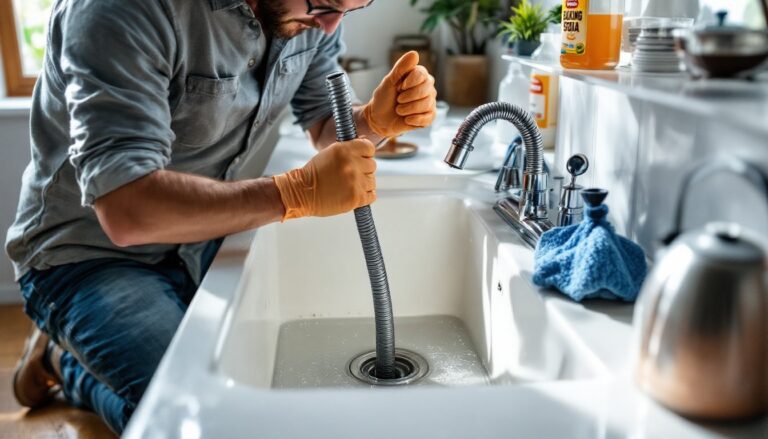
Before investing in professional services, try these tested methods. Both are low-risk, use household items or inexpensive tools, and work on most common clogs. Start with the least invasive option, hot water and plunger, then progress to chemical-free solutions.
Using A Plunger And Hot Water Method
This is your first line of defense for slow drains or partial clogs. Fill the sink or tub with 4–6 inches of water, ensuring it covers the plunger cup completely. If you’re clearing a double sink, plug the overflow hole and the second drain with a wet cloth to create proper pressure. Use a standard cup plunger (not a flange plunger, which is designed for toilets). Position it over the drain and push down and pull up vigorously for 15–20 seconds, maintaining contact with the drain opening.
Repeat 5–10 times without lifting the plunger off between strokes. Remove the plunger and check for drainage. If water flows freely, you’re done, flush with hot (not boiling) water to clear debris. If the clog persists, let the water drain on its own and try again after 10 minutes. Boiling water can crack older porcelain and PVC pipes, so use water hot from the tap instead.
Baking Soda And Vinegar Solution
This method works on light organic clogs (hair, soap, food residue) and is completely safe for all pipe materials. Remove standing water from the drain using a cup or wet/dry vacuum, you need dry access to the drain opening. Pour 1 cup of baking soda directly down the drain, then follow with 1 cup of white vinegar. The mixture will fizz and bubble, which helps break apart the clog.
Immediate cover the drain opening with a drain plug or wet cloth to contain the reaction and push it downward. Wait 30 minutes, then flush with hot water. For stubborn clogs, repeat the process or let it sit overnight. This approach is gentler on pipes than chemical drain cleaners, which contain caustic compounds that damage older cast-iron and galvanized pipes common in Philadelphia homes. If the clog clears partially but water still backs up, you may need professional assessment.
When To Call A Professional Drain Cleaning Service
Know your limits. If DIY methods fail after two attempts, or if you notice recurring clogs in the same drain, professional help is warranted. Recurring issues signal a deeper problem, tree root intrusion, pipe collapse, or mineral buildup, that won’t resolve with plunging or baking soda.
Also call a professional if multiple drains back up simultaneously (a sign of a main line clog), if you smell sewage, or if water pools in your yard or basement. These indicate problems beyond the accessible trap and require video camera inspection to diagnose. A licensed plumber can identify whether the issue is preventable (grease, hair) or structural (roots, cracking pipes).
Professional drain cleaning services use equipment like motorized drain augers or hydro-jetting machines that dislodge debris and clear pipes far more thoroughly than DIY methods. According to pricing data for drain cleaning services in Philadelphia, costs typically range from $150–$400 for standard service calls, though main line cleanings or those requiring professional drain cleaning guidance can run higher depending on severity. Getting estimates from local contractors helps you budget and compare service options before committing.
Preventing Future Drain Problems
Prevention is cheaper and easier than emergency clearing. Install drain strainers in all sinks, showers, and tubs, they catch hair and debris before they enter the pipe. Clean strainers weekly: it takes 30 seconds and prevents buildup.
For kitchen drains, never pour grease down the sink. Let it cool in the pan, then wipe it into the trash or a container for disposal. If grease does go down the drain, follow it immediately with hot water and dish soap, then flush with more hot water. This keeps it flowing rather than solidifying inside the pipe.
Flush toilets with only human waste and toilet paper. Wipes, floss, paper towels, and cotton swabs cause backups. Run cold water for 10 seconds after flushing to move waste through the system efficiently.
Trim or remove trees with aggressive roots near your sewer line, especially willows and poplars. If you’re unsure whether tree roots are a risk, a plumber can run a camera inspection (typically $200–$300) to assess your underground pipes. Finally, schedule annual professional maintenance if your home is older or has a history of clogs, it’s far less expensive than emergency service calls and gives you peace of mind.
Conclusion
Clogged drains are frustrating, but most are solvable with basic tools and patience. Start with hot water and a plunger, then try baking soda and vinegar if needed. Recognize when a professional is necessary, recurring clogs, multiple backups, or sewage smells demand expert assessment. Prevent future problems by using strainers, managing grease, and being mindful of what goes down your drains. When you’re ready to explore professional options or plan larger home projects, home improvement platforms can connect you with vetted contractors in your area. A few preventive habits now will save you time, money, and stress down the road.