A clogged drain is one of those annoyances that always hits at the worst time, backed-up water in the kitchen sink right before dinner, or a slow-draining shower that turns a quick rinse into a cold soak. Auburn homes, like properties throughout the Pacific Northwest, deal with drain issues regularly due to older plumbing infrastructure, mineral deposits from hard water, and the inevitable buildup of hair, soap, and food debris. The good news? Many drain problems can be prevented or resolved without calling a plumber, saving you time and money. This guide walks you through common drain issues in Auburn homes, practical DIY solutions you can tackle yourself, and when it’s time to bring in a professional.
Table of Contents
ToggleKey Takeaways
- Auburn’s older plumbing infrastructure, hard water deposits, and common debris buildup make drain cleaning a frequent necessity that can often be resolved with DIY methods before calling a professional.
- Plungers, plumbing snakes, boiling water, and the baking soda-vinegar combination are effective and safe drain cleaning solutions for Auburn homeowners that cost under $25 and won’t damage aging pipes.
- Multiple drains draining slowly, sewer smells, gurgling sounds, or yard pooling indicate deeper blockages requiring professional drain cleaning services, which typically cost $150–$400 for standard jobs.
- Installing mesh drain strainers, avoiding grease buildup, and monthly baking soda-vinegar maintenance prevent most clogs and can extend the life of your plumbing by years.
- Tree root intrusion in older Auburn homes requires professional excavation and sewer camera inspection ($150–$300) to prevent costly $5,000–$15,000 repairs, making periodic inspections every 5 years a smart investment.
Common Drain Problems In Auburn Homes
Auburn’s older neighborhoods mean many homes have cast-iron or galvanized steel drain lines that corrode over decades, creating rough interior surfaces where debris catches. Mineral buildup is another culprit, hard water leaves calcium and magnesium deposits that narrow pipe openings and restrict flow. Hair is the most frequent residential clog, especially in bathroom drains: a single shower can shed 50–100 hairs, and they mat together with soap scum into stubborn blockages.
Kitchen drains suffer differently. Grease solidifies as it cools and sticks to pipe walls, trapping food particles and creating a cement-like obstruction. Roots from nearby trees can also penetrate older clay or cracked PVC pipes, especially during Auburn’s rainy season when soil stays moist. Most homeowners don’t notice root intrusion until water backs up into the house or pooling appears in the yard, by then, the problem requires excavation and professional repair. Slow drains aren’t always total blockages: sometimes they’re just partial restrictions that get worse over time if ignored.
DIY Drain Cleaning Methods That Work
Before you reach for harsh chemical drain cleaners, try mechanical and natural methods first. They’re safer, gentler on older pipes, and often just as effective.
The plunger is your first line of defense. For sink drains, fill the basin with a few inches of water, cover the overflow hole (if there is one) with a wet cloth, and plunge vigorously for 15–20 seconds. For double sinks, block the second drain while you work. Repeat 5–10 times. For toilets, use a flange plunger (the one with the rubber cup that unfolds), and again, plunge hard and fast. The key is creating pressure changes that dislodge the clog.
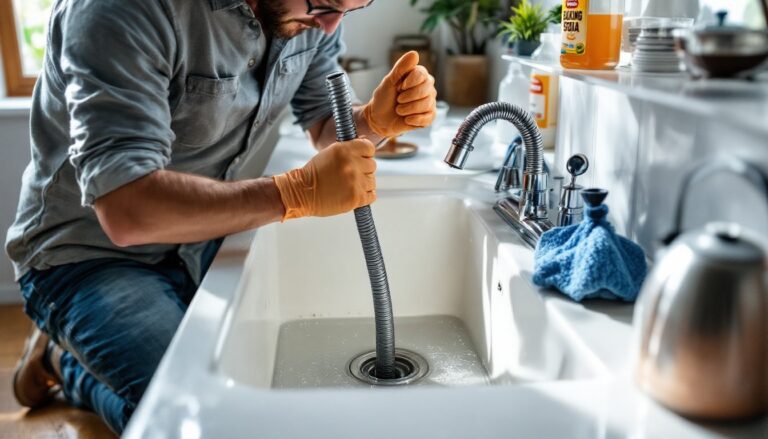
A plumbing snake or hand auger (a coiled metal cable, typically 25–50 feet) can reach deeper clogs. Feed it slowly into the drain, turning the handle clockwise when you feel resistance. Most hardware stores rent them for $15–$25 per day if you don’t own one. Be gentle, too much force can damage pipes, especially in homes with older plumbing.
Boiling water works wonders for grease clogs in kitchen drains. Heat a kettle of water until it’s at a rolling boil, carefully pour it down the drain in a slow stream, and let it sit for a few minutes. The heat melts grease and flushes debris. Never pour boiling water into a drain with a clog already formed, it can trap and heat the blockage, potentially damaging plastic pipes. Always allow water to cool slightly (around 190°F) before pouring.
Using Baking Soda And Vinegar
This combination is popular for good reason, it’s safe, inexpensive, and mildly abrasive. Pour 1 cup of baking soda directly into the drain, then follow with 1 cup of white vinegar. The mixture fizzes and bubbles, mechanically dislodging debris and deodorizing the pipe. Cover the drain opening with a wet cloth or plunger to keep the reaction inside the pipe where it does work. Let it sit for 30 minutes, then flush with hot (not boiling) water.
For tougher jobs, repeat the process twice. This method won’t dissolve thick grease or tree roots, but it’s excellent for hair clogs and general maintenance. If you want extra scrubbing action, mix the baking soda with water to form a paste, stuff it into the drain first, then pour the vinegar. You can also add a few drops of dish soap to help break down light grease before the baking soda and vinegar step.
Chemical drain cleaners (like sodium hydroxide or sulfuric acid products) are a last resort in DIY territory. They’re caustic, dangerous to skin and eyes, and can damage older cast-iron or PVC pipes if left too long. If you do use them, follow the label exactly, wear heavy gloves and goggles, and ensure good ventilation. Many pros avoid them on older Auburn homes for fear of pipe damage.
When To Call A Professional Drain Cleaner
Some clogs are beyond DIY fixes. If you’ve tried plunging, snaking, and the baking soda–vinegar method and water still backs up, it’s time for a professional.
Call a drain cleaning service if you notice sewer smell, gurgling sounds from drains, or water pooling in the yard, these suggest a deeper blockage or a broken sewer line, not a simple kitchen-sink clog. Multiple drains draining slowly at once is another red flag: it indicates a problem in the main line, not individual branch drains. According to resources like top drain cleaning services in Auburn, professional cleaners use video inspection cameras to diagnose exactly where the blockage is and how severe it is, so they won’t waste your money on unnecessary work.
Tree root intrusion requires professional excavation and often a new section of drain line, definitely a licensed plumber’s job. If your home is older than 50 years and you’ve never had the sewer line inspected, a pro camera inspection ($150–$300) is cheap insurance against a $5,000+ dig-up later.
For estimates, platforms like HomeAdvisor let you compare local drain specialists by reviews and pricing. Typical professional drain cleaning runs $150–$400 depending on severity and location. Hydro jetting (high-pressure water jets that blast debris out of pipes) costs more but is extremely effective for stubborn buildup and doesn’t damage pipes if done correctly.
Preventing Drain Clogs In Your Auburn Home
Prevention beats emergency calls every time. Start with screens and stoppers: install mesh drain strainers in sinks and showers to catch hair and food particles. Empty them weekly, it takes 10 seconds and prevents months of slow-draining headaches. Cost is under $10 per drain.
In the kitchen, never pour grease down the sink. Let it cool and solidify in a container, then throw it away. Use a drain catch basket to trap food scraps before they enter the line. Wipe plates and pans before washing. If grease goes down anyway, follow with hot water and a bit of dish soap to help it flow further before it hardens.
Maintain drains monthly with baking soda and vinegar, treat it like brushing your teeth. This keeps mineral deposits soft, prevents odors, and catches minor clogs before they become problems. In Auburn’s hard-water areas, a whole-house water softener significantly reduces mineral buildup in pipes, extending the life of your plumbing. Installation runs $1,000–$2,500, but it also protects water heaters and appliances.
For bathroom drains, pull hair traps weekly (they’re usually accessible without tools). In older homes with cast-iron drain stacks, be aware that tree roots slowly work their way in, if you have tall trees within 10 feet of the house, plan a professional sewer camera inspection every 5 years. Resources like ImproveNet can help you find local contractors and get cost estimates for preventive work. Addressing a small root blockage now costs $300–$500: waiting until the line splits costs $8,000–$15,000.
Conclusion
Clear drains start with smart habits and quick action on slow flow. Use the methods outlined here for routine maintenance and minor clogs, invest in screens and strainers, and don’t ignore signs of deeper trouble. Auburn homeowners with older plumbing should schedule professional inspections periodically, prevention and early diagnosis save money and stress in the long run.