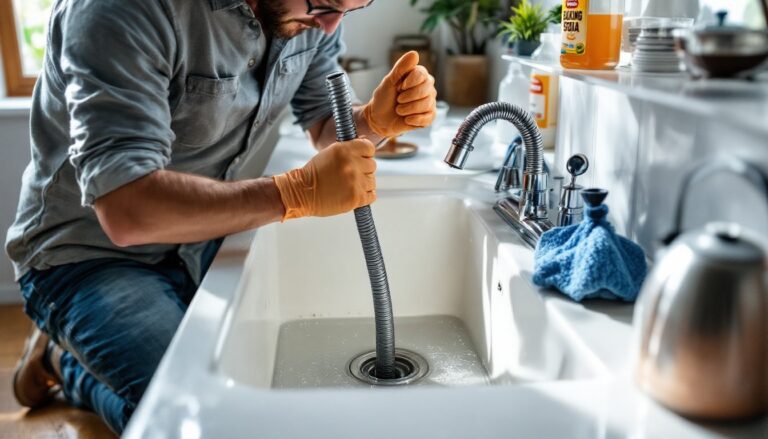
A slow drain might seem like a minor annoyance, but in Plano homes, where mineral buildup, hair, and tree roots often conspire to block pipes, small problems quickly become costly repairs. Whether you’re dealing with a backed-up kitchen sink or standing water in the shower, understanding your drain cleaning options in Plano, TX will help you decide between tackling it yourself or calling a professional. This guide walks you through the signs of trouble, the methods available, and what to expect from professional drain cleaning services so you can keep your plumbing running smoothly.
Table of Contents
ToggleKey Takeaways
- Single slow drains often respond to DIY methods like plungers or drain snakes, but multiple fixtures draining slowly or recurring clogs require professional drain cleaning in Plano, TX to diagnose deeper issues.
- Professional drain cleaning services use video inspection, motorized augers, and hydro-jetting to address problems that DIY tools can’t—including tree roots, mineral buildup, and grease accumulation—preventing costly future damage.
- Plano’s subtropical climate, hard water, and aging infrastructure create unique drain challenges; mineral deposits, tree root intrusion, and corroded cast-iron pipes are common issues that demand professional attention.
- Expect to pay $150–$400 for professional drain cleaning, which is far less than the $3,000–$10,000 cost of emergency sewer line repairs or excavation.
- Prevent future drain problems with simple maintenance: use drain screens, avoid pouring grease down drains, flush only toilet paper, and schedule routine hydro-jetting every 18–24 months if you have older pipes.
Why Professional Drain Cleaning Matters for Plano Homeowners
Plano’s subtropical climate and aging infrastructure mean drains face unique challenges. Hard water deposits accumulate faster here than in softer-water regions, mineral-rich soil can intrude through cracks, and seasonal rainfall puts pressure on older sewer lines. A simple clog might be a symptom of deeper issues, like tree roots penetrating cast-iron pipes or corroded sections that need replacement.
Professional drain cleaning in Plano, TX goes beyond the plunger. Certified technicians use video inspection to see exactly what’s blocking your line, then select the right tool: a motorized auger for hair and grease, hydro-jetting for stubborn buildup, or specialized extraction for roots. This precision prevents you from damaging pipes with brute force and catches problems before they turn into emergency repairs that cost thousands.
Doing it yourself might save money short-term, but misdiagnosed clogs or inadequate clearing often leave you right back where you started, or worse, with a leaking pipe under your foundation.
Signs Your Drains Need Professional Attention
Don’t wait for raw sewage backing into your bathtub. Watch for these red flags:
• Slow drainage across multiple fixtures. If the kitchen sink, bathroom sink, and shower all drain sluggishly at the same time, the clog is likely in the main line, not a branch line. This demands professional diagnosis.
• Recurring clogs in the same spot. If you’re plunging the toilet every two weeks, something deeper is wrong, tree roots, a misaligned pipe joint, or collapsed section.
• Gurgling sounds from drains or toilets, especially when washing clothes or running the dishwasher. This signals air trapped by a blockage.
• Sewage smell indoors or in your yard. A broken or severely blocked sewer line isn’t a DIY fix.
• Water pooling in your yard, soggy patches, or unusually green grass above the sewer line. These point to a leak or break.
• Multiple plumbing backups in older homes (pre-1970s). Cast-iron lines deteriorate, and roots love the joints.
One slow drain in one bathroom? That’s often fixable with a plunger or a $10 drain snake. Multiple symptoms or recurring trouble? Time to call a pro.
DIY Drain Cleaning Methods vs. Professional Services
DIY approaches work for minor clogs:
A standard plunger ($8–$20) can clear simple blockages close to the drain. Fill the sink, seal overflow holes, and plunge hard and fast for 15–20 seconds, then check. A manual drain snake (auger) costs $10–$25 and works reasonably well for hair clogs in bathroom drains. Feed it slowly, rotate the crank, and pull back to snag debris. Chemical drain cleaners like Drano or Liquid-Plumr ($3–$8) dissolve soft blockages but are harsh, wear gloves and ensure ventilation. Never mix them with other cleaners.
These DIY methods fail when:
The clog is deep in the main line or caused by tree roots, grease buildup is severe, you can’t reach the blockage, or the drain is already damaged. Aggressive snaking can puncture old pipes. Chemical cleaners don’t work on solid obstructions and can eat through certain plastic pipes if left too long.
When to Call a Professional
A professional drain cleaning service in Plano brings motorized augers that rotate at 500+ RPM, hydro-jetting equipment that shoots water at 4,000+ PSI to scour pipes clean, and, crucially, camera inspection to see what’s actually blocking the line before they touch it. A guide to drain cleaning services in Plano, TX with homeowner reviews can help you pick a reputable service. Expect to pay $150–$400 for a standard main-line cleaning, more if roots are involved or if the job requires excavation. Call a pro immediately if you suspect roots, a broken line, or sewage backup.
Common Drain Problems in Plano Homes
Plano’s plumbing headaches are largely regional:
Hard water mineral buildup. Plano’s water has moderate to high mineral content. Over time, limestone and calcium deposits narrow pipe diameter, slowing flow. This shows up first in hot-water lines and in older galvanized steel pipes. Hydro-jetting removes these deposits: chemical treatments can help prevent recurrence.
Tree root intrusion. Plano’s mature trees love moisture. Roots seek out small cracks in clay or cast-iron sewer lines and wedge themselves in, growing over months into solid blockages. You’ll notice slow drains year-round, worse after heavy rain. Professional tools can cut roots back, but a severely invaded line may need partial replacement, a job requiring a permit and excavation.
Grease and soap buildup. Kitchen drains clog when grease cools and solidifies, trapping hair and food scraps. Bathroom drains accumulate soap scum and hair. Both respond to hydro-jetting. Prevention is easier: pour grease into a container and let it cool, wipe dishes before washing, and use drain screens.
Aging cast-iron pipes. Many Plano homes built before 1980 have cast-iron drains or sewer lines. These corrode from the inside, developing rough patches where debris catches, or small breaks where tree roots enter. Video inspection confirms the damage: sections may need replacement.
What to Expect From a Professional Drain Cleaning Service
A reputable drain cleaning company in Plano follows a standard process:
1. Initial assessment. The technician listens to your problem and asks when it started, whether it’s in one drain or multiple, and if you’ve already tried fixes. They’ll inspect accessible drains and the cleanout (the capped pipe, usually in the basement or yard, that gives access to the main sewer line).
2. Video inspection. Most pros today push a small waterproof camera through the line to see the clog, its location, and the pipe’s condition. This takes 30–60 minutes and costs $100–$200 but prevents guessing. You get a report (often on USB or email) showing exactly what they found.
3. Clog removal. Based on the video, they choose the method: motorized auger for tree roots or solid debris, hydro-jetting for grease and mineral deposits, or extraction for foreign objects. This usually takes 1–3 hours.
4. Post-cleaning inspection. They’ll run water through to confirm the line drains freely. Home improvement cost estimators can help you budget for various scenarios.
5. Prevention advice. A professional will recommend follow-up maintenance: annual cleaning if you have slow drains, root barriers if tree encroachment is the issue, or water softening if mineral buildup is your problem.
Be wary of companies that quote over the phone without inspection, guarantee permanent fixes (clogs return), or insist on replacing pipes before showing video evidence.
Preventing Future Drain Issues
Smart maintenance cuts your risk of expensive clogs:
• Use drain screens in sinks and showers. They cost $2–$5 and catch hair before it goes down.
• Don’t pour grease down the kitchen drain. Let it cool in a can and trash it, even “drain-safe” products build up over time.
• Flush only toilet paper and human waste. Flushable wipes, feminine products, and cotton balls are leading clog culprits.
• Run hot water after every use (helps prevent grease solidification).
• Install a water softener if you’re on a well or have hard water and mineral buildup is a recurring issue. Softeners run $500–$2,500 installed but extend pipe life.
• Consider a sump pump upgrade if you’re in a flood-prone area: standing water accelerates pipe corrosion.
• Get a routine cleaning every 18–24 months if you have older pipes or a history of clogs. DIY repair tutorials can walk you through simple preventive steps like clearing P-traps, but a professional hydro-jetting every couple of years costs less than emergency repairs.
• Locate and protect your cleanout so a plumber can access it quickly if needed. Mark it or keep it above-ground and accessible.
Small actions prevent the $3,000–$10,000 bill for a collapsed sewer line or emergency excavation.
Key Takeaways
Drain problems in Plano are common but manageable with the right approach. Single clogs often respond to a plunger or drain snake, but recurring blockages, sewage smell, or water backing up into multiple fixtures demand professional inspection and hydro-jetting. Video diagnosis is worth the upfront cost, it tells you exactly what you’re dealing with and whether you need simple cleaning or a pipe replacement. Beyond the fix, preventive habits (screens, no grease, routine maintenance) save far more than they cost. If you’re unsure whether to DIY or call a pro, a quick phone consultation with a local drain cleaning service in Plano, TX can clarify your situation and rule out serious underlying problems.