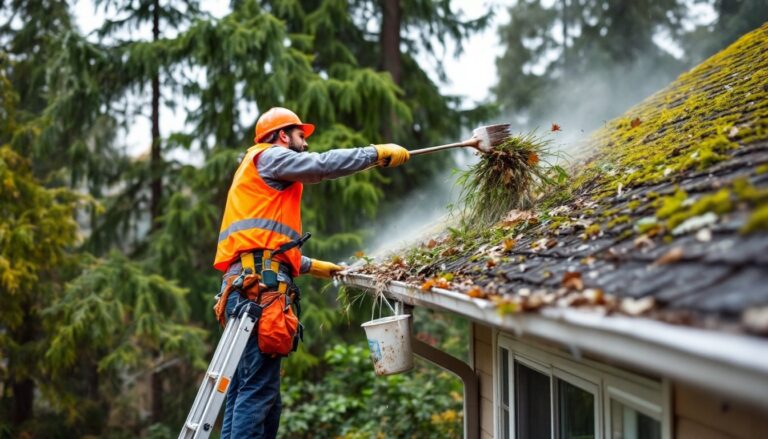
Dallas’s hot, wet summers and occasional heavy downpours put extra stress on your home’s drainage system. When gutters get clogged with leaves, dirt, and debris, water backs up and can damage your roof, siding, and foundation, expensive problems that start with a simple gutter cleaning neglect. Whether you’re a hands-on homeowner or prefer outsourcing the job, understanding your gutter maintenance needs is critical to protecting your investment. This guide walks you through why gutter cleaning matters in Dallas’s unique climate, when to do it, and how to tackle the work yourself or know when to call in a pro.
Table of Contents
ToggleKey Takeaways
- Regular gutter cleaning in Dallas prevents expensive water damage to roofs, siding, and foundations by ensuring water flows freely away from your home.
- Clean your gutters twice yearly—spring (March–April) and fall (October–November)—with an optional mid-summer check if you have heavy tree coverage, which is critical for Dallas’s subtropical climate with 37 inches of annual rainfall.
- DIY gutter cleaning requires proper safety equipment including an extension ladder, gutter scoop, work gloves, and most importantly a spotter to prevent falls, the most common DIY injury.
- Professional gutter cleaning services in Dallas cost $200–$500 and are recommended for two-story homes, heavy tree coverage, or if you’re over 65 or have mobility concerns.
- Prevent future clogs by installing gutter guards (reduces debris by 70–90%), trimming overhanging tree branches 6–10 feet back, and ensuring downspouts direct water at least 4–6 feet from your foundation.
Why Gutter Cleaning Matters In Dallas’s Climate
Dallas sits in a subtropical climate with specific weather patterns that make gutter maintenance non-negotiable. The city gets around 37 inches of rain annually, with significant downpours during spring and early summer thunderstorm season. When gutters clog, that water has nowhere to go except over the edge, pooling around your foundation and seeping into basements or crawl spaces.
The real damage happens over time. Standing water in gutters becomes a breeding ground for mold, rust, and pest infestations. More immediately, the weight of trapped debris and water can sag your gutters away from the fascia board, breaking the hangers and creating visible gaps. If water spills behind the gutter, it rots the fascia, soffit, and even the roof edge, repairs that run into thousands of dollars.
Dallas’s heat and sun also accelerate gutter deterioration. UV exposure breaks down sealants and weakens metal, while thermal cycling (hot days, cool nights) causes expansion and contraction that loosens fasteners. Combine that with the city’s occasional ice storms, and you’ve got freeze-thaw cycles that can split gutters or pull them loose from the house. Regular cleaning keeps debris from accumulating, water flowing freely, and your gutters actually attached to your home where they belong.
When To Clean Your Gutters: Seasonal Timing Tips
Dallas’s four-season weather means gutter cleaning isn’t a one-and-done task. The standard recommendation is twice yearly, spring and fall, but Dallas’s specific climate calls for a slightly adjusted schedule.
Spring (March–April): After winter, inspect gutters for winter damage, then clean out the debris and pollen that accumulates during the dry season. With heavy rain season approaching (May–June), you want gutters in peak condition.
Summer (June–August): If you have large oak or pecan trees near your home, a mid-summer cleanup can prevent massive clogs during July and August when those trees shed heavily. This isn’t always necessary, but it’s cheap insurance against catastrophic overflow during a summer downpour.
Fall (October–November): This is the big one for Dallas. Trees shed leaves starting in September and lasting through November. If you skip this cleaning, you’re asking for trouble when winter rain hits. Fall is when most homeowners see gutters fill up fastest.
Winter (December–February): Usually lighter debris, but inspect after ice storms or heavy snow. If you experience an unusual freeze, check for ice dams or water backup that signals a clog.
If you have a lot of tree coverage, consider adding a quick quarterly check. A five-minute visual inspection beats discovering a $2,000 fascia replacement. Also, don’t clean gutters during heavy rain, wait for dry weather so you can see what you’re doing and stay safe on the ladder.
DIY Gutter Cleaning: Tools And Step-By-Step Instructions
Essential Tools And Safety Equipment
If you’re cleaning your own gutters, you need the right tools and safety setup. Skimping on either is how people end up in the emergency room.
Tools:
• Extension ladder (20–28 feet depending on home height: aluminum is lighter than fiberglass but fiberglass won’t conduct electricity near power lines)
• Gutter scoop or narrow hand shovel (plastic or metal: avoids sharp gutter edges)
• Stiff brush (for stubborn debris and algae)
• 5-gallon bucket with rope or carabiner to hang from ladder rung
• Garden hose (to flush remaining debris and test flow)
• Work gloves (heavy-duty leather or nitrile, not cloth)
• Safety glasses (debris flies: it’s not optional)
• Second pair of hands (seriously, spotting the ladder and handing you tools saves time and prevents falls)
Safety gear is non-negotiable: Wear closed-toe shoes with good grip (not flip-flops), long sleeves to avoid sun exposure and scratches, and a dust mask if you’re dealing with moldy debris. Ladder falls are one of the most common DIY injuries, so don’t skip the spotter.
How To Clean Your Gutters The Right Way
Step 1: Set up safely. Position your ladder on flat, stable ground. Extend it 3 feet above the gutter line for safe handholds. If the ground is soft or uneven, use a ladder leveling base. Have your spotter hold the ladder base while you’re on it.
Step 2: Scoop, don’t blast. Use your gutter scoop to remove the bulk of leaves and debris. Work from one end toward the downspout, dropping debris into your hanging bucket. This prevents clogging the downspout with a sudden rush of stuff.
Step 3: Brush and flush. After scooping, use a stiff brush to loosen stuck-on dirt, algae, or moss. Rinse everything with a low-pressure garden hose stream (high pressure can damage the gutter interior or seams). Watch where the water goes, it should flow freely toward the downspout without pooling.
Step 4: Clear the downspout. If water backs up, your downspout is clogged. Use a plumbing snake or garden hose with a nozzle attachment to push debris through. If it’s really stuck, you might need a pressure washer or wet vac. Test flow with the hose again.
Step 5: Check for damage. Once clean and wet, look for sagging, rust spots, separated seams, or missing hangers. These are signs that a professional inspection is needed.
The whole job typically takes 2–4 hours depending on how dirty the gutters are and how many linear feet you have. Budget for that and don’t rush, falling off a ladder isn’t worth saving a couple hours.
When To Call A Professional Gutter Cleaning Service
Not every homeowner should climb a ladder. If any of these apply to you, hire a professional gutter cleaning service.
Physical limitations: If you’re over 65, have mobility issues, or haven’t climbed a ladder in years, don’t start now. A fall from a 20-foot ladder causes serious injuries. Professional crews do this daily and have insurance.
High or complex roofs: If your home is a two-story with steep pitch, or if the gutters are difficult to access, pros have extension ladders, safety harnesses, and equipment you don’t have in your garage.
Debris-packed gutters: If it’s been years since the last cleaning and gutters are clogged solid, the job is physically harder and slower. Pros have wet vacs and pressure equipment that speed things up.
Tree-heavy properties: If your roof is buried under oak and pecan trees, cleaning becomes a frequent, ongoing task. Bundling gutter cleaning with other seasonal maintenance (pressure washing, HVAC filter changes) through a service can be more cost-effective than doing it yourself four times a year.
Gutter damage or repairs needed: If you notice rust, sagging, or separated seams, a professional can assess whether the gutter system needs repair or replacement. Many gutter cleaning pros in Dallas also offer repair and minor maintenance.
Cost for professional gutter cleaning in the Dallas area typically runs $200–$500 for an average single-family home, depending on home size, gutter condition, and difficulty of access. It’s an investment in safety and property protection. Many companies offer annual or semi-annual contracts at a slight discount, which makes sense if you’ve got lots of trees.
Preventing Future Gutter Problems
Once your gutters are clean, a few preventative steps reduce future maintenance headaches.
Install gutter guards: Screens, foam inserts, or reverse-curve covers reduce debris accumulation by 70–90%. They’re not perfect, fine pollen still gets through and can form a mat, but they cut your cleaning frequency from twice a year to once or even less. Cost ranges from $8–$15 per linear foot installed, depending on type and brand.
Trim tree branches: If trees hang over your roof, trim branches 6–10 feet back. This alone cuts debris volume dramatically. It’s not a one-time job, you may need to trim every few years, but it pays for itself in reduced gutter cleaning.
Ensure proper slope: Gutters should slope slightly (1/8 inch per 10 feet) toward downspouts so water doesn’t pool. If you notice standing water after rain, the gutter may need realignment. This is a pro job if your gutters are older or if sagging is severe.
Direct downspout water away: Downspouts should terminate at least 4–6 feet from your foundation or use an extension or splash block to direct water away. Standing water near the foundation invites basement leaks and foundation settling. This is non-negotiable in Dallas where heavy rain is common. Platforms like HomeAdvisor have guides on proper drainage setup and can connect you with contractors if you need help planning that system.
Consider a professional inspection: If your home is older or you’re unsure about gutter condition, hire a pro to inspect the system and fascia board for rot or damage. Caught early, these repairs cost a fraction of what they cost when they fail.