A clogged drain backed up with years of buildup isn’t something you can always snake away. Sometimes tree roots have grown into your sewer line, or mineral deposits and grease have calcified inside your pipes to the point where a plunger won’t cut it. That’s where hydro jetting comes in, a powerful, pressurized water method that blasts away stubborn clogs and buildup far more effectively than traditional drain cleaning tools. This guide walks you through how it works, when to call a pro versus tackling minor issues yourself, and what you should expect to pay.
Table of Contents
ToggleKey Takeaways
- Hydro jetting uses high-pressure water (1,500–4,000 PSI) to completely disintegrate clogs, tree roots, and mineral buildup rather than just punching a temporary hole like traditional snakes.
- A CCTV camera inspection is essential before hydro jetting to confirm your pipes can handle the pressure and avoid costly damage to older clay or cast-iron lines.
- Hydro jetting drain cleaning typically costs $300–$600 for residential sewer lines, plus $100–$150 for the initial camera inspection, depending on clog severity and pipe accessibility.
- For minor clogs, try DIY solutions first: use a plunger, drain snake, or the baking soda and vinegar method instead of caustic chemical cleaners.
- Professional hydro jetting is the best choice when multiple drains back up, the same drain clogs repeatedly, or tree roots invade your sewer line, as it prevents future clogs by cleaning all pipe surfaces.
- Hydro jetting is environmentally safe, septic-system friendly, and can extend the lifespan of older pipes by removing corrosive buildup and improving water flow.
What Is Hydro Jetting and How Does It Work
Hydro jetting uses a pressurized stream of water, typically between 1,500 and 4,000 PSI (pounds per square inch), to scour the inside of your drainpipes. A technician feeds a specialized nozzle attached to a long hose down into your drain or sewer line. The nozzle releases water jets at high velocity in multiple directions, breaking apart clogs, tree roots, mineral buildup, and years of accumulated sludge.
The process starts with a camera inspection (a CCTV sewer line inspection) so the technician can see exactly what’s blocking the line and confirm the pipe material and condition. Once they know what they’re dealing with, they thread the jetting hose down the drain. The high-pressure water doesn’t just push debris downstream, it actually disintegrates and flushes it out of the pipe, leaving the interior surfaces clean.
Where a conventional drain snake might punch a temporary hole through a clog, hydro jetting removes the obstacle entirely. It’s especially useful for grease buildup in kitchen drains, mineral scale in hard-water areas, and tree root intrusions in sewer lines. The downside: the procedure requires professional equipment and expertise, and it’s not suitable for fragile or older PVC pipes without a pre-inspection.
When to Call a Professional vs. DIY Alternatives
Signs Your Drains Need Hydro Jetting
If water backs up slowly in multiple drains throughout your home, you likely have a main sewer line blockage. Repeated clogs in the same drain year after year, even though snaking, often signal buildup that’s accumulated beyond the reach of a plunger or basic snake. You might also notice soggy patches in your yard or a persistent sewage smell, signs that tree roots have invaded your sewer line. These are all red flags pointing toward hydro jetting as the right solution.
A professional sewer line inspection will confirm what’s actually in there and whether your pipes can handle the pressure. Older clay or cast-iron lines sometimes have cracks or corrosion: blasting them with 3,000 PSI could cause further damage. That’s why the camera inspection is non-negotiable, it’s a 50–150 dollar investment that prevents costly mistakes.
Safer DIY Options for Minor Clogs
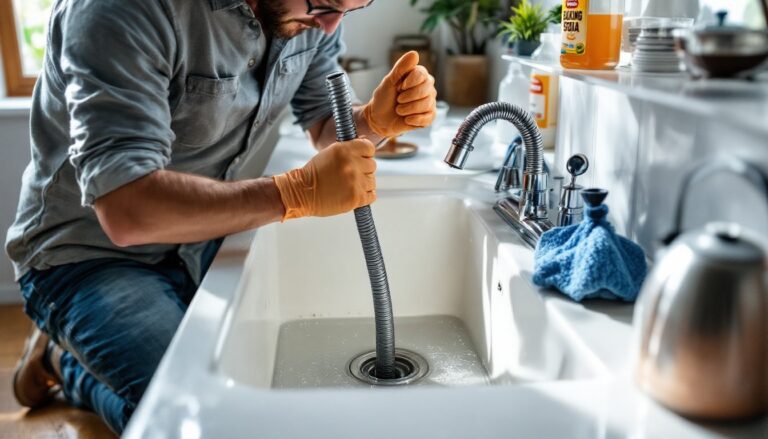
Not every clog warrants a professional call. A single slow drain in a bathroom sink or a kitchen sink with standing water from grease can often be tackled at home first. Start with a plunger, a simple cup plunger works for minor blockages in sinks or toilets. For deeper clogs, a basic drain snake (available at any hardware store for 20–50 dollars) lets you physically retrieve hair, food, or soap buildup.
Chemical drain cleaners are tempting but avoid them. They’re caustic, dangerous, and often ineffective on stubborn clogs. A safer alternative: pour boiling water down the drain to soften grease, follow up with a half-cup of baking soda, then a half-cup of white vinegar, let it sit for an hour, and flush with hot water. This works for minor grease and organic buildup.
For kitchen drains specifically, remove the P-trap (the curved pipe under the sink), clean it by hand, and reassemble it. Wear rubber gloves, have a bucket handy for spillage, and confirm your water shutoff valve works before opening any pipes. If you’re not comfortable working with plumbing, it’s absolutely okay to call in a professional, there’s no shame in that.
The Benefits of Hydro Jetting for Your Home
Hydro jetting clears drains more thoroughly than mechanical snaking because it removes buildup from all sides of the pipe, not just punching a hole through the center. Once the line is clean, water flows faster and future clogs are less likely because grease and mineral deposits aren’t re-accumulating on a gunked-up surface. For homeowners with recurring drain problems, this translates to fewer service calls down the road.
The method is also environmentally friendly, it uses only water, no chemicals. If you have a septic system, hydro jetting is gentler on your tank’s bacterial colony than chemical treatments. The procedure can extend the lifespan of older pipes by removing corrosive buildup and improving flow, which reduces strain on the system.
For tree root infiltration in sewer lines, hydro jetting buys you time. It clears the roots immediately, restoring proper drainage. But, understand that it doesn’t permanently stop roots, they’ll return. Contractors often follow hydro jetting with a root-killing chemical treatment to slow regrowth, but a permanent solution typically requires pipe replacement, which is a separate conversation with your plumber.
Technicians at Family Handyman and similar resources often recommend hydro jetting for old homes where sewer lines have accumulated decades of buildup, because it’s less invasive than excavation and replacement.
Cost Considerations and What to Expect
A hydro jetting service typically costs between 300 and 600 dollars for a residential sewer line, though prices vary widely by region and pipe length. If the blockage is close to the house and easily accessible, you’ll pay less. If the technician has to go 50+ feet down a long sewer line, expect to pay more. Emergency or after-hours service carries a premium.
Before quoting, most companies charge 100–150 dollars for a camera inspection. Some contractors waive this fee if you hire them for the jetting: others credit it toward the full service. Always get a written estimate upfront.
Factors that affect price include the severity of the clog, pipe material (modern PVC is safe for high-pressure water: older clay or cast iron may not be), your location, and local labor rates. Colorado and surrounding areas have competitive rates, but urban centers can be pricier. HomeAdvisor cost estimators can give you a ballpark figure for your zip code, though final costs depend on your specific situation.
Don’t skip the inspection to save money. A technician who doesn’t look before jetting risks damaging pipes that aren’t equipped to handle the pressure. A fractured or collapsed pipe will cost thousands to repair, making that initial camera inspection a bargain.
Conclusion
Hydro jetting is a powerful solution for stubborn clogs and buildup that plungers and snakes can’t handle. It’s not a DIY project, it requires professional equipment, training, and a camera inspection to do safely. But, knowing when you need it versus when a plunger will do saves you time and money. Start with simple methods for minor clogs, but don’t hesitate to call a professional when water backs up throughout your home or the same drain clogs repeatedly. A qualified plumber will inspect your lines, explain your options, and give you an honest assessment of whether hydro jetting makes sense for your situation.