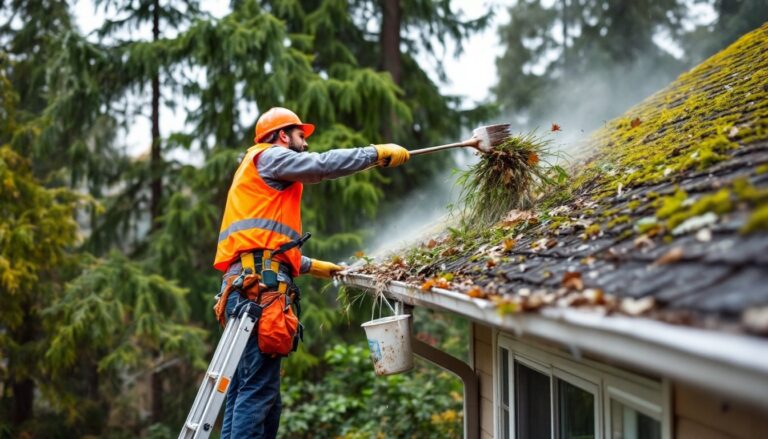
Gutters might not be glamorous, but they’re doing serious work on your San Ramon home. Without proper gutter cleaning and maintenance, water backs up, overflows, and starts eating away at your fascia, soffit, foundation, and landscaping. The dry California summers and occasional heavy rains mean San Ramon homeowners need to stay on top of gutter upkeep year-round. This guide walks you through why gutter cleaning matters, how to spot trouble, and whether you should tackle the job yourself or call a professional.
Table of Contents
ToggleKey Takeaways
- Regular gutter cleaning in San Ramon prevents costly water damage to your foundation, fascia, and landscaping by ensuring proper drainage year-round.
- Clean your gutters twice annually—once in late fall after leaf drop and again in spring—to address the region’s dry summers and heavy winter rains.
- Watch for warning signs like overflowing water, sagging sections, rust spots, and water stains, which indicate immediate attention is needed.
- DIY gutter cleaning requires proper safety gear (ladder, gloves, glasses), a helper, and a systematic approach: remove debris, flush with water, clear downspout clogs, and inspect for damage.
- Hire a professional gutter cleaning service if your home is 3+ stories, gutters have heavy buildup, you’re uncomfortable at heights, or structural repairs are needed.
- Install gutter guards during summer to reduce maintenance frequency from twice yearly to once yearly, though guards don’t eliminate the need for periodic cleaning.
Why Regular Gutter Cleaning Matters for San Ramon Homes
Your gutters are the first line of defense against water damage. When leaves, twigs, and debris clog them up, water can’t flow freely toward your downspouts and away from the house. Instead, it pools, backs up under your shingles, and seeps into walls and foundations.
In San Ramon, you get dry stretches followed by winter rains. That cycle makes debris accumulation easy to ignore until it’s too late. Clogged gutters also create standing water, a perfect breeding ground for mosquitoes and a weight hazard for your gutter system. A gutter full of wet leaves and debris can weigh 200+ pounds, which strains fasteners and pulls gutters off their mounting brackets.
Regular cleaning prevents costly repairs. A new gutter system runs $1,500–$5,000+, while foundation repairs after water damage can reach $10,000 or more. Preventative maintenance costs a fraction of that and keeps your home dry and structurally sound. Cleaning twice a year, once in late fall after leaf drop and again in spring, is the standard recommendation for most Bay Area homes.
Signs Your Gutters Need Immediate Attention
Don’t wait for the calendar to remind you. Watch for these warning signs:
- Water overflowing at the edges or ends of gutters, especially after rain
- Visible debris piled up in gutters or hanging from downspouts
- Sagging sections that dip or pull away from the fascia
- Rust spots or holes in metal gutters (aluminum and steel gutters can corrode)
- Water stains on exterior walls below the gutters
- Pooling water around foundation perimeter after rain
- Gutter separation where sections have pulled apart at seams or brackets
If you see water cascading over the edge during a light rain, your gutters are definitely clogged. Even small overflows redirect water toward your foundation and landscaping, so don’t put it off. Holes or rust-through sections mean replacement is coming, patching is temporary and not worth the hassle.
DIY Gutter Cleaning: Step-by-Step Instructions for Homeowners
Tools and Safety Equipment You’ll Need
Before climbing a ladder, gather the right gear. You’ll need:
- Ladder (extension ladder for 2-story homes: 6–8 ft for single-story)
- Work gloves (leather or thick nitrile to protect against sharp edges and metal gutter edges)
- Safety glasses or face shield
- Bucket or gutter scoop
- Trowel or small shovel
- Hose with spray nozzle
- Painter’s tape (optional, to mark problem areas)
- Helper (strongly recommended for stability and safety)
Don’t skip the gloves or glasses. Metal gutters have sharp edges, and you’ll encounter decomposed leaves, bird nests, and critters. Wear long sleeves and pants to minimize cuts and scrapes.
The Cleaning Process and Best Practices
1. Set up safely. Position your ladder on level ground, perpendicular to the gutter run. Have your helper steady it or use a ladder stabilizer. Never overreach: reposition the ladder instead. This prevents falls and reduces strain on your arms.
2. Remove large debris by hand. Starting at a downspout, scoop out leaves, twigs, and buildup with your gloved hands or a gutter scoop. Work away from the downspout first, then finish near it so debris falls toward the opening. Dump material into a bucket as you go.
3. Flush with water. Once large debris is out, use your hose with a spray nozzle set to medium pressure. Start at the far end and spray toward the downspout. This flushes out fine sediment and reveals any blockages or damaged sections. If water backs up and doesn’t drain, your downspout is likely clogged, address that next.
4. Clear downspout clogs. If water pools in the gutter instead of flowing toward the downspout, the downspout is blocked. Gently push a plumbing snake or straightened coat hanger up through the bottom opening of the downspout (from ground level) to dislodge debris. If that doesn’t work, disconnect the downspout section at the elbow and flush it out with a hose from the top.
5. Inspect for damage. Once everything is clean and flowing, look for holes, rust, or separation in seams. Mark problem areas with painter’s tape. Small holes (less than 1 inch) can be sealed with roofing cement or a gutter patch kit: larger sections need replacement.
Timing matters: Clean on a dry, cloudy day when gutters won’t be slippery. Early morning is ideal, you’ll avoid heat, and the sun won’t be in your eyes.
When to Call Professional Gutter Cleaning Services
DIY gutter cleaning works for many homeowners, but some jobs call for a pro. Hire a professional if:
- Your home is 3+ stories tall. Extension ladders become unsafe, and roof pitch increases fall risk.
- Gutters are heavily clogged with built-up sediment or multiple seasons of debris. This requires specialized equipment and is heavy, messy work.
- You have a disability, injury, or health condition that makes ladder work unsafe.
- Gutters need structural repair. Sagging, detached sections, or rusted-through metal require replacement. Improper reinstallation causes leaks.
- You’ve never cleaned gutters before and feel uncomfortable working at height.
- Downspouts are blocked deep underground. Professional plumbers have equipment to flush or replace buried downspout lines.
Professionals bring truck-mounted vacuum systems, articulating poles, and insurance. Top local providers are listed on gutter cleaning services directories, where you can check credentials and customer reviews. Get quotes from at least two companies and ask if they inspect for damage or offer gutter guards as add-ons. Many pros charge $200–$500 per cleaning, depending on home size and accessibility, a fair trade for safety and thoroughness.
Seasonal Gutter Maintenance Tips for San Ramon Weather
San Ramon’s climate presents specific challenges. Dry summers mean dust and pollen accumulate slowly, but late-fall winds fill gutters with oak and pine needles. Winter rains test your system’s drainage capacity, and spring brings new leaf growth.
Fall (September–November): This is peak cleaning time. Leaves drop steadily, and you want gutters clear before heavy November and December rains arrive. If your property has mature trees nearby, a second fall cleaning in late November might be necessary. Trim back branches hanging over the roof and gutters to reduce debris load.
Winter (December–February): Inspect after heavy rains to make sure water drains properly. San Ramon rarely sees ice dams, but check that gutters aren’t sagging under weight from persistent debris and moisture. Ensure downspouts direct water away from the foundation, 6 feet minimum distance is standard.
Spring (March–May): Clean gutters again as new growth sheds pollen and seeds. Pollen buildup combined with damp weather creates a sludgy buildup that restricts flow. Spring is also ideal for repairs, since contractors have good availability before the summer rush.
Summer (June–August): Most of your gutters stay dry. Use this season to plan major work like gutter guard installation or downspout rerouting. If you’re away frequently, consider gutter guards to reduce maintenance burden. Metal or plastic guards don’t eliminate cleaning but cut the frequency from twice yearly to once yearly, a worthwhile tradeoff for many homeowners.
A home maintenance checklist tailored to your region helps you stay on schedule. Set phone reminders or calendar alerts so you don’t forget. Consistency beats heroic effort, two quick cleanings per year beats a massive accumulation every few years.