Spring cleaning isn’t a fixed date on the calendar, it’s a seasonal reset that varies depending on where you live, your climate, and how much accumulated grime your home has gathered over winter. For most homeowners in the northern United States, spring cleaning happens between late March and mid-May, once temperatures climb and you can safely open windows without heating costs spiraling. The timing matters because warmer weather makes deep cleaning faster: surfaces dry quicker, ventilation works better, and you’re not fighting against cold air and condensation. Understanding when spring cleaning fits your region and home condition helps you plan projects efficiently rather than guessing when the “right time” shows up.
Table of Contents
ToggleKey Takeaways
- Spring cleaning typically occurs between late March and mid-May in northern regions, though the exact timing depends on your climate and regional weather patterns rather than a fixed calendar date.
- When is spring cleaning best determined by practical signs like visible dust buildup, mold or mildew growth, and stale indoor air—not the calendar alone.
- Breaking your spring cleaning into a 4–6 week phased approach, starting with high-traffic areas like kitchens and bathrooms, prevents burnout and ensures thorough completion rather than rushing through weekend.
- Warmer temperatures and better ventilation in spring accelerate drying times and surface cleanup, making late March through April the ideal window for most households to open windows and deep clean efficiently.
- Year-round maintenance like monthly gutter cleaning, weekly dusting, and consistent ventilation reduces the scope of spring work and makes seasonal cleaning less overwhelming.
- Southern and milder regions should plan spring cleaning earlier—as soon as February or March—to avoid oppressive heat and humidity that intensifies in May and June.
The Traditional Spring Cleaning Timeline
Historically, spring cleaning began in April when winter stores ran low and families deep-cleaned homes before warm months brought insects and outdoor grime indoors. Today, the timing still revolves around that spring equinox window but often starts earlier due to work schedules and milder winters in many regions.
For most households, late March through April marks the ideal window. By late March, daytime temperatures in northern climates typically hit the 50–60°F range, warm enough to open windows without losing heated air, but cool enough that pollen counts haven’t exploded. Late April and early May work well for deeper projects like carpet shampooing, window washing, or gutter cleaning, when the risk of frost has passed and you won’t need to heat your home again soon.
The reality is that “spring cleaning” isn’t one day: it’s more like a 4–6 week window. Starting your planning in mid-March gives you time to tackle rooms methodically rather than rushing through everything in a single weekend. Rushing leads to skipped prep work and half-finished projects, exactly what derails most DIY efforts.
Regional Variations in Spring Cleaning Timing
Your location matters far more than any calendar date. Someone in Colorado or Minnesota experiences a completely different spring than someone in Florida or the Pacific Northwest.
Climate Factors That Influence Your Cleaning Schedule
In cold northern climates, winter doesn’t truly break until late April or early May. If you’re in Minnesota, Wisconsin, or upstate New York, waiting until mid-April to start planning means you’re realistically looking at May for outdoor-related projects like power washing decks or cleaning gutters filled with last winter’s detritus. Ground and surface temperatures matter too, if your deck is still snow-covered in late March, you’re not starting your cleaning schedule yet, no matter what the calendar says.
In milder regions like the Pacific Northwest or northern California, spring arrives earlier. Cleaning can begin as early as late February because temperatures are already climbing and moisture from winter rain means less dust accumulation outdoors. Colorado front-range homeowners typically fall in the middle: late March to early April is the sweet spot, once the dry winter air has humidified slightly and frost risk drops.
Southern regions like Florida, Texas, and the lower South skip traditional spring cleaning timing entirely. Humidity and heat intensify in May and June, making spring cleaning more practical in March or even February, before the oppressive summer months arrive. Hurricane season and intense afternoon thunderstorms also influence scheduling, coastal homeowners plan differently around storm seasons.
One overlooked factor is interior moisture. Winter heating and spring thaw can trap moisture in basements, attics, and crawl spaces, making April an ideal time to address mold or mildew before summer humidity sets in. If your home experiences this seasonal moisture creep, start your planning around the same time your local weather forecast shows a warm spell and drier conditions.
Signs Your Home Is Ready for a Deep Clean
Forget the calendar. Your home will tell you when it’s ready for spring cleaning.
Visible dust and pollen buildup is the most obvious signal. During winter, homes are sealed tight, and forced-air heating systems circulate dust continuously. By late winter or early spring, windowsills, baseboards, and ceiling fans accumulate a noticeably thick layer. When you can write your name on a shelf, it’s time to start planning.
Mold or mildew spots in bathrooms, basements, or crawl spaces indicate the moisture levels have shifted. Winter’s stagnant humidity often triggers mold growth in these areas, and waiting until summer makes the problem worse. Early spring is when you catch and address it before the space heats up and spores spread.
Stale air in your home is another cue. Open a window for the first time in months and realize how stale your indoor air is? That means your home’s been in full seal-tight mode, and it’s ready for ventilation, deep cleaning, and air circulation. This coincides with when outdoor temperatures make opening windows feasible without compromising indoor heating.
Grime on windows and glass doors becomes glaringly obvious once spring light angles through them. Winter’s lack of direct sunlight hides dirty glass, but by March or April, lower-angle spring sun highlights every smudge and streak. That’s a psychological cue that deep cleaning is due.
Planning Your Spring Cleaning Project
Don’t start spring cleaning without a plan. Most DIYers fail because they begin without prioritizing or breaking the work into phases.
Start by listing rooms in order of priority. High-traffic areas like kitchens and bathrooms should rank higher than guest bedrooms. Kitchens accumulate grease buildup over winter, and bathrooms develop hidden mold. Tackle these first when you’re fresh and motivated.
Second, identify what “spring cleaning” means for your home. Is it cosmetic, dusting, vacuuming, and window washing? Or does it include deeper work like shampooing carpets, sealing grout, or power washing your deck? Cosmetic cleaning can happen over a few weekends: structural or exterior work often requires professional help or renting equipment.
Third, break the work into weekends or phase it across 4–6 weeks. Trying to deep-clean an entire house in one weekend is exhausting and leads to shortcuts. Instead, dedicate one weekend to bathrooms, the next to the kitchen, the next to bedrooms and living areas. This pacing prevents burnout and gives you time to address unexpected issues, like discovering mold behind a bathroom mirror, without derailing your whole timeline.
Consider product and supply needs early. If you’re planning to shampoo carpets mid-April, you’ll need to rent or purchase a carpet cleaner, possibly purchase cleaning solutions, and coordinate around furniture rearrangement. Lead time prevents last-minute scrambling.
Getting Your Home Spring-Ready Year-Round
Spring cleaning is easier if you’re not starting from a standstill. Consistent maintenance year-round shrinks the scope of spring work.
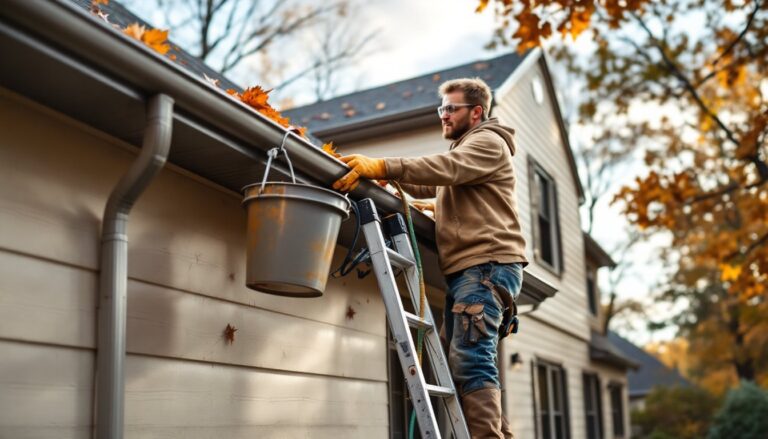
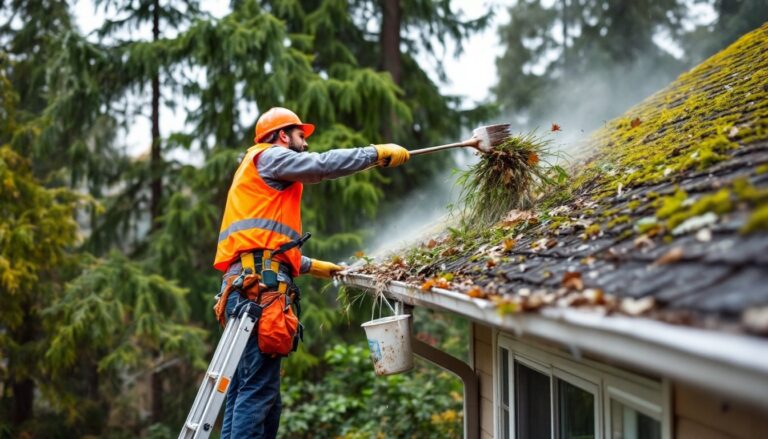
Monthly gutter cleaning and downspout checks during fall and early spring prevent the accumulated debris that makes your gutters labor-intensive in April. Weekly dusting and vacuuming mean less buildup by the time spring arrives. Seasonal rotation of bedding and rotation of closet contents prevents musty smells and reduces the volume of clutter when you’re trying to deep-clean closets and storage areas.
Ventilation matters too. Running bathroom exhaust fans during winter showers and kitchen range hoods while cooking reduces the moisture and grease that settle on walls and ceilings. Better airflow over winter means less spring mildew and grime.
Standardizing your cleaning approach makes seasonal work faster. If you follow essential cleaning techniques consistently, you develop muscle memory and know exactly what products and tools you need. You’re not figuring out the best way to clean grout for the first time in April: you’re applying what you’ve learned all year.
Staying informed about cleaning trends 2026 helps you adopt efficient methods before spring. New tools, products, and approaches can cut hours off your project timeline. Resources like The Spruce and Martha Stewart regularly feature seasonal cleaning guides that often reveal overlooked areas or methods that save time. Even Real Simple publishes organization and cleaning hacks that streamline deep-cleaning work.
Conclusion
Spring cleaning isn’t about a single day or even a single week, it’s a 4–6 week seasonal ritual timed to when your climate, your home’s condition, and the weather align. Most homeowners in northern regions start planning in mid-March and work through May: milder climates shift that window earlier. The key is starting when your home shows obvious signs of needing it, breaking the work into manageable phases, and being honest about what requires professional help versus what you can tackle yourself. Plan ahead, prepare early, and you’ll finish stronger than if you wait until May to panic.