Clogged drains are a fact of life for Jacksonville homeowners, especially given the region’s hard water and subtropical climate. Whether it’s slow-draining bathroom sinks, gurgling toilets, or backed-up kitchen drains, knowing how to handle drain cleaning quickly separates the DIYers from those facing emergency plumber bills. This guide walks you through the most effective drain cleaning methods, common Jacksonville-specific drainage issues, and when it’s time to call in the pros. We’ll keep the jargon simple and the advice practical, no fluff, just solutions that work.
Table of Contents
ToggleKey Takeaways
- Jacksonville drain cleaning requires special attention due to hard water mineral deposits that narrow pipes over time and trap debris.
- Regular preventative drain maintenance—done quarterly or semi-annually—avoids emergency plumber bills and costly sewer line repairs.
- DIY methods like plungers, drain snakes, and baking soda-and-vinegar treatments handle 70–80% of typical household clogs before professional intervention is needed.
- Call a professional drain service when multiple drains back up simultaneously, clogs return within days, or hydro-jetting equipment is required for mineral-scale or root intrusion.
- Simple prevention habits—using drain screens, avoiding grease disposal, and monthly hot-water flushes—stop 90% of bathroom and kitchen clogs from forming.
- Water softeners and modern PVC pipe upgrades provide long-term solutions for Jacksonville homes struggling with chronic hard water problems and aging sewer lines.
Why Jacksonville Homeowners Need Regular Drain Maintenance
Jacksonville’s water quality presents unique challenges for homeowners. The area’s well-documented hard water, mineral-rich groundwater that runs through limestone and clay, deposits scale inside your pipes over time. This buildup narrows the pipe’s interior, slowing water flow and trapping debris. Without regular maintenance, minor clogs turn into major blockages.
Regular drain cleaning isn’t just about fixing problems: it’s preventative medicine for your plumbing system. A clear drain moves water faster, reducing pressure on pipe joints and seals. Routine cleaning also catches developing issues before they escalate into burst pipes or backed-up sewage, repairs that cost thousands and require excavation. Homeowners who clean drains quarterly or semi-annually (depending on usage) avoid most emergency calls. Think of it like changing your car’s oil: a small habit saves enormous headaches down the road.
Common Drain Problems in Jacksonville Homes
Jacksonville drains fail for a few predictable reasons. Hair accumulation clogs bathroom drains fast, especially in homes with multiple occupants. Grease buildup in kitchen drains hardens as it cools, trapping food particles. Outdoor drains clog with leaves, dirt, and root intrusion, particularly problematic in Jacksonville’s sandy soil and abundant vegetation. Storm drain blockages during heavy rainfall (not uncommon here) back sewage into homes.
But Jacksonville’s biggest villain is hard water mineral deposits, which deserve its own spotlight.
Hard Water Buildup and Mineral Deposits
Jacksonville’s hard water contains high concentrations of calcium and magnesium. These minerals precipitate inside pipes, forming a crusty, scale-like coating that narrows the passage for water. Over months or years, this buildup strangles your plumbing. You’ll notice slow drains that don’t improve with a plunger, or water that pools in your shower. The scale also traps hair and grease, compounding blockages.
Softened water systems help prevent future buildup, but they don’t remove existing scale. That requires chemical treatment or mechanical cleaning, topics we’ll cover in the DIY methods section. If your home is on a well rather than municipal water, hard water problems are often worse because treatment is your responsibility alone.
DIY Drain Cleaning Methods That Actually Work
Before you call a plumber, several proven methods can clear minor to moderate clogs. Success depends on identifying what’s blocking the drain and matching the right technique to the problem.
Using Plungers and Natural Remedies
A cup plunger (the standard suction-cup type) works best on sink drains: a flange plunger with the extra rubber ring fits toilet bowls better. The key is creating an airtight seal and generating rapid pressure changes. Fill the sink or tub with 3–4 inches of water, position the plunger to cover the drain completely, and pump vigorously 15–20 times. Break the seal and check if water drains. Repeat if needed. Plungers work on hair clogs and loose debris but fail against mineral-hardened scale or deep grease buildup.
Natural remedies are gentler on old pipes than chemical drain cleaners. Baking soda and vinegar create a fizzing action that can dislodge soft clogs. Pour half a cup of baking soda down the drain, followed by half a cup of white vinegar. Cover the drain with a plug and wait 15–30 minutes, then flush with boiling water. This method works best on fresh, organic clogs (hair, food debris) and won’t damage pipes or seals. For stubborn clogs, repeat once or twice.
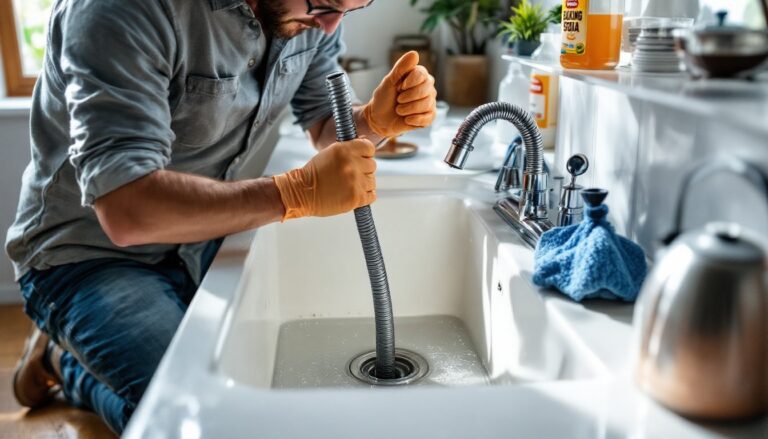
A drain snake or hand auger (a flexible metal coil you feed into the drain) physically breaks apart clogs and pulls debris out. Manual snakes cost $10–30 and work on drains within 5–6 feet of the opening. Electric drain augers are pricier ($100–400) but handle longer runs and tougher blockages. Feed the snake slowly, apply gentle pressure, and twist as you push. When you feel resistance, twist harder or pull back slightly to snag hair or roots. This method requires patience but avoids chemicals altogether.
For kitchen drains clogged with grease, boiling water alone sometimes works. Boil a kettle and pour it slowly down the drain. The heat liquefies cooled grease, letting it wash through. Do this weekly as preventative maintenance, and you’ll avoid most kitchen clogs. If grease is already hardened, combine boiling water with the baking soda-and-vinegar method first.
Always wear gloves and safety glasses when working with drains, even natural remedies. If you’re using a drain snake, keep fingers clear of the opening to avoid pinching. Never mix chemical drain cleaners with vinegar, bleach, or other substances, toxic fumes result.
When to Call a Professional Drain Service
DIY methods handle 70–80% of typical household clogs. But some situations demand professional equipment and expertise.
Call a professional if water backs up into multiple drains simultaneously, this signals a main sewer line blockage, not a single fixture clog. If you’ve snaked the drain and the clog returns within days, roots or structural damage may be present. Tree roots thrive in Jacksonville’s moist soil and are notorious for infiltrating older clay or cast-iron sewer lines. Professionals use video inspection cameras to identify root intrusion, collapsed sections, or offset pipe joints, problems visible only from inside the line.
If your drain hasn’t responded to plunging, snaking, or natural remedies after two attempts, the blockage is either deep, severe, or mineral-scale related. Commercial hydro-jetting equipment shoots high-pressure water (3,000+ PSI) through pipes, scour walls clean, and blast through stubborn clogs that hand tools can’t reach. This method works especially well on Jacksonville’s hard water deposits and grease-hardened lines.
For slow drains affecting your entire home or recurring clogs after recent work, a professional inspection is worth the $150–300 call-out fee. Many drain cleaners offer flat rates for standard clogs and charge hourly for diagnostics. According to HomeAdvisor, drain cleaning in Florida typically runs $150–$300 for a single drain and $200–$400 for main line work, depending on severity and equipment needed. Get a quote before work begins.
You can find vetted drain cleaning professionals through top-rated drain cleaners in Jacksonville, which lists licensed providers with customer reviews. Verify licensing (Florida plumbers require state certification), insurance, and guarantees before hiring.
Preventing Future Drain Issues in Your Jacksonville Home
Prevention is always cheaper than emergency repair. A few habits keep Jacksonville drains flowing freely.
Use drain screens or strainers in all sinks, tubs, and showers. These $3–8 metal or plastic inserts catch hair before it enters pipes. Empty them weekly, this takes 30 seconds and prevents 90% of bathroom clogs.
Never pour grease down kitchen drains. Let cooking oil cool, wipe pans with paper towels, and dispose of grease in the trash. If grease enters the drain, flush it with boiling water immediately. Over time, cooled grease coats pipes and traps food particles, building clogs that require snaking or hydro-jetting.
Run hot water after each use. A 30-second hot-water flush helps dissolve soap residue and keeps pipes clear. For problem drains, monthly baking soda and vinegar treatment maintains flow without chemicals.
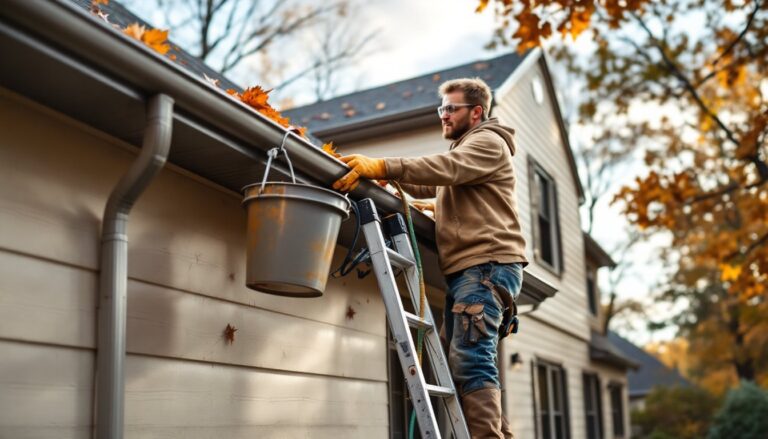
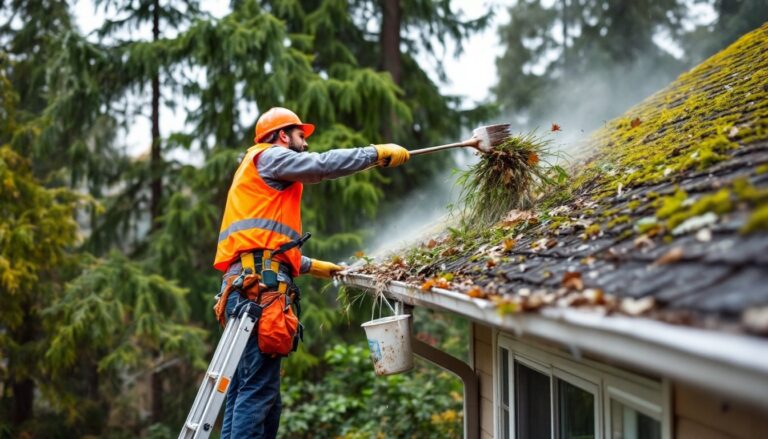
Maintain outdoor drains and gutters. Leaves and debris clog downspouts and splash blocks. Clean gutters quarterly (or after storms), and keep drainage areas around your foundation clear. In Jacksonville’s sandy soil, proper drainage prevents foundation settling and basement water intrusion.
Consider a water softener if you have severe hard water. Whole-house softeners ($1,000–2,500 installed) remove calcium and magnesium before water enters pipes, preventing scale buildup. They require salt refills and maintenance, but homeowners with chronic slow drains often find them worthwhile. Renters can install point-of-use softeners on individual faucets for $200–500.
If you’re planning a renovation or replacing old cast-iron sewer lines, consult home improvement cost guides to budget for upgrades. PVC or ABS plastic pipe (modern standards) resists root intrusion and mineral buildup better than older clay or iron lines, a worthwhile investment for aging homes.
Keep Your Jacksonville Drains Clear
Jacksonville’s hard water and humid climate make regular drain maintenance non-negotiable. Start with prevention, screens, hot water flushes, and grease awareness, then graduate to DIY snaking or natural remedies when clogs appear. Know your limits: main line backups, recurring blockages, and root intrusion belong in a professional’s hands. A $200 hydro-jetting session beats a $2,000 sewer line replacement every time. Keep a drain snake under your sink, baking soda in your pantry, and a reputable plumber’s number in your phone. Most Jacksonville clogs never become emergencies if you act fast.