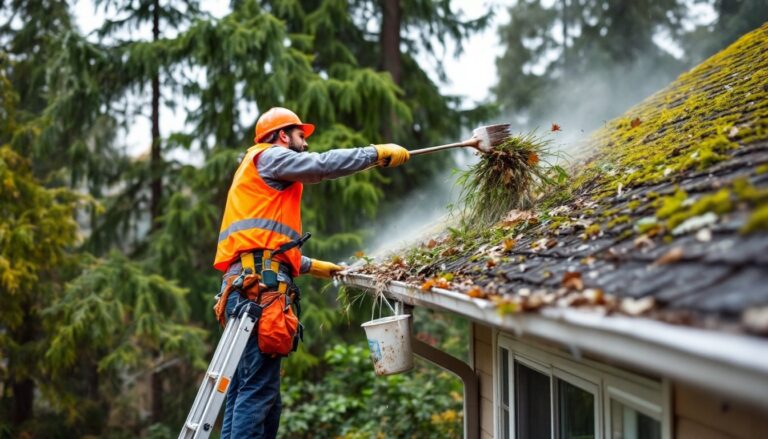
Gutters might not be the most glamorous part of your home, but they’re critical for protecting your foundation, siding, and landscaping from water damage. Clogged or poorly maintained gutters can cost you thousands in repairs, fast. Whether you’re tackling gutter cleaning yourself or deciding when to call in professionals like Ned Stevens Gutter Cleaning, understanding the basics puts you in control. This guide covers everything you need to know about keeping your gutters in top shape, from materials and safety to troubleshooting common problems.
Table of Contents
ToggleKey Takeaways
- Ned’s gutter cleaning prevents thousands in water damage by directing rainwater away from your foundation, siding, and roof—essential maintenance that should happen at least twice yearly.
- Regular gutter cleaning extends your gutter system’s lifespan by 5–10 years by preventing moisture-related corrosion and structural stress on fasteners.
- Clean gutters yourself safely by using a sturdy ladder, gutter scoop, bucket, and proper safety gear—the process takes 2–3 hours for 100–150 linear feet and saves $150–300 versus professional services.
- Call a professional if your home has multiple stories, signs of fascia rot, or gutters show separation from the fascia, since professionals identify hairline cracks and improper slope that DIY cleaning might miss.
- Installing mesh gutter guards reduces cleaning frequency by 50–75%, making them a smart investment at $8–15 per linear foot if you’re already performing maintenance.
What Is Ned’s Gutter Cleaning and Why It Matters
Gutter cleaning isn’t complicated, it’s the removal of leaves, debris, and sediment that accumulate in your gutter system over time. Ned’s Gutter Cleaning refers to professional or thorough DIY maintenance that treats gutters as part of a whole-home protection strategy, not just a seasonal chore.
Why does this matter? Gutters direct water away from your roof, foundation, and walls. When they clog, water pools and either overflows onto your siding or backs up under your roofline, seeping into fascia, soffit, and even attic framing. In freeze-thaw climates like much of Colorado, standing water becomes ice dams that can tear gutters right off the house and create leak pathways that won’t show up until you’ve got drywall damage inside.
Clean gutters also extend the life of your gutter system by 5-10 years. Debris traps moisture against aluminum or steel, causing corrosion. Regular maintenance keeps water flowing freely and prevents structural stress on fasteners and joints. Most homeowners should clean gutters at least twice yearly, fall after leaves drop and spring to clear winter buildup. In heavily wooded areas, four cleanings a year isn’t overkill.
Step-by-Step Guide to Cleaning Your Gutters Like a Pro
Preparing Your Materials and Safety Equipment
Before you climb a ladder, gather your supplies. You’ll need a sturdy, 20-foot or longer extension ladder (Werner and Louisville are solid choices for residential work), a ladder stabilizer bar to keep the ladder from marring the fascia, and work gloves, leather or rubber, depending on preference. A headlamp or hands-free flashlight is invaluable for spotting debris in shaded gutters.
For the actual cleaning, bring a 5-gallon bucket attached to the ladder with a rope or carabiner, a gutter scoop (looks like a small spade, costs $5-15), and a hose with a spray nozzle. Some pros prefer a wet/dry shop vac with a gutter attachment for near-dry cleanup, especially if gutters are heavily silted. Safety glasses, work gloves, and a dust mask are non-negotiable, decomposing leaf debris and bird droppings can harbor bacteria and irritants.
Check your ladder for damage before use. Look for cracks in rails, bent steps, and secure locking mechanisms on extension models. A damaged ladder isn’t worth the hospital bill.
The Cleaning Process From Start to Finish
1. Position Your Ladder and Stabilize It
Set the ladder about 3 feet from the corner you’re starting at and use the ladder stabilizer (a metal bar that spans across the gutter and fascia, spreading load) to keep it from rolling or slipping. Never lean the ladder against the gutter itself, the gutter can’t support the side load. Ensure the ladder sits on level ground: use shims or a ladder leveler if the ground slopes.
2. Scoop Out Large Debris
Starting near the downspout, use the gutter scoop to pull out leaves, twigs, and packed sediment. Work toward the far end of the section, dropping debris into the bucket. This prevents pushing material into the downspout, which would clog it. You’ll feel resistance where piles have compacted, don’t rush. Breaking up stubborn clumps by hand (with gloves) is faster than fighting them with a scoop.
3. Flush the Gutter and Downspout
Once the large debris is out, rinse the gutter with the hose. Start at the high end and work toward the downspout, watching for proper flow. Water should move steadily without pooling. If it pools, the gutter sags or the downspout is clogged.
Test the downspout by running water and confirming flow at the base. If water doesn’t exit freely, the downspout is blocked. Disconnect the downspout from the elbow (usually two simple bolts) and run water backward through it with a plumbing snake or hose on reverse flush. Stubborn clogs may need a plumber’s auger.
4. Check Fasteners and Seams
While you’re working, spot-check gutter fasteners (usually galvanized spikes or brackets every 24 inches). If a spike pulls out easily or a bracket is loose, tighten or replace it. Water seeks any weak spot, so a loose fastener today becomes a leak tomorrow.
5. Install Gutter Guards (Optional but Smart)
If you’re already up the ladder, consider adding or upgrading gutter guards or screens. They reduce cleaning frequency by 50-75%. Avoid cheap solid covers that trap moss and algae: instead, choose mesh or perforated designs that let water through but keep debris out. Installation takes another hour per 100 linear feet and costs $8-15 per linear foot.
Common Gutter Problems and How to Prevent Them
Sagging Gutters: Gutters sag when fasteners pull loose or when too much weight (debris, ice, standing water) stresses them. Prevention is straightforward: clean twice yearly and don’t let gutters stay clogged. If a gutter sags noticeably (more than 1/4 inch over 10 feet), the fasteners need replacement or the entire section may need rehanging. This is where a professional makes sense, resetting 30+ fasteners by hand while on a ladder is tedious and error-prone.
Downspout Clogs and Pooling: A downspout that doesn’t drain freely defeats the purpose of gutters. If you spot pooling water in a section, trace it to the downspout, nine times out of ten, the clog is there. Prevention: flush downspouts annually and consider installing a downspout screen to catch larger debris before it enters the pipe.
Rust and Corrosion: Galvanized steel gutters last 15-20 years: aluminum, 20-30. Rust spots mean the protective coating has failed, usually from water sitting in the gutter year-round. Keep gutters clean and make sure they slope slightly toward downspouts (1/8 inch per 10 feet is standard). A sloped, clean gutter dries out, resisting rust.
Ice Dams: In freeze-thaw climates, water backed up behind ice can seep under shingles. While ice dams are partly a roof insulation issue, keeping gutters clean prevents the standing water that starts them. A gutter without debris won’t trap water that later freezes.
Vegetation Growth: Algae and moss grow in gutters, especially on the north-facing side. Shade and moisture create the perfect environment. Installation of copper flashing or zinc strips along the gutter edge can discourage algae, though effectiveness is debated. Regular cleaning is the proven fix.
When to Call a Professional vs. DIY
DIY works if you’re comfortable on a ladder, your gutters are straightforward (standard K-style, single-story or one-story accessible section), and there’s no major damage. A healthy homeowner with basic tools can clean 100-150 linear feet in 2-3 hours. You’ll save $150-300 compared to hiring out.
Call a professional if your home has two or more stories, gutters show signs of separation from the fascia, downspouts are buried or hard to access, or you have significant fascia rot (soft wood that crumbles when poked). Professionals can also spot damage you’d miss, hairline cracks in seams, corroded fasteners, or improper slope, and address it before it becomes costly.
Customer reviews and ratings for services like Ned Stevens Gutter Cleaning and General Contracting often highlight how professionals identify problems during cleaning. Typical professional cleaning costs $150-400 depending on home size and debris load, plus $100-300 if repairs are needed.
Cost and timeline: If you DIY and need a new ladder, gutter scoop, and gloves, expect to spend $80-150 upfront (items you’ll reuse for years). Professional services run $200-500 per cleaning. Weigh the labor against the cost, if you have back issues, vertigo, or a three-story home, the money is well spent. Platforms like HomeAdvisor let you compare local pricing and contractor reviews, so you’re not guessing on costs. For seasonal maintenance checklists and additional homeowner guidance, Today’s Homeowner offers clear walkthroughs on what to inspect and when.
Conclusion
Clean gutters are one of the highest-return home maintenance tasks you can do. Whether you tackle it yourself or hire a professional, the investment, in time or money, pays dividends by protecting your foundation, roofing, and siding. Start with a spring and fall cleaning schedule, invest in a quality ladder and basic tools, and don’t skimp on safety gear. Gutters aren’t glamorous, but they’re essential. Your home’s structural health depends on it.